What We Learned

What did we learn and what stands out from implementing this original and innovative approach for the design and management of MPAs

A Shared Vision

Agreed from the outset

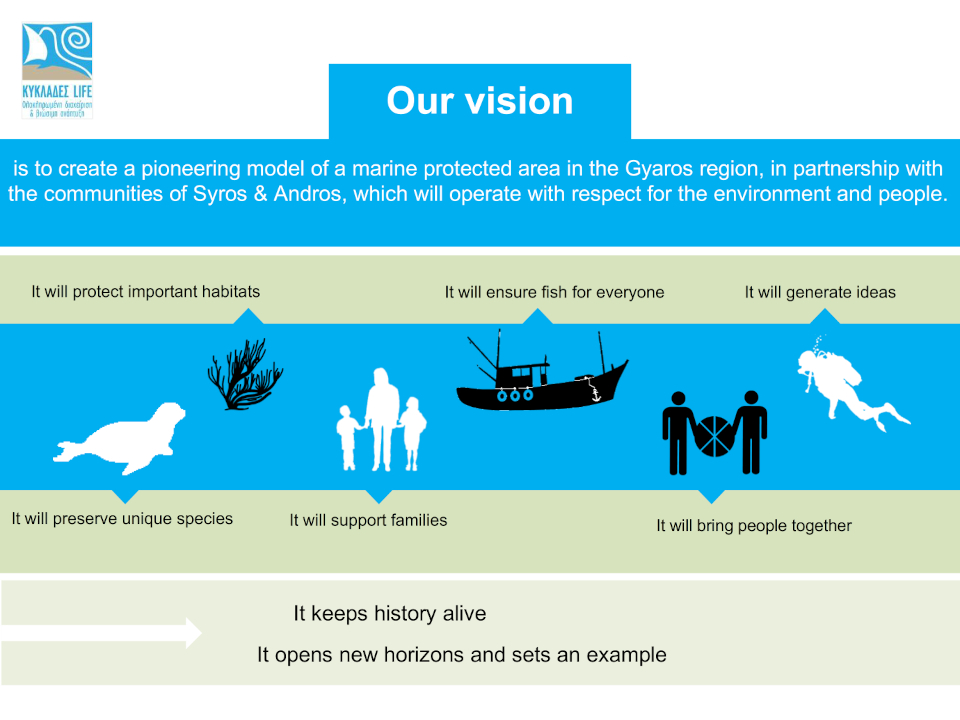
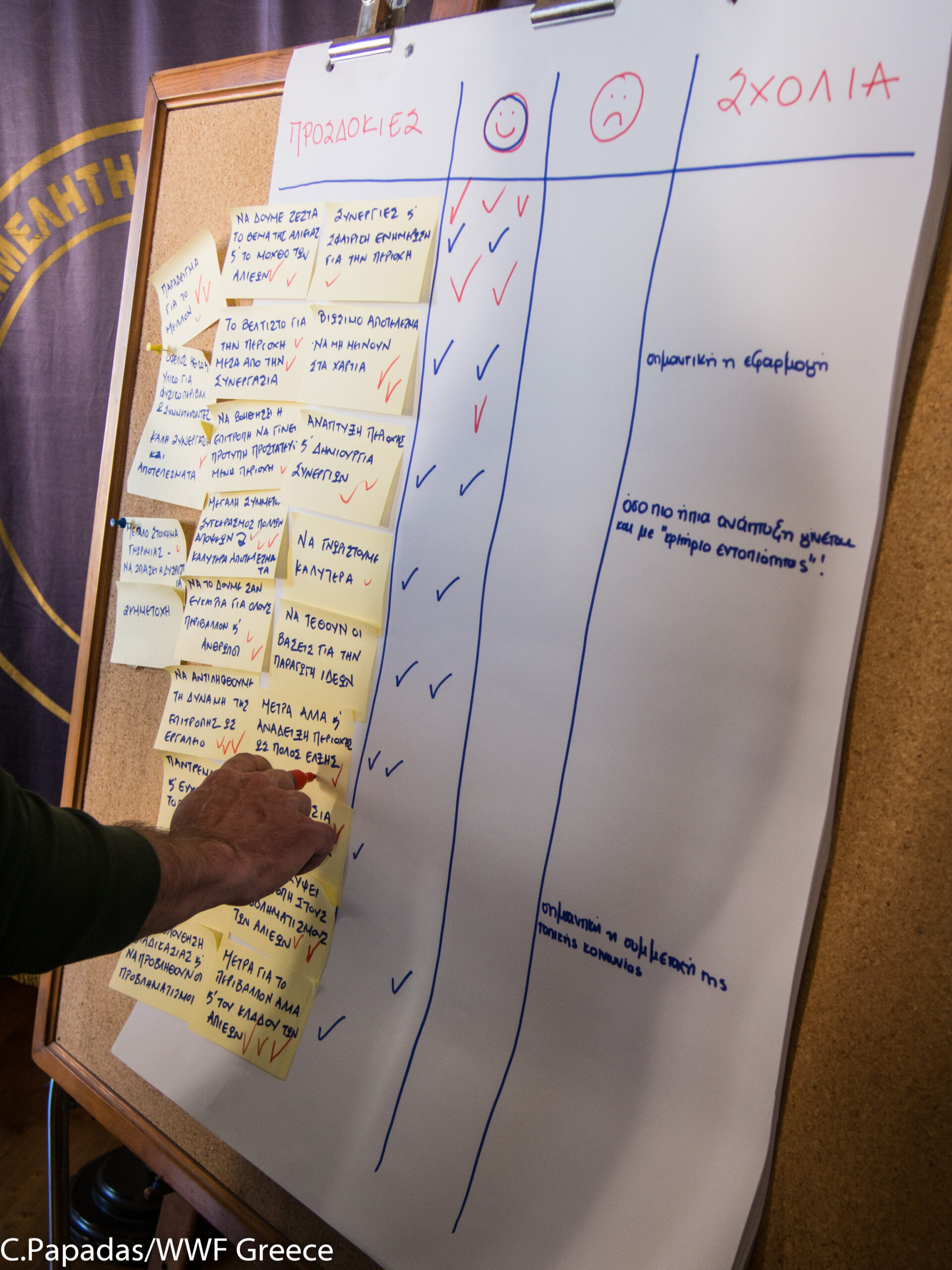
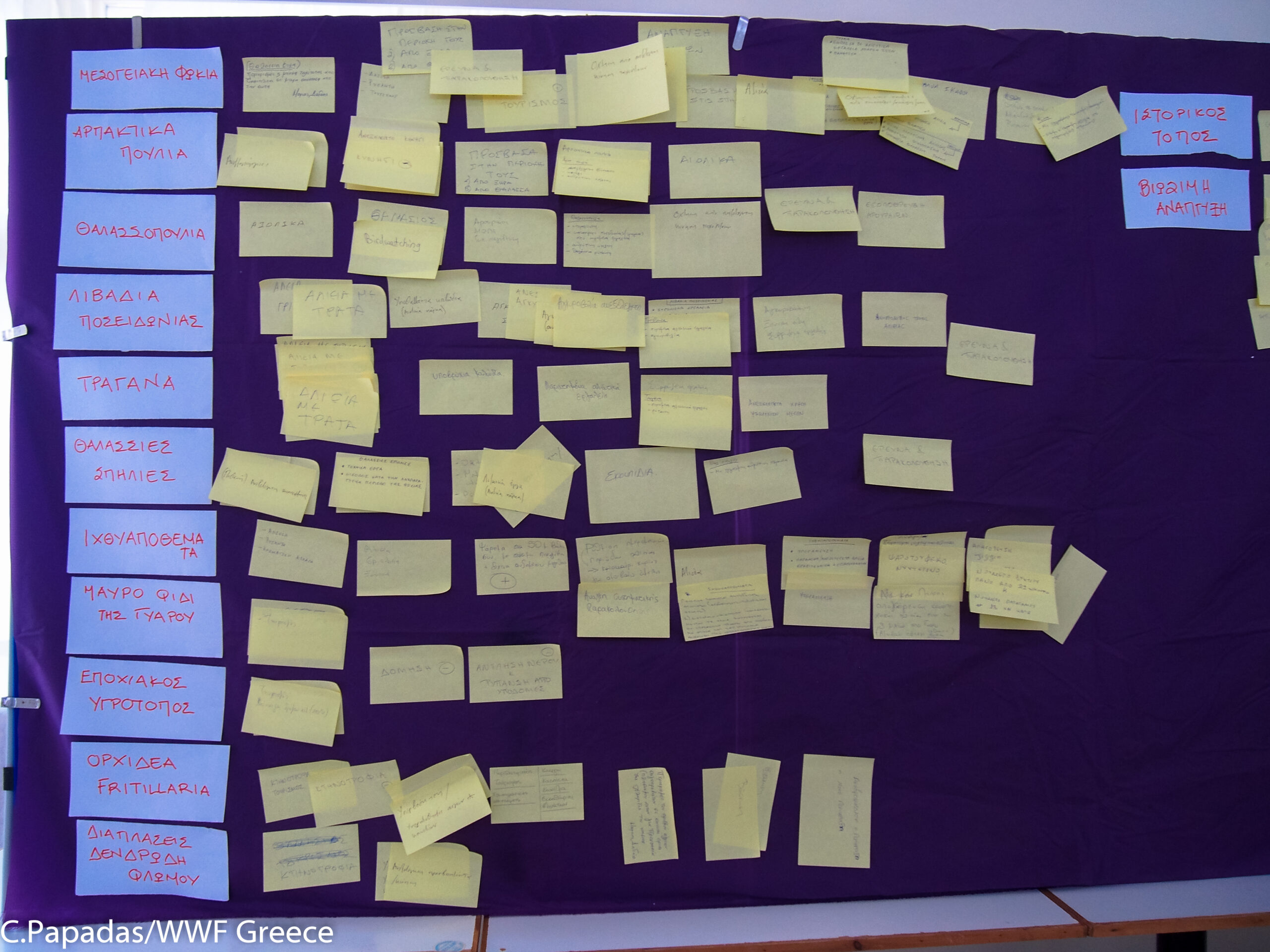
There are many factors that contributed to the successful function of the Co-Management Committee. However, one of the most significant factors worth mentioning, as it played a decisive role throughout the Committee’s work, was the formulation, at the Committee’s first meeting, of a shared vision for the Gyaros area, outlining how all the members and stakholders involved would like the area to be in years’ time: as a model and fully functional Marine Protected Area. Despite the initial awkwardness and some difficulty in communication amongst the Committee members during the first meeting, an effort was made to formulate this vision, which would express everyone’s shared expectations for the future. The effort was successful and resulted in the following shared vision.

This shared vision was frequently revisited during the Committee’s meetings and served as a point of reference and an important tool for all participants to maintain the spirit of cooperation and remain committed throughout the process to achieving the goal of creating a model MPA in Gyaros.

A ‘bottom-up’ approach

Petros Lyberakis, the representative of the Natural History Museum of Crete in the Committee, talks about his unique experience of the ‘bottom-up’ approach in the design of the Gyaros MPA


Contents

The Gyaros Co-management Committee

A forum for participation, consultation and consensus

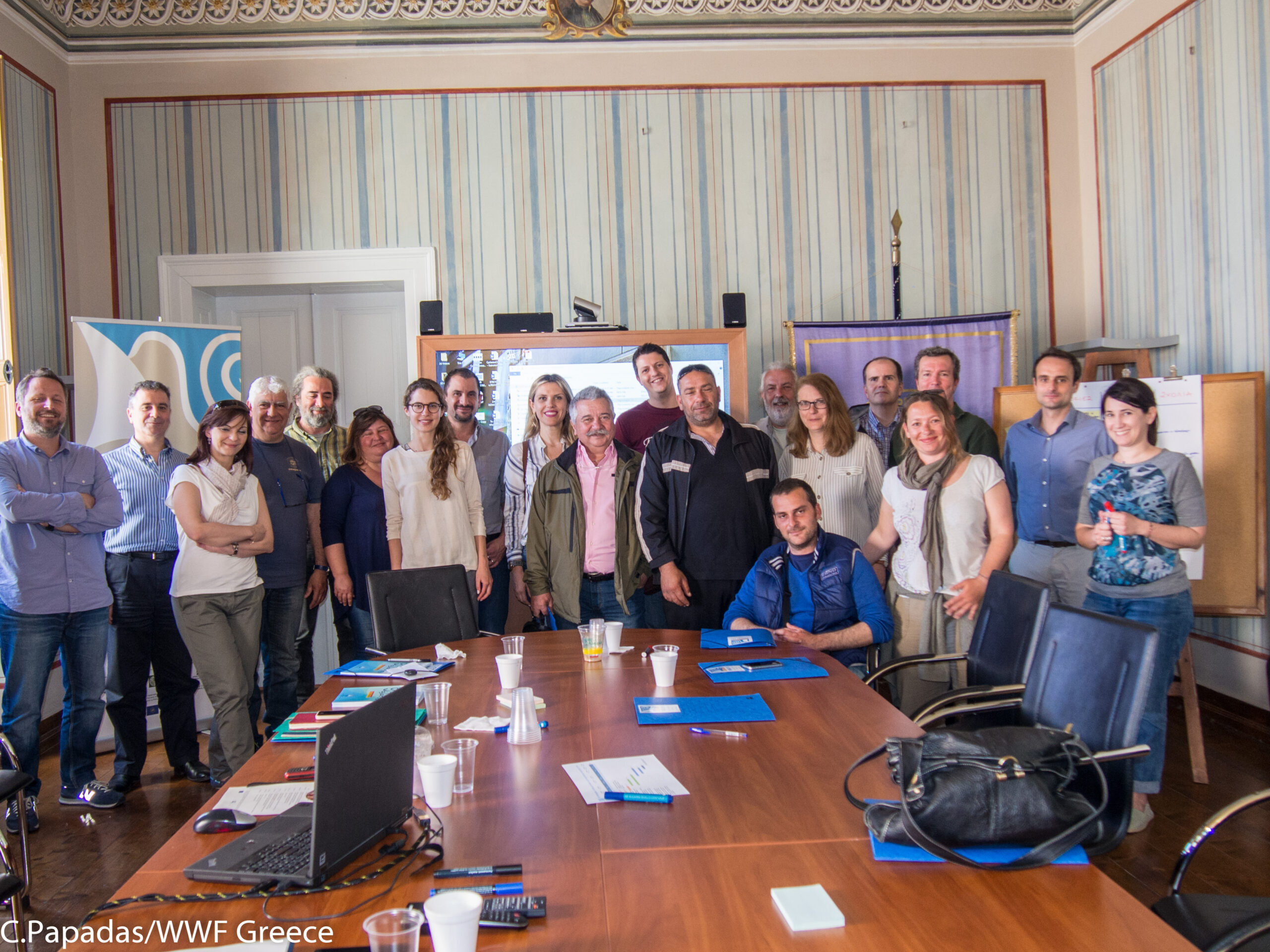
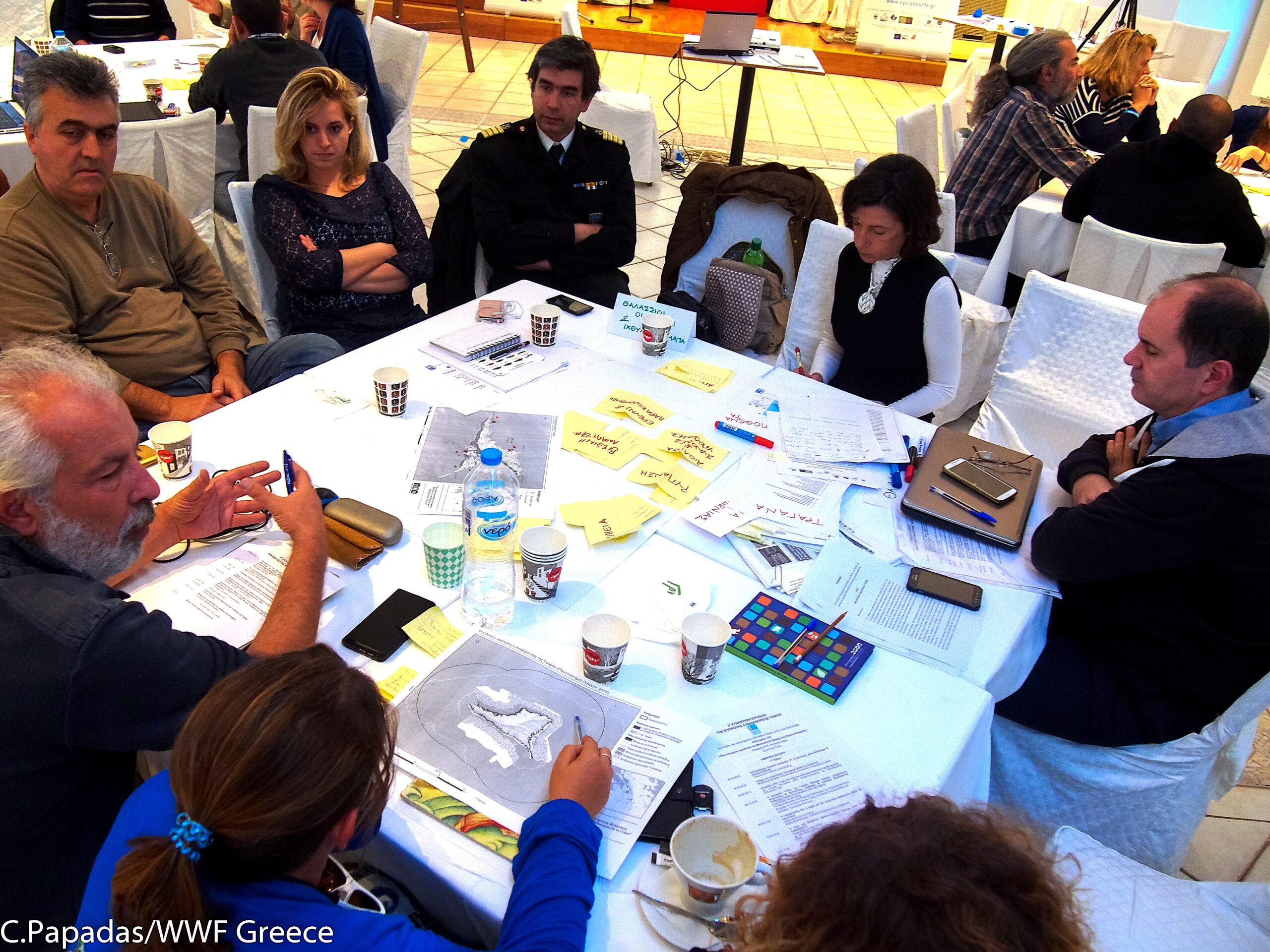
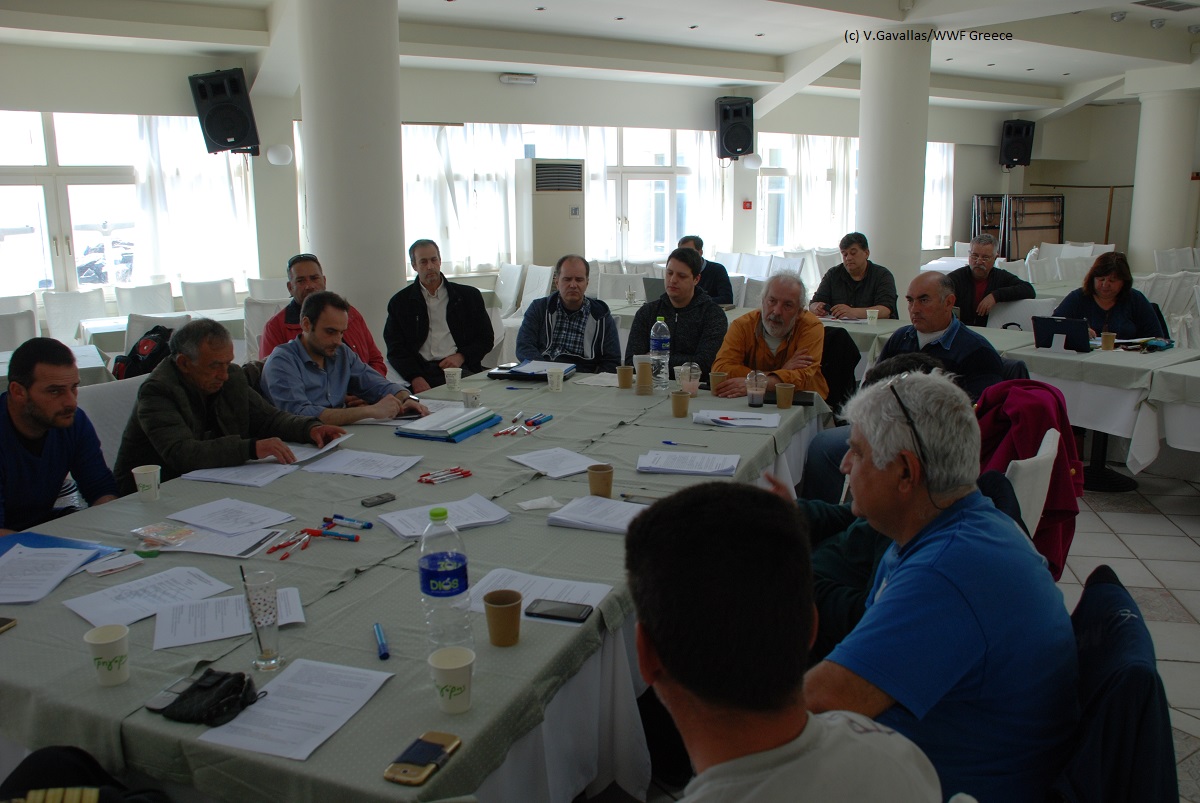
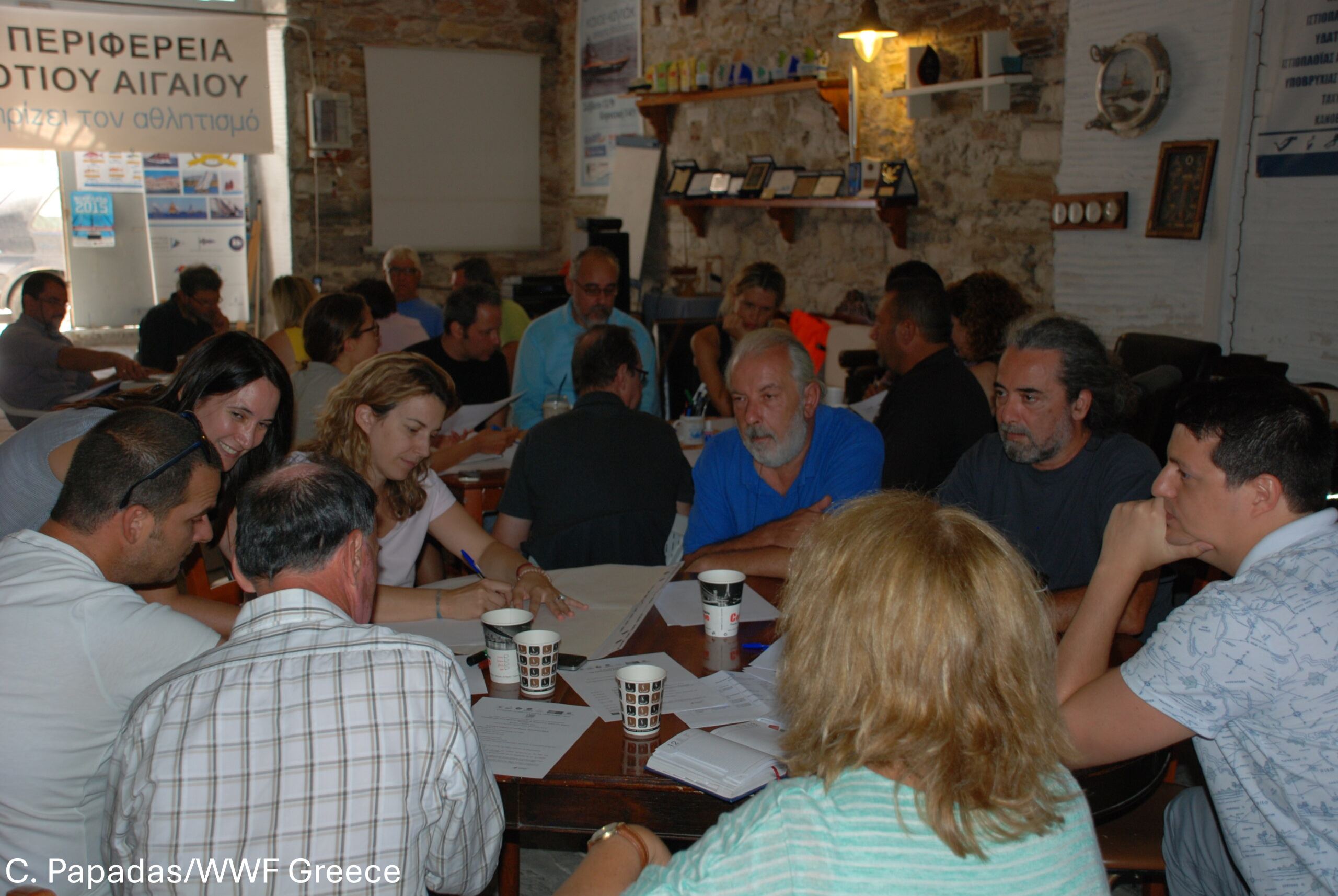
Representatives from 15 different stakeholders participated voluntarily in the Gyaros Co-management Committee, giving this body a pivotal role in the design of the Gyaros MPA. The social and economic analysis of the local communities helped us identify the organisations (institutional, private and public) directly involved with the wider Gyaros area. The Committee comprised of 15 representatives, with the aim of ensuring full representation of the key central competent authorities as well as local community stakeholders from Andros and Syros, such as local municipalities, professional fishermen and representatives of other professional sectors.

The number of participants was determined primarily on the basis of the feasibility of managing a group of this size, as well as the resources available within the project budget.

The decisive criterion for selecting these stakeholders, from the total of approximately 100 that had initially been identified, was the inclusion of those directly involved, with a high degree of influence and a high degree of impact. That is to say, national competent authorities with direct responsibility for the establishment and management of the MPA, as well as the Gyaros Historical Site; local government authorities with direct involvement or responsibility for the Gyaros area; current and future users of the area, and research institutions and environmental organisations with a direct interest in the conservation of the area’s biodiversity.

The selection of stakeholders was carried out in such a way as to ensure a balance amongst them, based on their different characteristics, tendencies, interests and concerns, and in particular with regard to:

(a) whether they are public or private bodies;

(b) whether they are central authorities/services and bodies with a national scope, as opposed to bodies with a regional and/or local scope; and

(c) whether they are bodies with an environmental or development focus.

These choices ensured that the composition of participants was representative relative to the Gyaros area, whilst also safeguarding the credibility of the project, so that the process and its outcome would not be characterised as biased in one direction or another.

Representation and participation of stakeholders in the Co-management Committee

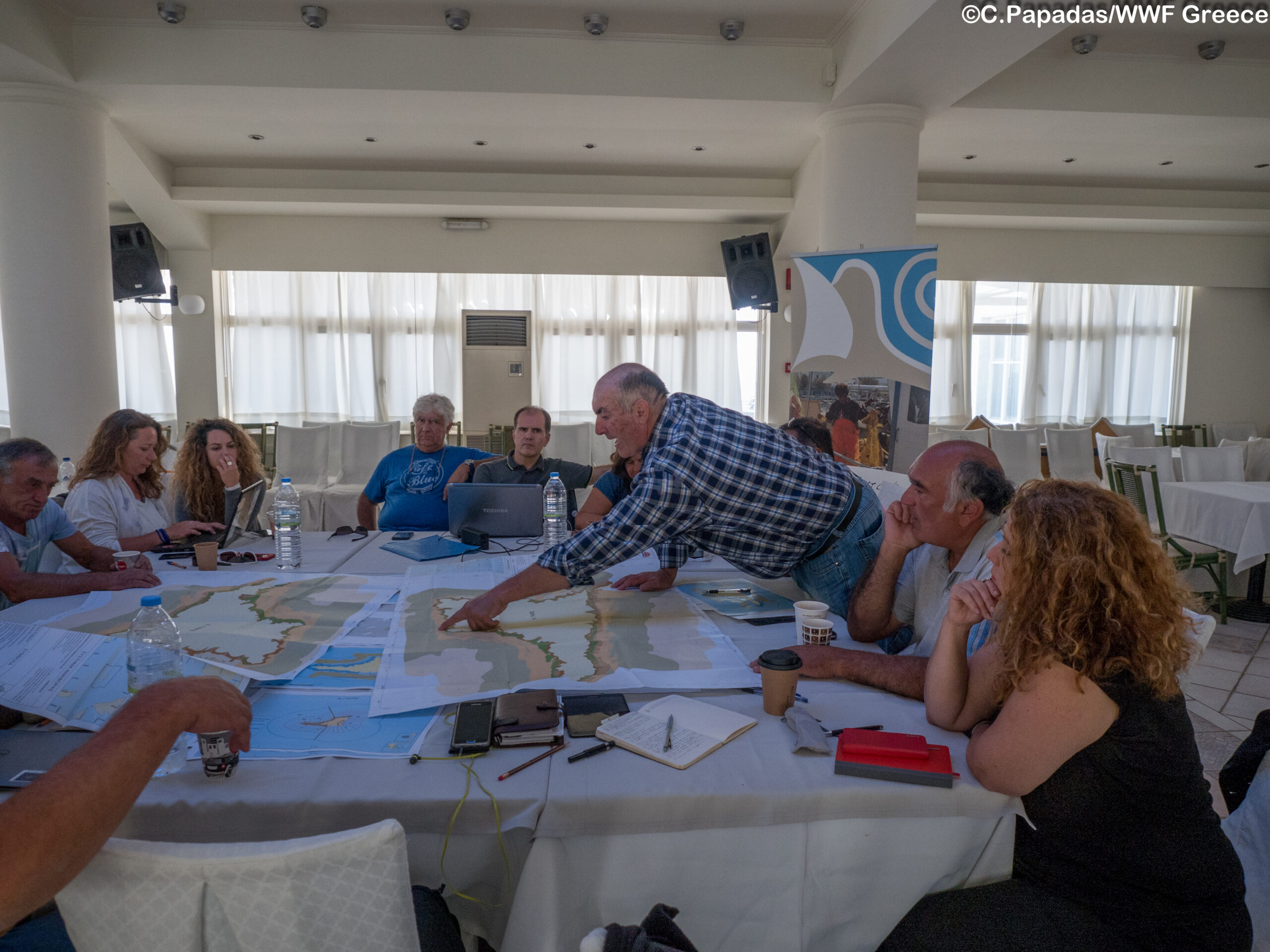
The key role of this innovative consultation framework was the -jointly- design of proposals for the zoning and conservation measures for the new MPA and to agree on a co-management plan for the area, to be included in the final draft of the Special Environmental Study to be submitted to the Ministry of the Environment, Energy and Climate Change, so that it could proceed, in accordance with national legislation, with the formal establishment of the new MPA.

The ultimate goal was for the Co-management Committee to act as the main managing body for the MPA, implementing, monitoring and evaluating the agreed co-management plan.

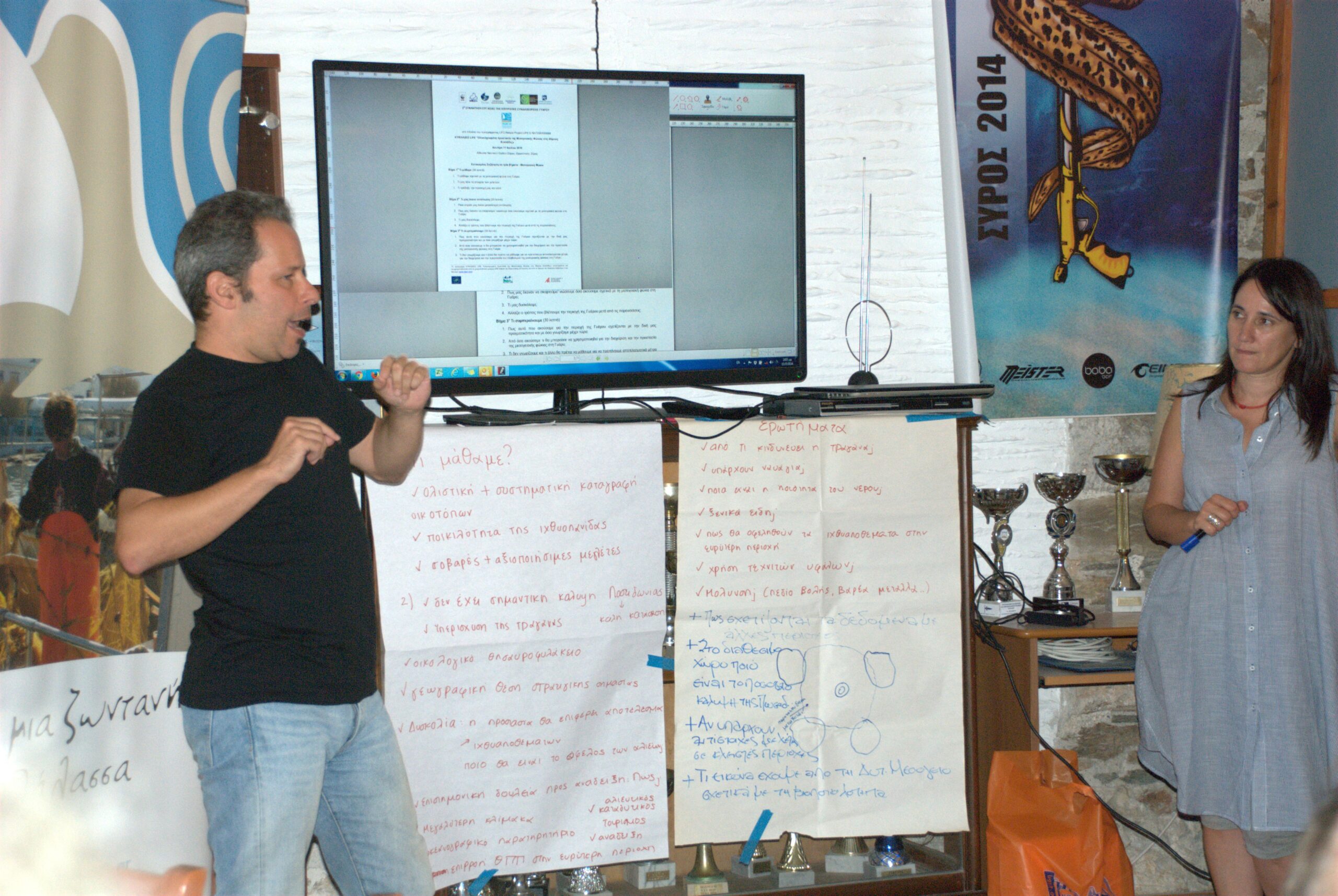
Magdalene Theochari, the Committee’s external facilitator, discusses the value and challenges of stakeholder participation

The choice of direct and structured consultation and agreement between stakeholders, authorities and other groups directly involved with the Gyaros area, was deemed essential to ensure that the proposals and subsequent decisions taken are feasible and effective, leading to the harmonious use of marine resources and services, ensuring the protection and conservation of the marine environment and contributing to the sustainable development of the neighbouring local communities.

Stakeholders participating in the Co-management Committee

A difficult choice

Despite the diligence taken in the final selection of participating bodies, particularly with regard to the representativeness of the participants, there were, along the way, some stakeholders that complained for not being included in the Gyaros Co-management Committee. The most notable examples were the complaints lodged by the Syros Hunting Association, the Syros Amateur Fishermen’s Association and the Kythnos Professional Fishers’ Association. In all cases, the Project Team contacted the organisations and explained the rationale behind the selection of participants.

In the first two cases, the Project Team argued for the need to limit the number of participants and explained that priority was given to users for whom the creation of an MPA would have a direct impact on their profession and livelihoods, rather than to users engaged in occasional recreational activities. Furthermore, we explained that they could convey their interests and views to the representatives of Syros Municipality, who would, in any case, represent the whole of Syros society.

The case of the professional fishers of Kythnos carried greater weight, as they claimed to have a greater stake in Gyaros, since they fish in the area more frequently than the fishers from the neighbouring islands of Syros and Andros, who would be taking part in the Committee. In this instance, in order not to upset the balance in the Committee’s composition, the Project Team proposed that the official participation of the two fisheries organisations be maintained, but that the three fisheries associations should collaborate and be jointly represented on the Committee, whilst the fishers of Kythnos could also participate and follow the proceedings as observers.

External Facilitator

An innovative and pivotal decision for the Project Team was to engage an external specialist in the field of participatory process management to act as an independent facilitator, with the aim of contributing to this specific project in a number of ways, such as:

  • Proposing processes, tools and techniques that facilitate the effective implementation of participatory processes.
  • Advising on how to fully utilise the potential and capabilities of the working groups.
  • Attend Committee meetings to facilitate its work and ensure the equal participation of all.
  • Help resolve conflicts.
  • Ensure that objectives are achieved within the timeframe of the participatory process.
  • Develop and implement a participatory evaluation process for the functioning of the Co-Management Committee.

The external consultant was selected following extensive market research, given that there were very few experienced specialists in this particular field in Greece.

Basic Rules for Participatory Processes

Magdalene Theochari, the Committee’s external facilitator, discusses the rules governing participatory procedures

Although not originally envisaged, the Project Team’s decision to involve an external expert facilitator proved to be extremely effective, as it made a critical contribution and facilitated the functioning of the Co-Management Committee. Acting as a neutral and intermediary link between the Project Team and the stakeholders, her role was pivotal in creating the appropriate framework for cooperation and in maintaining the optimal conditions for effective and meaningful consultation amongst the members. Her role was also decisive in managing disagreements and conflicts; at the same time, by providing consistent information and feedback, she contributed to the smooth function of the Co-Management Committee.

Useful lessons learnt from the implementation of participatory processes for the Gyaros MPA

Magdalene Theochari, the Committee’s external facilitator, presents three key lessons learned

Adjustments to the Timetable

With the external facilitator joining the Project Team, the initial planning had to be revised. Thanks to her contribution, it became clear that the necessary and appropriate procedures to effectively address such a complex issue in a participatory manner would require more Committee meetings. Furthermore, all meetings should be held in person, and longer intervals should be allowed between them to ensure that participants have the necessary time to process the information. As a result, the Committee’s foreseen duration of operation was extended by a further four months.

Operating principles and procedures of the Co-management Committee


Magdalene Theochari, the Committee’s external facilitator, summarises the principles of participatory processes and discusses the procedures followed in the Gyaros Co-Management Committee

Key lessons learned – The importance of time

Konstantinos Liarikos, representative for WWF Greece in the Committee, outlines the main lessons learnt from the experience of the participatory process for the Gyaros MPA

Consensus in Decision-Making

The decisive role of the Committee’s Rules of Procedure

A crucial and defining provision of the Rules of Procedure of the Co-Management Committee was the requirement for decisions to be taken unanimously. The rationale for taking decisions by unanimity rather than by majority – as might be expected – was that unanimous decisions would ensure that a mutually acceptable solution could be found on all issues, even those on which there were divergent or conflicting views. Conversely, if a protective measure were decided by a majority, but was not acceptable to the minority as the measure directly affected them, it would be particularly difficult for it to be accepted and implemented in practice at a later stage. Furthermore, the Rules of Procedure set out every additional detail regarding the procedure for convening the Commission’s meetings, communication between members, and the publication of its minutes and decisions.

The requirement for unanimity proved crucial, as it ensured that all issues, even those that were contentious, were addressed through extensive dialogue and alternative proposals, until a compromise solution, acceptable to all participants, was reached.

Preparation and detailed planning of each meeting

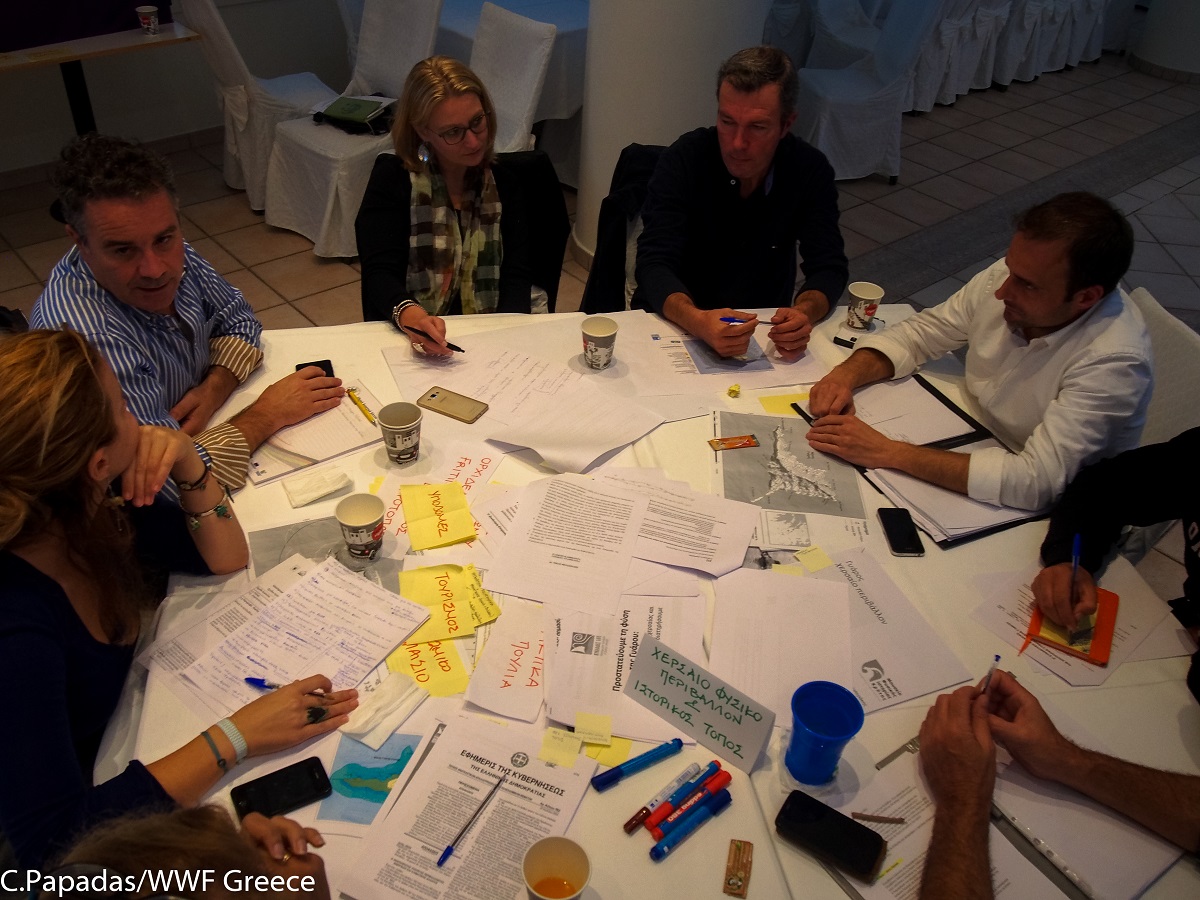
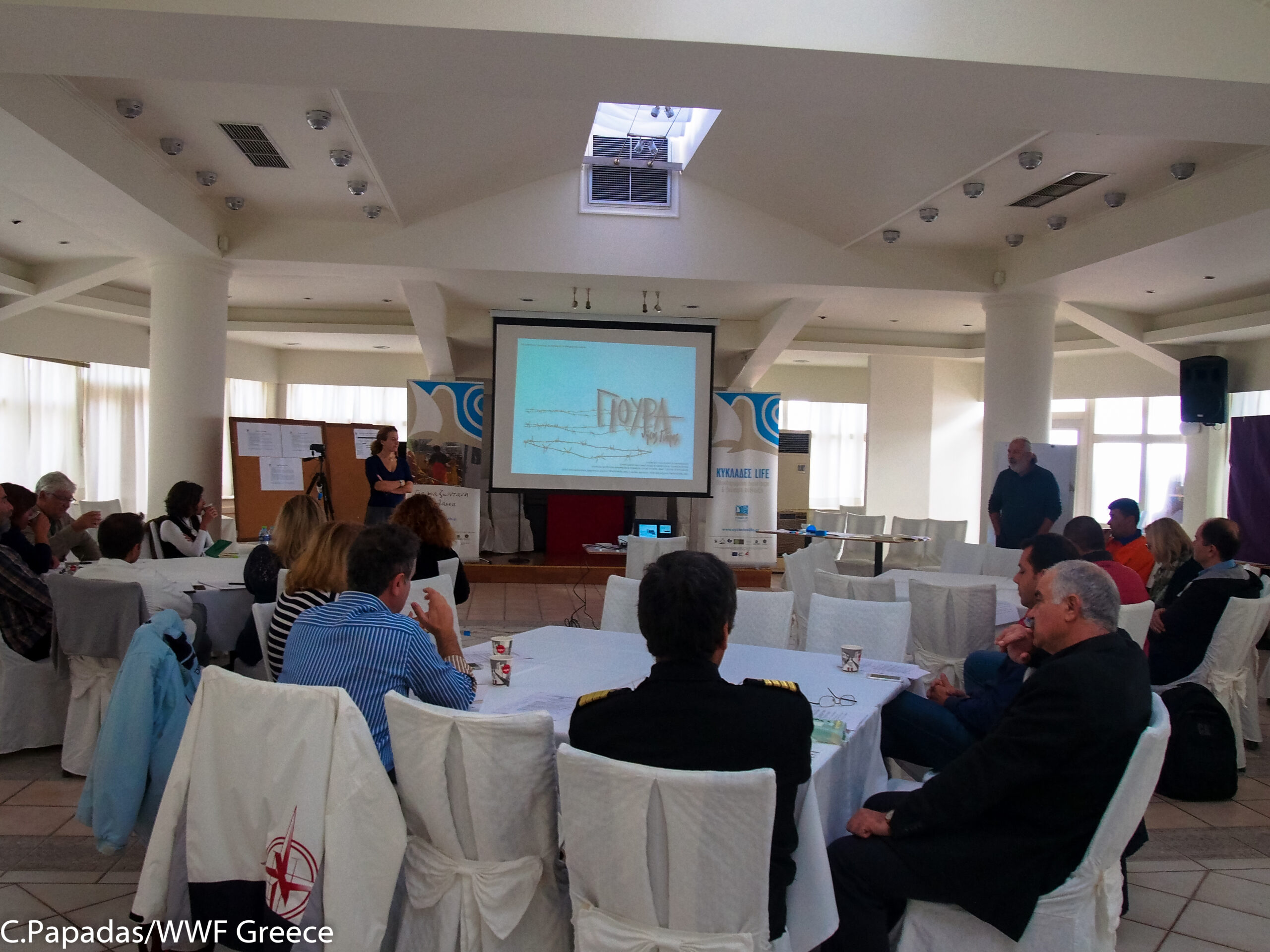
The Project Team invested a significant amount of time and effort in planning and organising every detail relating to the practical and administrative aspects of each meeting. Given that each meeting was held in Syros and was attended by 30–40 people from various parts of the country (Project Team, regular and alternate representatives of the 15 bodies, special guests, observers), the organisational matters (travel, accommodation, group dinners, catering for the meetings, breaks, etc.) were particularly demanding and had to be addressed promptly and efficiently so that the meeting could take place as scheduled, without any problems or loss of attendance among the Committee members.

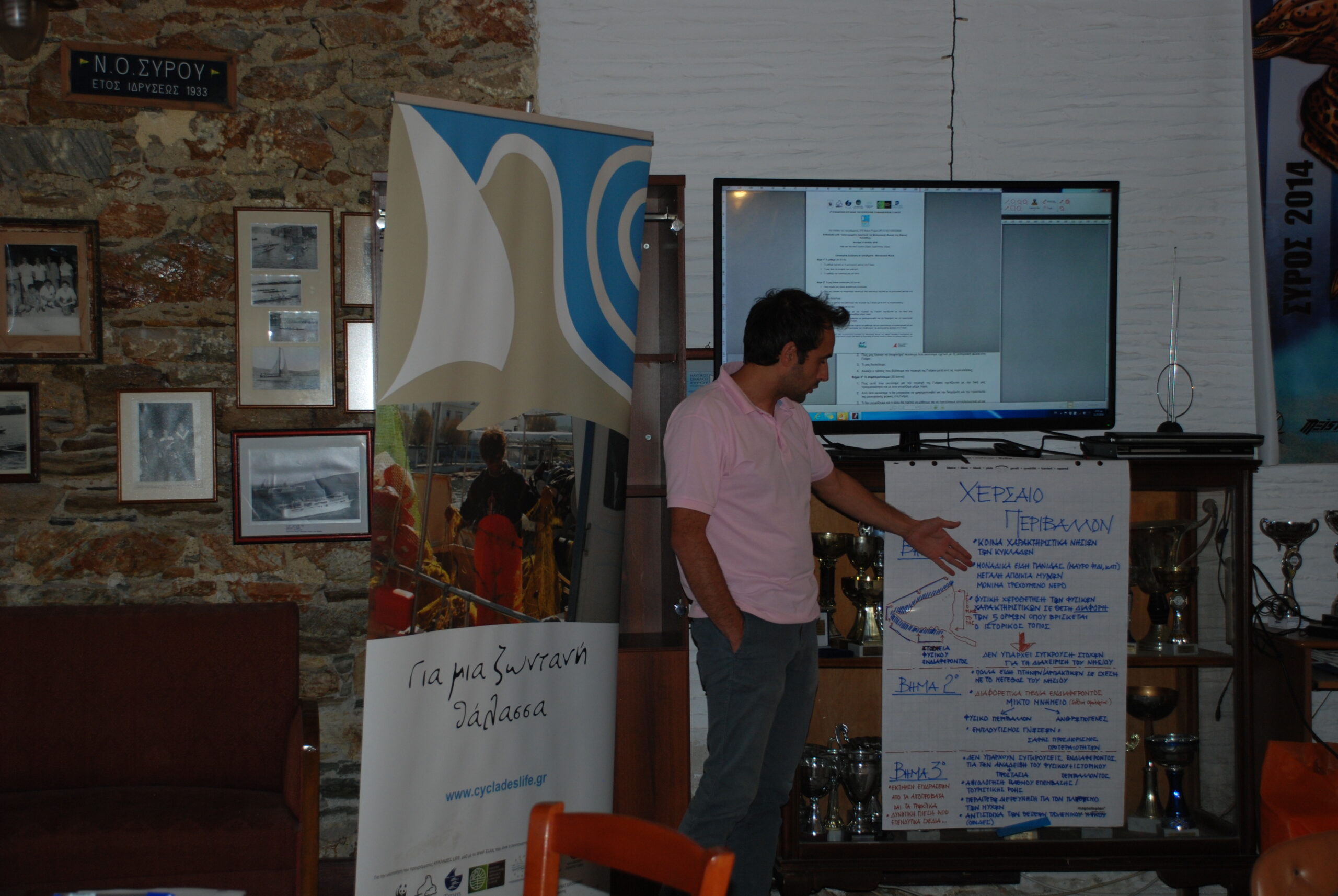
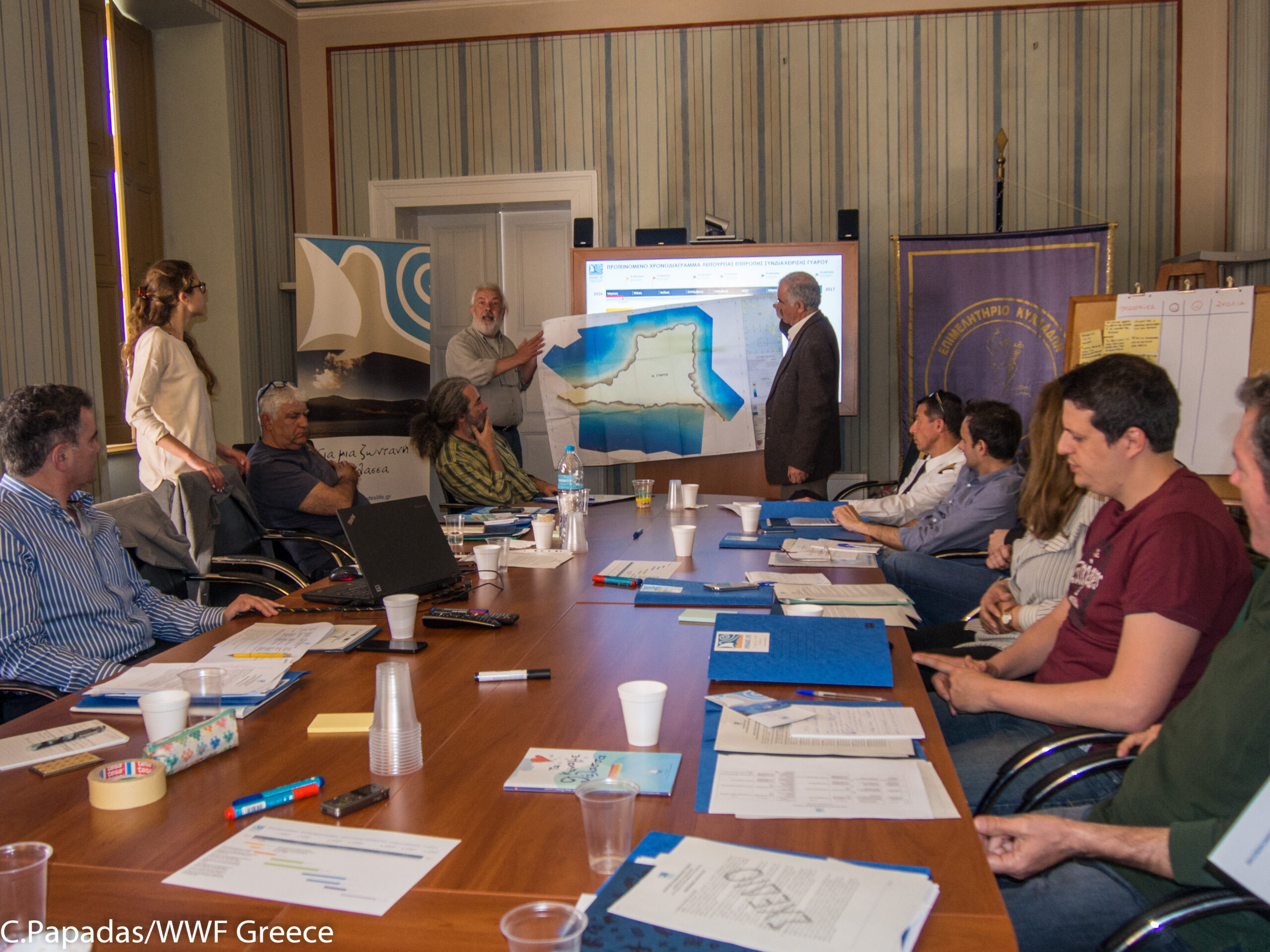
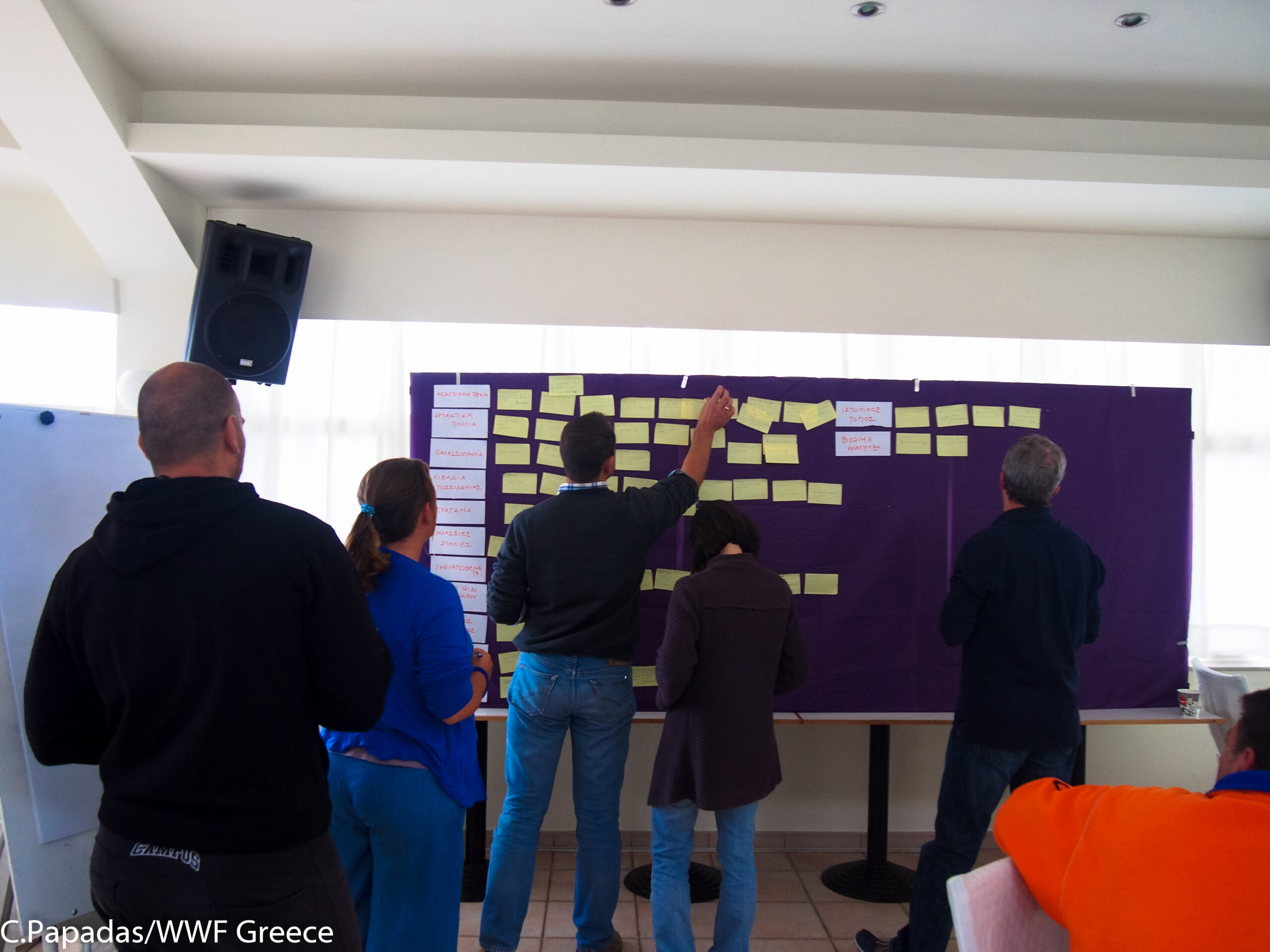
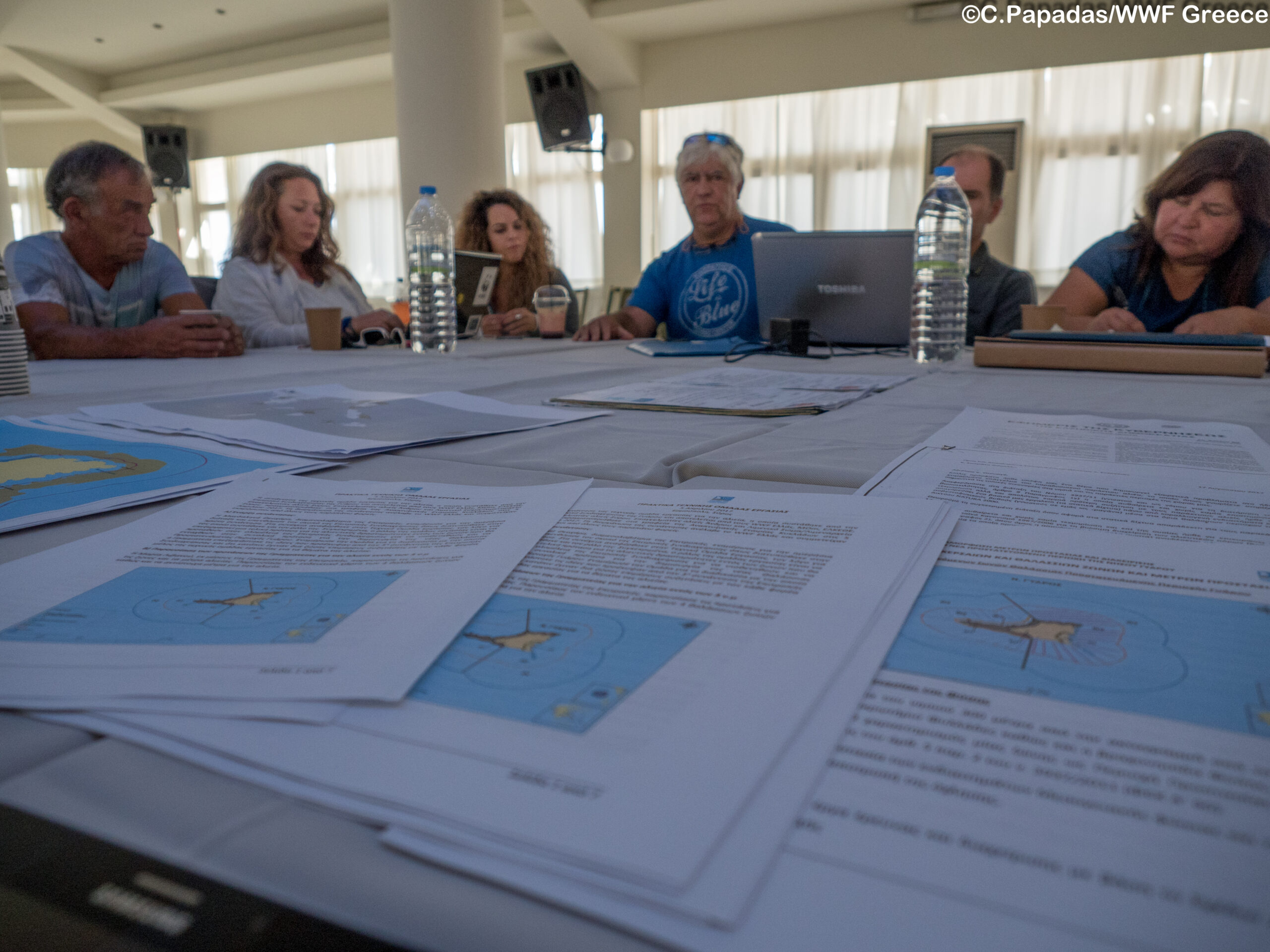
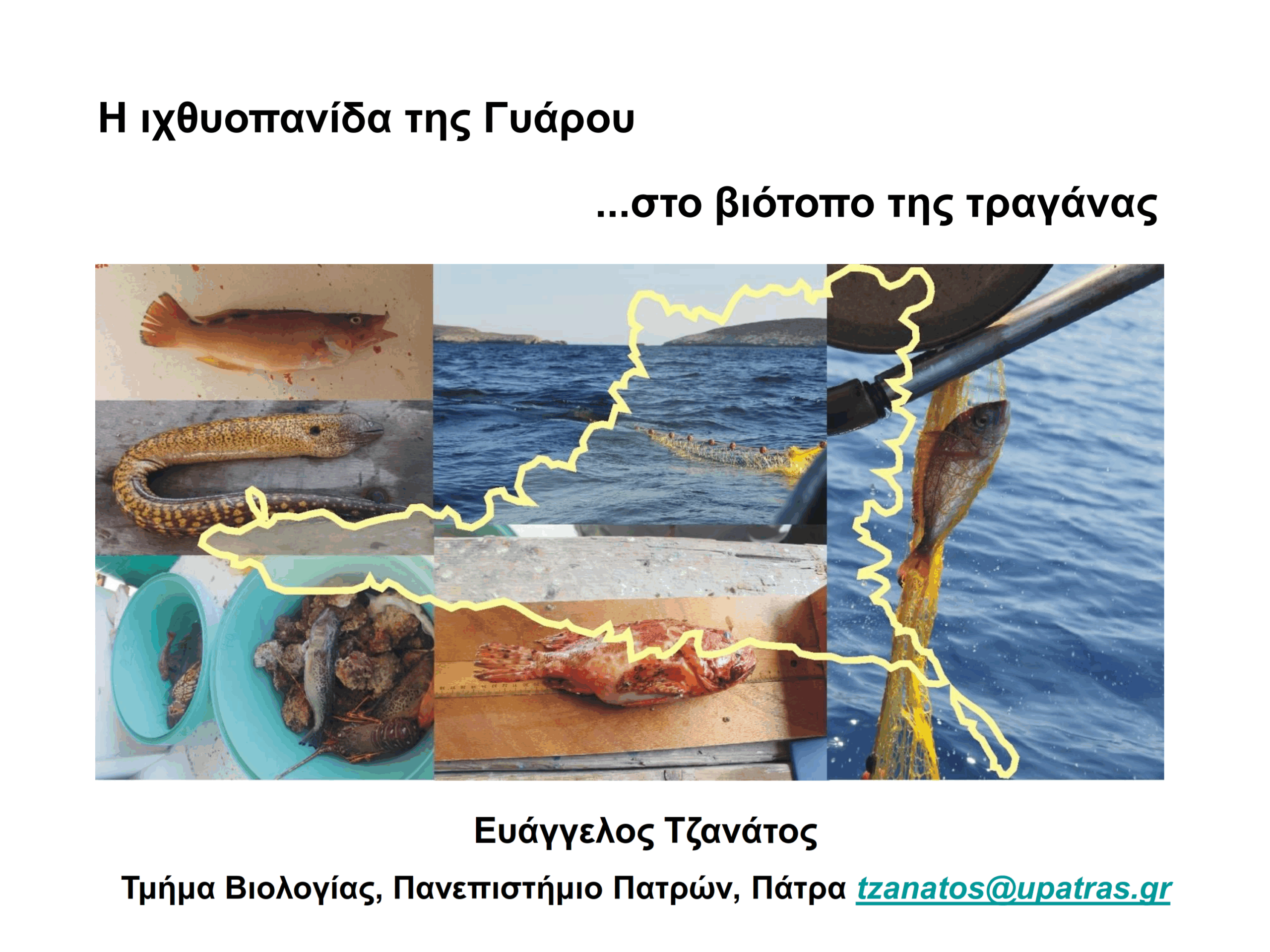
Images from presentations given at the Co-Management Committee meetings

The Project Team’s aim was to ensure that, for each meeting, all the details had been prepared and finalised, the meeting dates had been confirmed, and invitations had been sent to participants one month in advance. In addition, the agenda and relevant materials (presentations, working papers, supporting material) were sent to the Committee members at least 15 days in advance, as stipulated in the Committee’s Rules of Procedure.

The intensive and demanding effort to ensure timely preparation resulted in members being fully informed about the agenda for each meeting, so as to arrive suitably prepared, and to consider the process to be clear and transparent; consequently, there were no surprises or unexpected developments during the meetings.

Participatory Planning – A Strategic Choice


Konstantinos Liarikos, the representative of WWF Greece in the Committee, explains why we decided to apply participatory processes

Addressing communication and information challenges

Whilst the Project Team had initially assessed that regular communication with participants in the Co-management Committee was sufficient to ensure that stakeholders and interested parties were well informed, it was found that there were some instances where members of the participating and involved bodies stated that they were not fully informed and that their representatives in the Committee did not provide them with structured, detailed and regular updates. At the same time, other stakeholders, who did not participate in the Committee, occasionally expressed their dissatisfaction at the lack of prompt and adequate information. Consequently, despite the Project Team’s efforts, these factors contributed to a certain degree of misinformation regarding exactly what was being discussed and decided within the Co-Management Committee.

To address this, the Project Team, taking into account the project’s constraints in terms of timetable and resources, organised additional meetings and presentations for the Municipal Councils of neighbouring islands, individual meetings with selected stakeholders, as well as public presentations on the progress of the project and, in particular, the work of the Co-Management Committee.

The active participation and cooperation of the stakeholders

Konstantinos Voltis, director of the Cyclades Development Agency, talks about the successes and challenges faced by the Committee

At the end of its two-year term, the Gyaros Co-management Committee succeeded in achieving its two original objectives. It drew up a mutually acceptable and unanimous proposal for the establishment of the Gyaros MPA, with detailed zoning and conservation measures and promotion, as well as a unanimous proposal for the governance and management of the Gyaros MPA, proposing the continuation and evolution of the Committee as the body responsible for its future co-management.

In 2019, the Ministry of Environment, Energy and Climate Change, adopting almost in its entirety the Committee’s proposal, issued a Ministerial Decision officially establishing the Gyaros MPA, as the first of its kind in the Cyclades, thereby turning the Committee’s vision into reality.

However, there has been no corresponding positive development regarding the governance of the MPA. The change in central policy by the Ministry of the Environment in 2020 regarding the governance of the country’s protected areas (PAs), with the creation of the Natural Environment & Climate Change Agency (NECCA), a national body responsible for managing all PAs and MPAs, in divergence to the previous decentralised management bodies, put an end to the prospect of establishing participatory management schemes, and thus also to the proposal put forward by the Gyaros Co-management Committee.

‘The challenge was significant; we had to find a way to protect, both institutionally and in practice, within a tight timeframe, an area that is unique in terms of its natural environment and of its unique historical value. To create a model Marine Protected Area that would ensure the protection of biodiversity whilst respecting local communities. There was only one solution: the involvement of all stakeholders –state, local authorities and organisations, users of the area (particularly fishermen), scientists and environmental NGOs – in the planning of the zones and of the conservation measures. We thus wanted to demonstrate that such a planning model, based on co-management and shared responsibility, is not merely a nice idea in theory, but can work in practice, even in Greece, where we do not have the best track record when it comes to dialogue and consultation. We also wanted to demonstrate that when we plan jointly, with many different bodies working together, rather than simply following the state’s decisions, the result is more comprehensive and certainly has a better chance of being accepted, respected and implemented, as it will belong to all of us. And what we considered almost impossible has become a reality. After many meetings, disagreements, consultations and conflicts – we all, in a spirit of cooperation and mutual understanding, and focusing on our shared vision for Gyaros, its natural environment and the inhabitants of the surrounding islands – found common ground and reached a UNANIMOUS agreement.”
Spyros Kotomatas
Gyaros Programme Manager
Shopping Cart