
The Remote Surveillance System for the Gyaros Marine Protected Area
An innovative, technologically advanced and effective remote surveillance system
The surveillance and guarding project for the Gyaros MPA, which was based, to a large extent, on the installation and operation of a remote surveillance system by WWF Greece, was designed as a comprehensive conservation strategy, aimed at managing the MPA and preventing illegal activities, such as illegal fishing, degradation of important habitat types, such as Posidonia seagrass meadows and reefs, which are home to a wealth of marine species (e.g. Mediterranean monk seal).
The Remote Surveillance System for the Gyaros MPA ensures continuous surveillance of the area and serves as a model of effective cooperation between non-governmental organisations, such as WWF Greece, local stakeholder groups, such as the fishermen of Syros and Andros, and competent authorities from the central administration, such as the Syros Port Police Authority. The effective handover of this system to the Central Aegean Protected Areas Management Unit (C.A.P.A.M.U.) of the Natural Environment & Climate Change Agency (N.E.C.C.A.), with the cooperation of the Hellenic Coastguard secured, and with clear roles and responsibilities established for all parties involved, constitutes a best practice for similar initiatives relating to the protection of the country’s MPAs and, more specifically, for the development of similar systems implemented and co-funded by private or non-governmental entities and their transfer to government bodies.
The development of the Remote Surveillance System for the Gyaros MPA has shown that, through a combination of adopting new surveillance technologies and utilising traditional guarding methods (on-site patrols), it is possible to effectively monitor, guard and protect an MPA from illegal activities.
Such a system must take into account, during its design, local environmental characteristics and conditions, legal and social specificities, and the operational capabilities and responsibilities of the bodies involved. Furthermore, it should possess the necessary flexibility in operational planning to transition easily from remote surveillance to routine and emergency on-site patrols, whilst at the same time being able to resolve technical problems that may arise (adverse weather conditions, equipment failures, etc.). This highlights the importance of the human factor in the effective implementation of the Gyaros MPA Remote Surveillance System, which was a crucial element in the overall design and implementation of the project.
The Concept of Guarding and its significance in an MPA
The surveillance and guarding of an MPA are key components of the overall management of a Protected Area, alongside public information and awareness-raising to the general public and users of the area, consultation with stakeholders involved in its management, and scientific research and the study of the species and habitats found within it. It must be a comprehensive approach that ensures compliance with the institutional and legal framework and the implementation of the rules and restrictions arising from it, with the aim of conserving the natural elements under protection. In essence, it is a key component of the adaptive management of a Protected Area.
For the surveillance and protection of Protected Areas, particularly marine ones, effective mechanisms must be put in place to monitor, surveil, and guard these areas, detect potential infringements and enforce the relevant sanctions, so as to ensure the implementation of the institutional framework for the conservation of biodiversity.
A fundamental and primary prerequisite for the surveillance and guarding of an MPA, is the existence of a clear institutional and legal framework for the protection of the area in question, which clearly defines its specific protection zones, the permitted – and prohibited – uses and activities within them, as well as the relevant specific regulations and conservation measures. The provisions of the national legislation governing the procedure for establishing a protection regime for Protected Areas (PAs) and Marine Protected Areas (MPAs) are clear and are based primarily on the issuance of Presidential Decrees pursuant to Law 1650/1986, as currently in force.
Under ‘normal’ circumstances, and assuming that a clear protection regime exists for each specific MPA in accordance with the above, it is necessary, to have an additional institutional tool: the approved MPA Management Plan, which – amongst other things – clearly sets out the responsibilities and roles of the competent authorities and stakeholders, as well as the procedures and actions for the surveillance and guarding of a Protected Area. Once it has been ensured that the above are in place, the surveillance and guarding of a PA/MPA aims to ensure compliance with the existing rules and to minimise infringements that may have a negative impact on the protected elements of the natural environment (sensitive habitats and species). The design, development and implementation of surveillance and guarding project within an MPA, based on its approved Management Plan, is a particularly complex and demanding undertaking which is the exclusive responsibility and obligation of the competent State bodies, specifically NECCA and the services of the relevant competent Ministries (e.g. the Hellenic Coastguard).
At this point, it is worth emphasising that when the Remote Surveillance System for the Gyaros MPA was designed, there was no – or at best no clear – relevant institutional and legal framework, under which the permitted uses and compatible human activities within the MPA were defined, nor had the bodies responsible for managing the specific area been identified; furthermore, the roles, responsibilities, procedures and actions that should govern the broader surveillance and guarding of Protected Areas in Greece.
Consequently, the initial design of the Remote Surveillance System at the Gyaros MPA was based on international experience and the relevant literature, whilst, during the implementation of the overall project for the surveillance and guarding the area, the necessary corrections and modifications were made, until its final handover to NECCA.
As the legal status of the Gyaros area was – at least initially – ‘unclear’, WWF Greece and its external partners, who designed, installed and implemented the Remote Surveillance System and developed the relevant procedures for surveillance and guarding, had no formal or substantive competence or responsibility regarding the Gyaros MPA.
Consequently, this was an initiative based on ‘voluntary’ motives and on WWF Greece’s intention to contribute to the effective protection of the area, and in no way did it stem from the requirements for the implementation or enforcement of the legislation.
In fact, WWF Greece, as an environmental organisation, during the implementation of the surveillance project and for the installation and operation of the Remote Surveillance System, acted in a supportive capacity towards the competent Port Police Authorities/Hellenic Coastguard and cooperated with them in a supplementary capacity to protect the area. WWF Greece effectively managed the system as a whole and monitored the area; whenever it deemed it necessary, it carried out on-site inspections and called on the Syros Port Police patrol vessel to intervene. In cases where an illegal incident had been identified and intervention by the Coastguard was not possible, WWF Greece submitted a formal written statement, accompanied by all the supporting evidence, to the Syros Port Police Authority.
Considering the above, it is important to make it clear that the conclusions drawn from the installation and operation of the Remote Surveillance System, as well as this Best Practice Guide, are the result of WWF Greece’s experience in surveilling the Gyaros MPA. Although they do not constitute a comprehensive and universal guide for the surveillance and guarding of all the country’s MPAs, this initiative offers a unique – to date – example of integrated and documented good practice.
This Guide does not aim to replace a comprehensive plan for the surveillance and guarding of the MPAs; however, it offers valuable insights and practical approaches that can be utilised by the relevant authorities and MPA managers. Consequently, the experience gained from the Gyaros MPA can serve as a foundation for the development and implementation of similar initiatives in other areas, contributing significantly to the establishment of a national framework for the effective surveillance and guarding of protected areas.
The Concept of Guarding
Remote Surveillance System
Handover of the System
The Remote Surveillance System
Since 2015, through the European CYCLADES Life project, an integrated Remote Surveillance System has been installed in the region. This innovative, state-of-the-art system comprises of a radar, thermal cameras and control stations for remote surveillance, installed at selected locations within the Gyaros MPA and Syros island.
The development of an integrated Remote Surveillance System within the Gyaros MPA, which has been in continuous operation since 2015, the adoption of advanced surveillance technologies, investment in specialist staff, the active presence of the WWF Field Team patrolling the area, and, in particular, the active involvement of the Port Police Authorities/Hellenic Coastguard in the surveillance and guarding process, have contributed to the proper enforcement of the current regulatory framework, making a substantial contribution to the protection and conservation of critical habitats and species.
These actions not only led to a reduction in illegal activities and the protection of critical habitats and species but also strengthened the local community’s confidence in the judicial and effective management of the area. The successful implementation of the surveillance and guarding project reinforces the sustainable management of the MPA and sets standards for similar initiatives, at both national and international levels, for remote, ecologically sensitive areas.
Following the signing in 2023 of a Memorandum of Cooperation between the Ministry of Environment and Energy (MoEE), the Ministry of Maritime and Island Policy (MMIP)/Hellenic Coastguard, NECCA and WWF Greece, the Remote Surveillance System was successfully transferred to NECCA in April 2024. Prior to this, training on its operational use has been provided to the staff of the Central Aegean Protected Areas Management Unit (C.A.P.A.M.U.) of NECCA. This ensured a smooth transition of the surveillance and guarding of the Gyaros MPA under the responsibility of the relevant competent state bodies, utilising the System in the long-term and ensuring their cooperation for the protection of the MPA.
Description of the Remote Surveillance System
Since 2015, through the European CYCLADES Life project, an integrated Remote Surveillance System has been installed in the region. This innovative, state-of-the-art system comprises of a radar, thermal cameras and control stations for remote surveillance, installed at selected locations within the Gyaros MPA and Syros island.
The development of an integrated Remote Surveillance System within the Gyaros MPA, which has been in continuous operation since 2015, the adoption of advanced surveillance technologies, investment in specialist staff, the active presence of the WWF Field Team patrolling the area, and, in particular, the active involvement of the Port Police Authorities/Hellenic Coastguard in the surveillance and guarding process, have contributed to the proper enforcement of the current regulatory framework, making a substantial contribution to the protection and conservation of critical habitats and species.
These actions not only led to a reduction in illegal activities and the protection of critical habitats and species but also strengthened the local community’s confidence in the judicial and effective management of the area.
The successful implementation of the surveillance and guarding project reinforces the sustainable management of the MPA and sets standards for similar initiatives, at both national and international levels, for remote, ecologically sensitive areas.
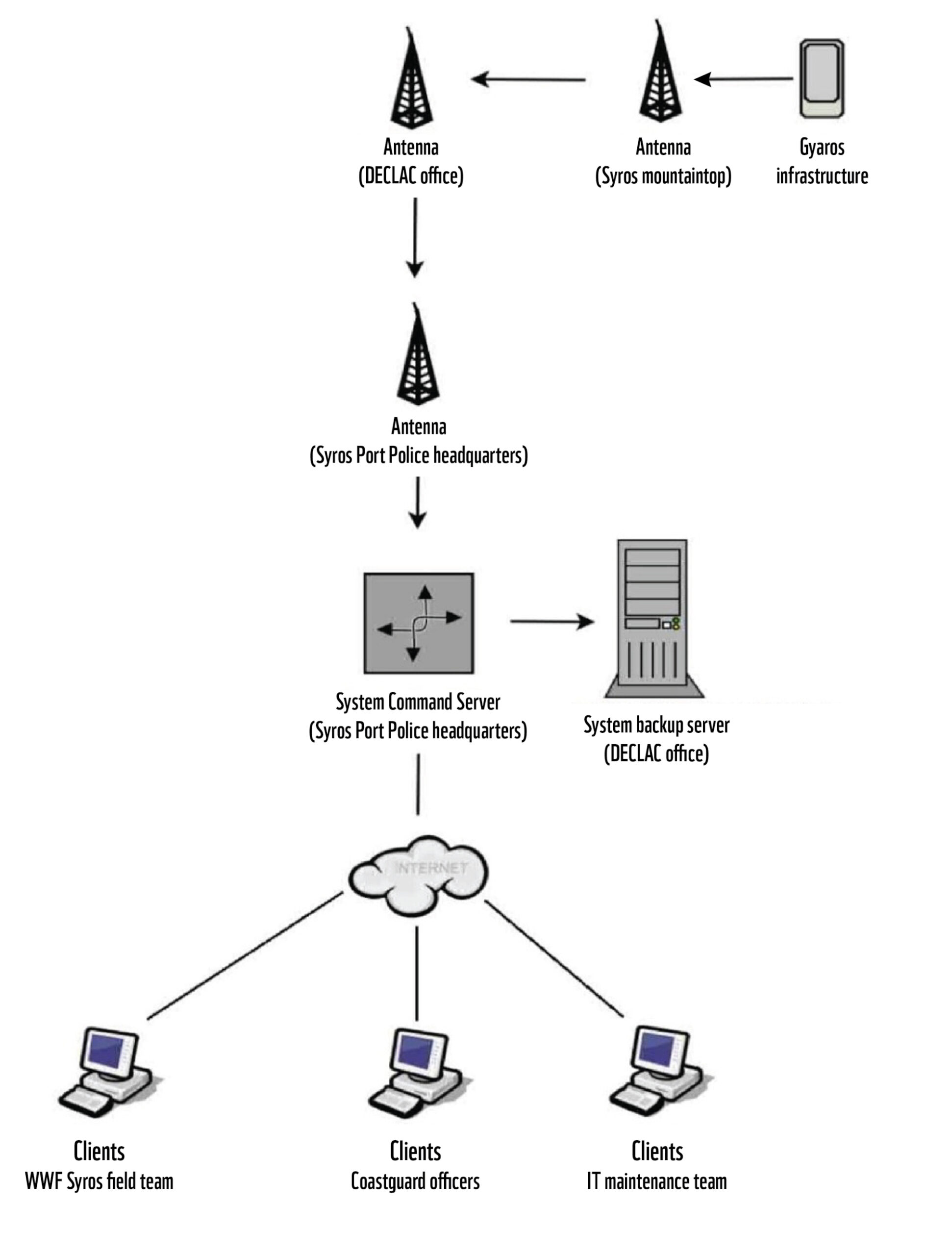
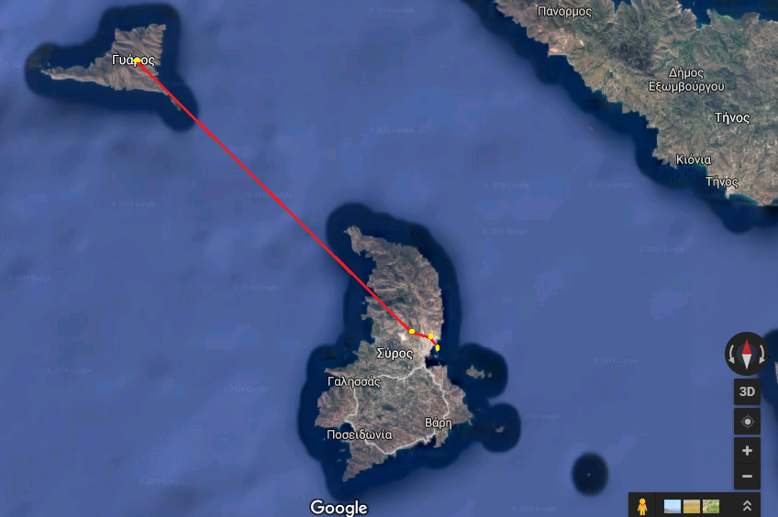
The Remote Surveillance System for the Gyaros MPA comprises of various individual components. This infrastructure was initially installed in a small building situated at the mountaintop of Gyaros Island, at the antenna park on the mountain of Syros island, at the Syros Port Policy Authority headquarters, at the offices of the Cyclades Development Company, and at the local office of WWF Greece in Syros.
The main purpose of the system is the remote surveillance of the Gyaros MPA, which comprises the island of Gyaros and the marine zone surrounding it of a radius of 3 nautical miles, with the aim of monitoring any human activities (including fishing) and determining whether they are carried out in accordance with the regulations and restrictions governing the Gyaros MPA and whether visitors to the area comply with the applicable legislation.
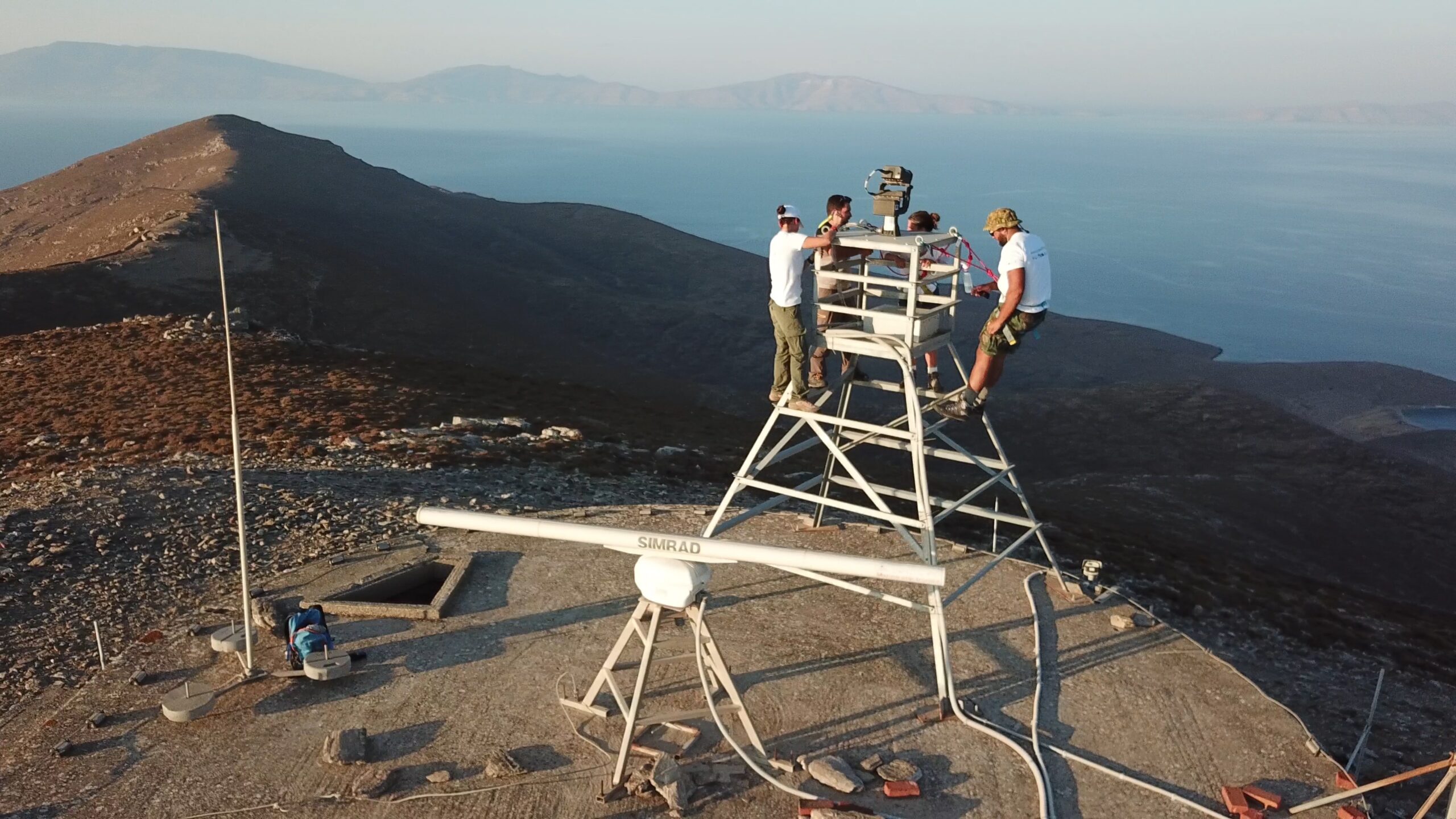
At the mountaintop of the island of Gyaros, specifically at the highest point of the island (at the site of Profitis Ilias) οn the roof of an old machine-gun post from the 2nd World War, the main Remote Surveillance System is installed; this consists of a SIMRAD radar and a digital, high-resolution, military-grade EOD-100 infrared camera, as well as a transmitter that sends the signal to Syros. The data produced and collected by the system is transmitted to Syros via radio waves.
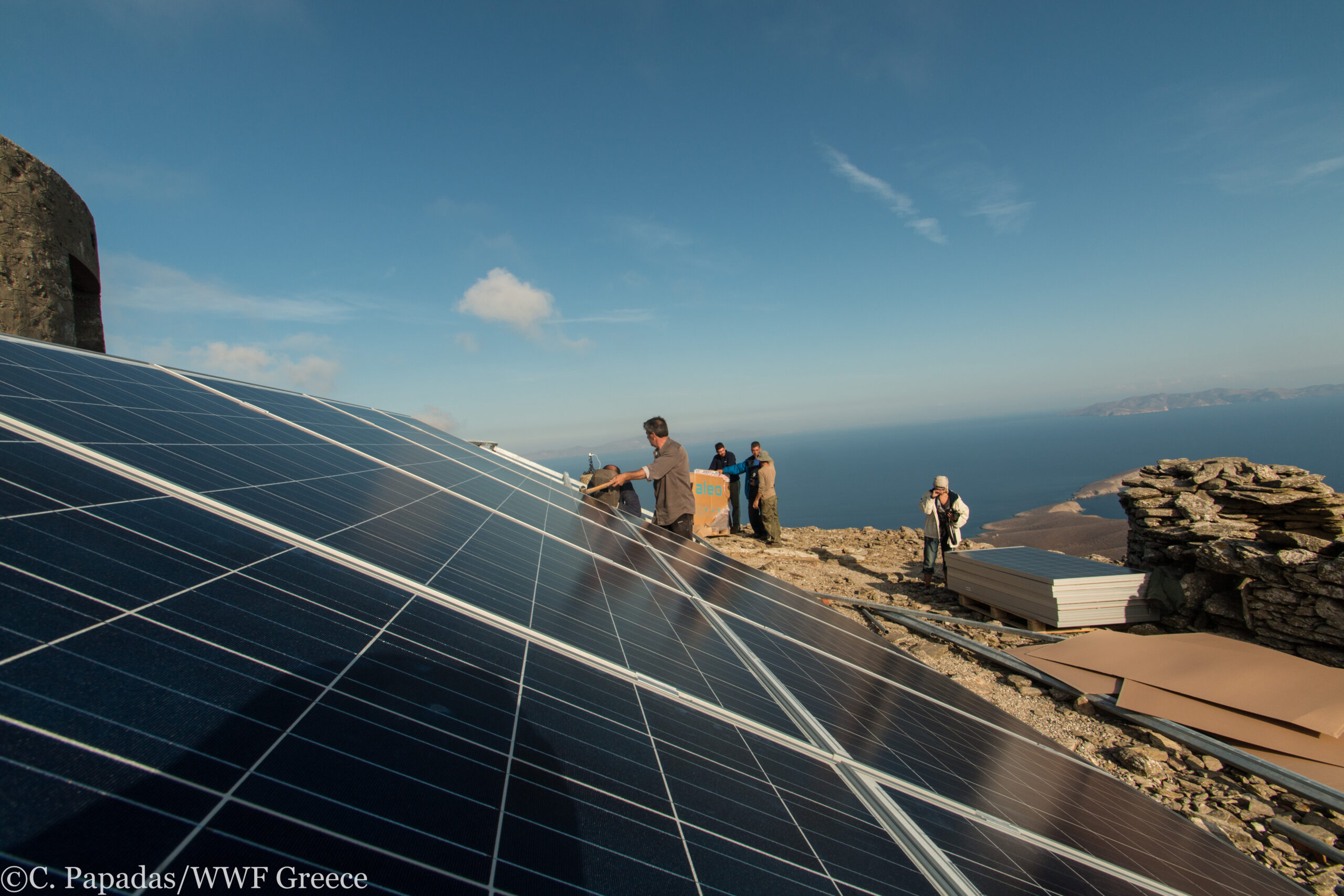
The system is powered by solar panels, which generate and store energy in specialised batteries. The electrical system is controlled by a control panel located in a dedicated enclosure, which is situated inside the building.
All equipment relating to electrical systems, IT systems and radio wave networks and communications is also installed within the building.
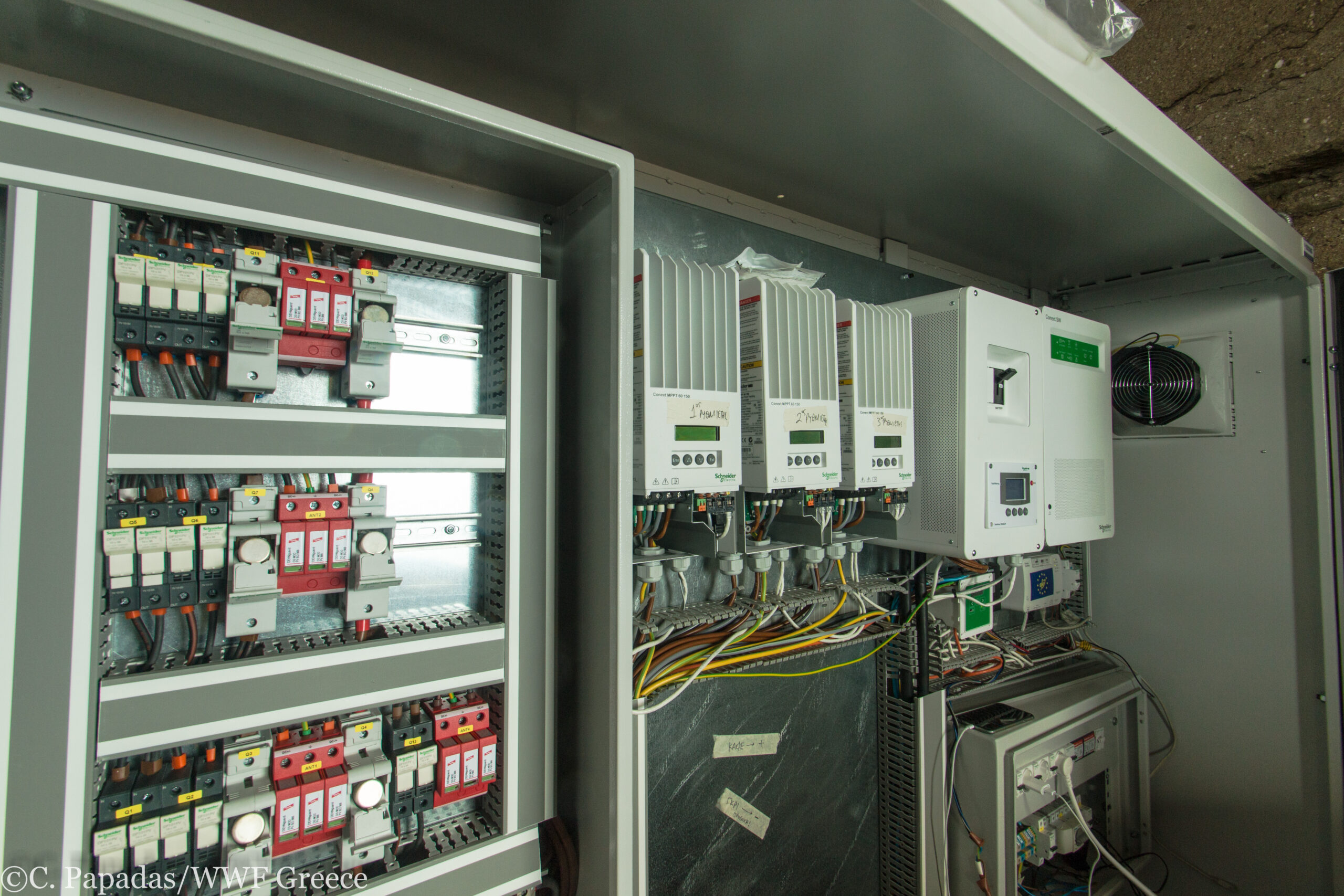
The building is protected around its perimeter by a bard-wired fence, supplemented by six CCTV cameras monitoring the surrounding area and one camera inside the hut, as well as by lightning protection on its roof.
Syros
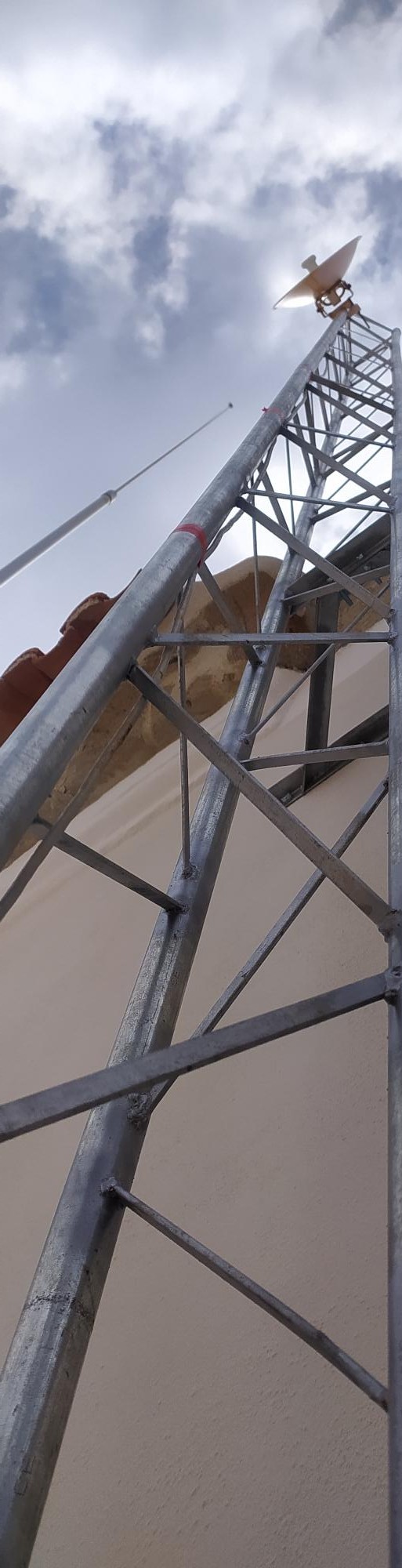
At the highest point at the neighbouring Syros island, at a location known as ‘Pyrgos’, are all the island’s antennas and network and telecommunications infrastructure. At this location, there is a receiver that picks up the signal from the Gyaros infrastructure and a transmitter that sends the signal to the infrastructure situated on the roof of the Cyclades Development Company (AN.ET.KY.) in Ermoupoli, whilst at the base of the antenna and inside the building there is also a UPS which ensures a continuous and uninterrupted power supply. The use of the space housing the receiver, transmitter and UPS was provided free of charge by the Syros Municipal Radio Station.
Cyclades Development Company, Ermoupolis Syros
On the roof of the Cyclades Development Company’s office building in Ermoupoli, there is a receiver that picks up the signal from the ‘Tower’ antenna and a transmitter that sends the signal to the infrastructure located on the roof of the Syros Port Police Authority. The use of the space at the Cyclades Development Company’s office building in Ermoupoli was provided also free of charge.
Port Policy Authority, Ermoupolis Syros
On the roof of the Syros Port Police Authority in Ermoupoli, a receiver is installed which picks up the signal from the antenna located at the Cyclades Development Company; the data is processed at the Command Centre, and the final information is then sent back to the Cyclades Development Company, where the internet connection is located, thus enabling the provision of remote imagery to any authorised device.
At the Syros Port Police Authority, an IT system, the Command Centre, has been installed; this collects, stores and provides authorised users with access to all the data received from the radar and the thermal camera.
It consists of a server for data processing, an extension of the server located at the Gyaros Infrastructure, a data storage system and a UPS for protection against power cuts, as well as a workstation for Port Police Authority staff.
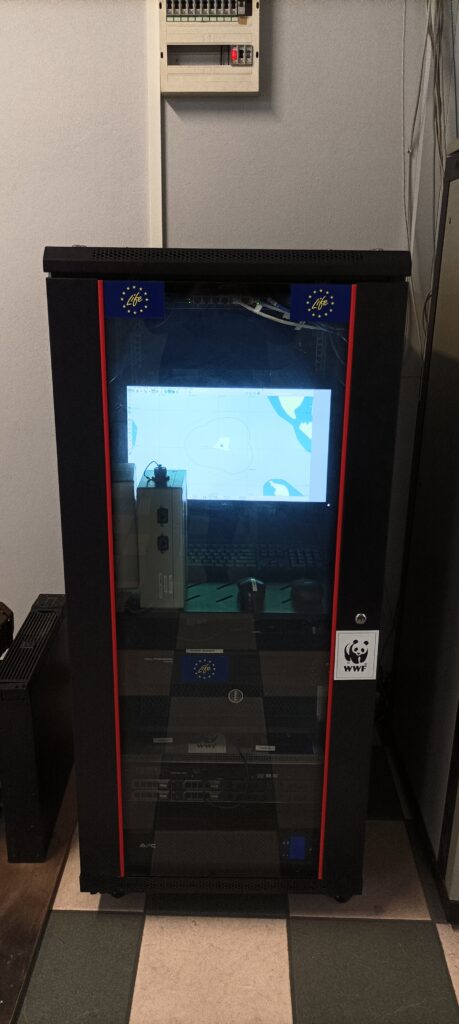
At the Cyclades Development Company, an additional IT system has been installed, which receives data from the Command Centre located at the Syros Port Police Authority and functions as a backup system for the main Command Centre.
It consists of a server, a data storage system and a UPS to protect against power cuts. The space within the Cyclades Development Company building in Ermoupoli was provided free of charge to house this equipment.
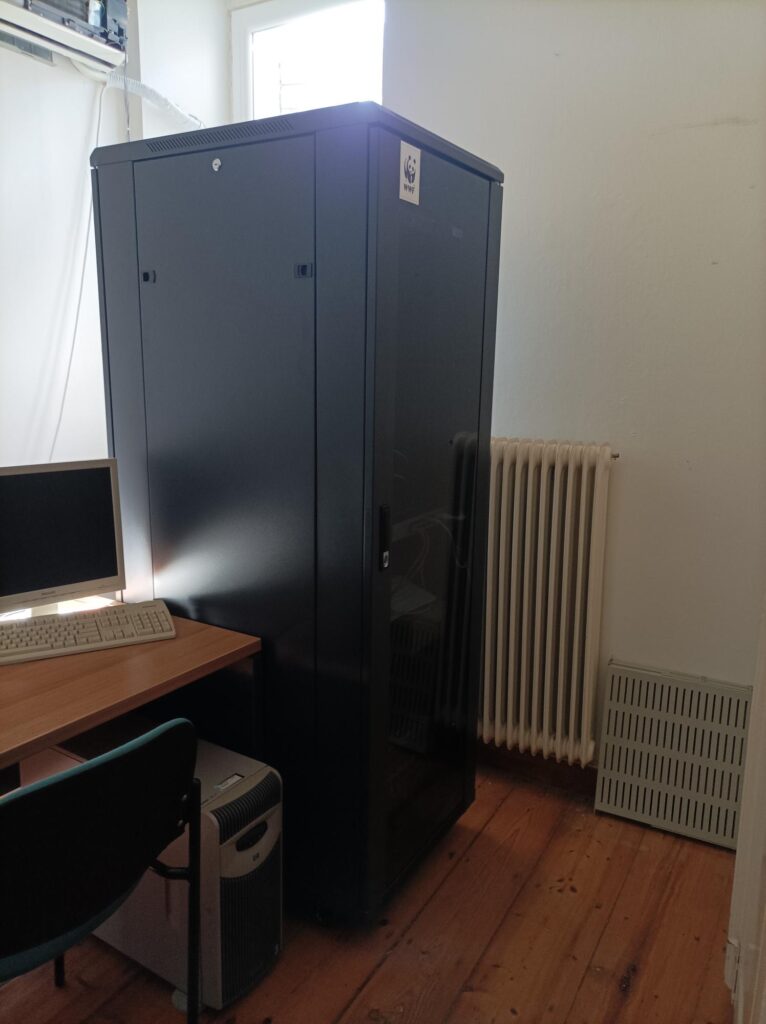
Authorised users (clients) can only access the system via the Command Centre and are divided into three user categories. Authorised users can access the system either via a workstation, a tablet or a mobile phone, enabling them to access data and/or images from the radar and thermal camera, and/or system and software settings, at any time. During the period in which the system was operated by WWF Greece, the user categories were:
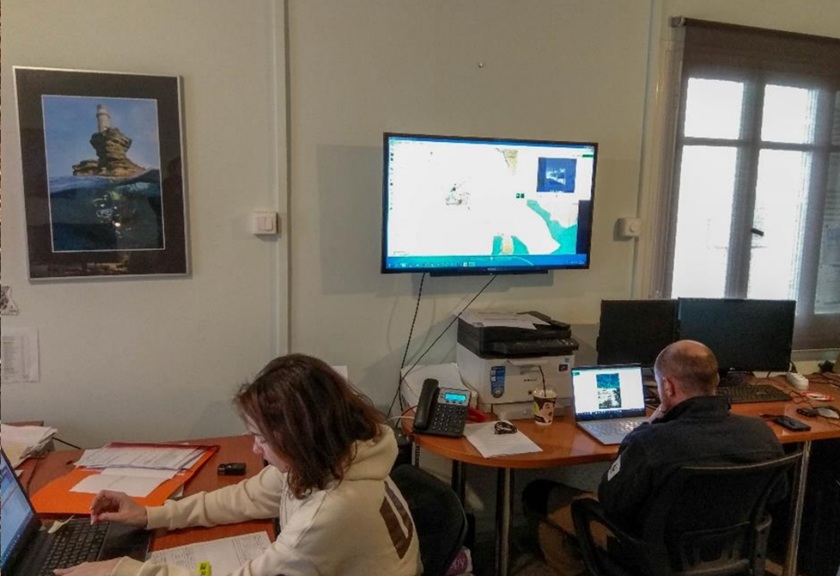
- Authorised WWF Greece Field Team staff with full access to data and images from the radar and thermal camera, as well as to system and software settings.
- Authorised staff of the Syros Port Policy Authority with access exclusively to radar and thermal camera images.
- Authorised system maintenance technicians with access to system and software settings.
The Remote Surveillance System of the Gyaros MPA is complemented by an unmanned aerial vehicle/quadcopter (UAV-Drone), DJI Matrice 200, which provides support for a better assessment of incidents occurring within the Gyaros MPA, as it can provide a close-up view without the Field Team being detected. The UAV is operated exclusively by authorised, trained and certified personnel.
The use of drones has allowed the Field Team to identify and gather evidence of illegal activities.
Drones require a special UAV (Unmanned Aerial Vehicle) operator’s licence and relevant experience in their use to be effective. In the case of the Gyaros Remote Surveillance System, the drone proved to be a very useful tool during surveillance, providing a remote view of illegal activities. The use of drones helped the Field Team to identify and gather evidence of illegal incidents (e.g. illegal fishing) that would otherwise have been impossible, as the perpetrators would have fled the area upon seeing the Team approaching them during a patrol.
Detailed Operational Plan
To define the actions, procedures and roles for the surveillance and guarding project for the Gyaros MPA, a detailed Operational Plan was drawn up and agreed with the Port Police Authorities in Syros. To facilitate the installation and operation of the Remote Surveillance System and the effective protection of the Gyaros MPA, as well as to ensure the operational readiness of the Hellenic Coastguard and, in particular, the Syros Port Police Authority, a relevant Memorandum of Understanding was signed in 2018 between the Ministry of Environment and Energy, the Ministry of Maritime and Island Policy/Hellenic Coastguard, and WWF Greece.
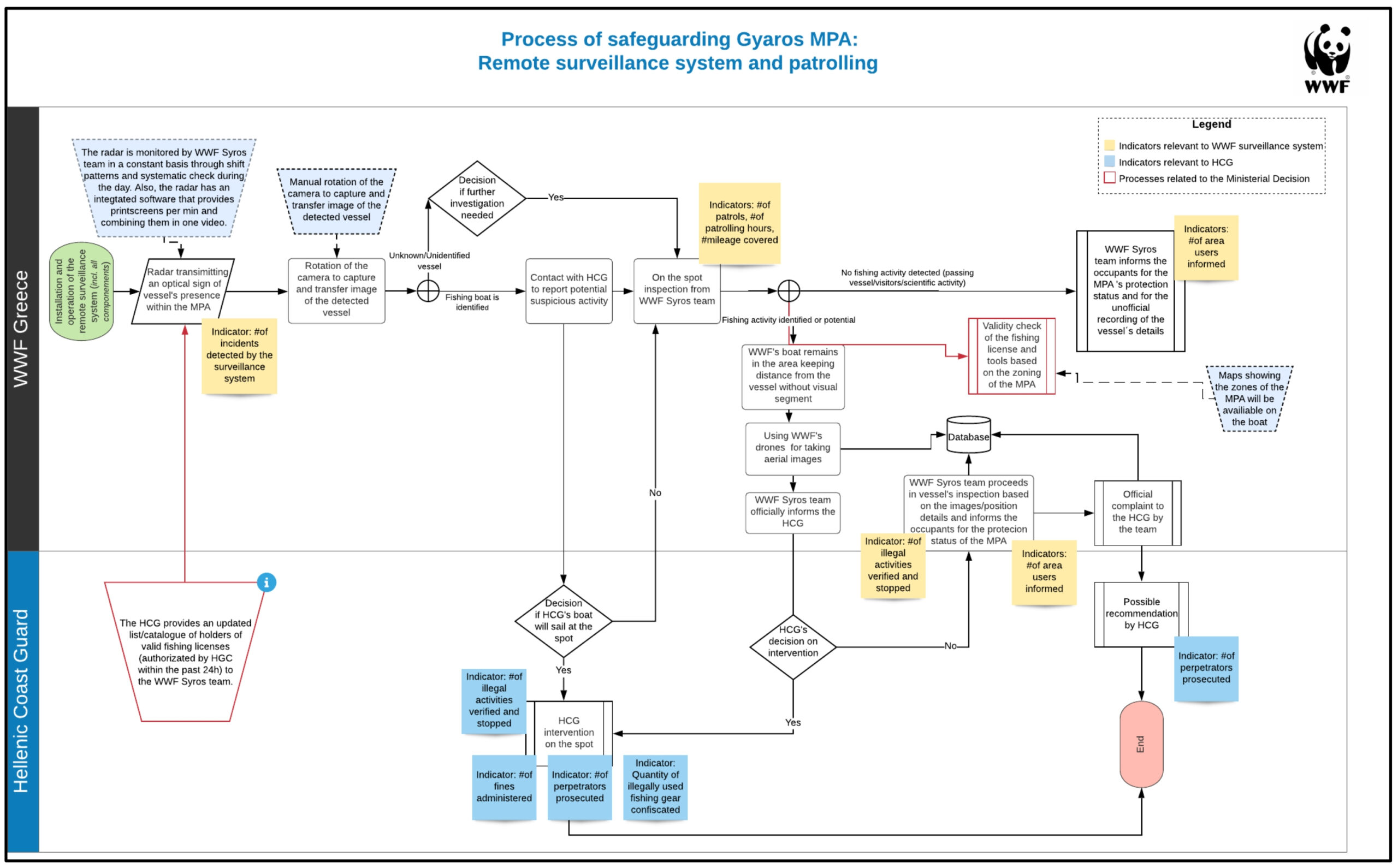
This Plan sets out in detail the procedures to be followed by each party involved (the WWF Greece Field Team and the Syros Port Police Authority).
The adjacent diagram illustrates, in a flowchart, the steps taken by the Field Team for remote surveillance during its day-to-day operations, the assessment and identification of activities within the Gyaros MPA, and illustrates the procedures involving the Port Police Authority, when it is notified of a suspicious incident by the Team.
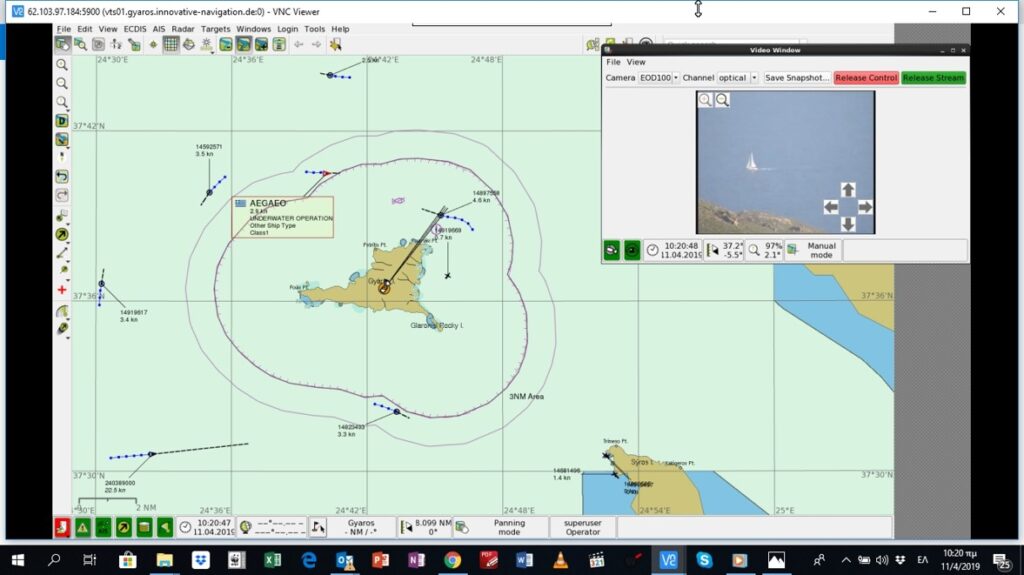
Step 1
Based on the data from the System, the Field Team decided whether intervention was necessary, depending on the severity of the incident (time and place of entry into the MPA, nature of the suspected illegal activity, etc.) and to commence on-site patrols within the MPA using the high-speed inflatable boat, in order to verify the activities of the suspect vessel and, if necessary, to gather evidence regarding the illegal activity.
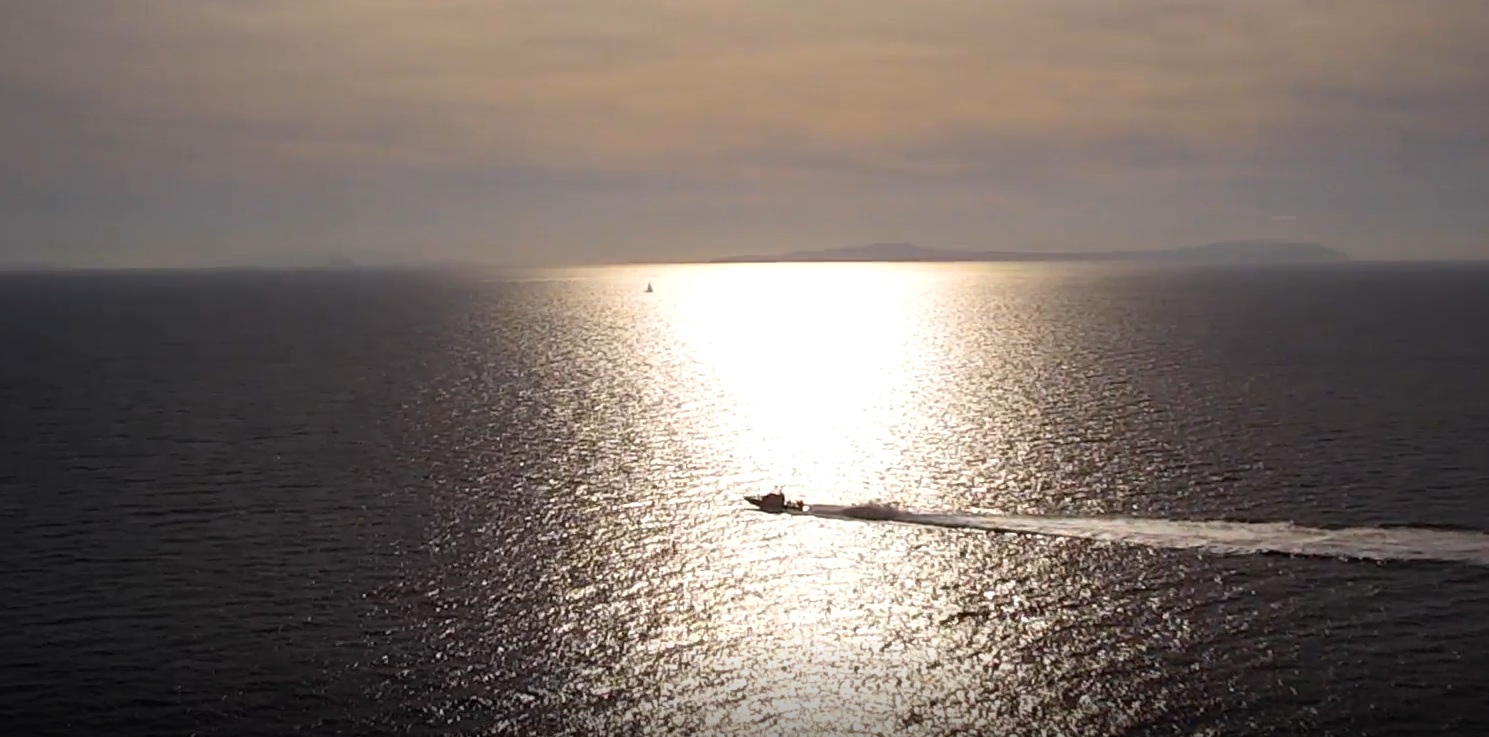
Step 2
Whilst the team was on site, it approached the suspected vessel from a safe distance and recorded its activities to ascertain whether they were illegal (i.e. whether it was engaged in illegal fishing), gathering evidence of its activities (e.g. photographs, videos, etc.).
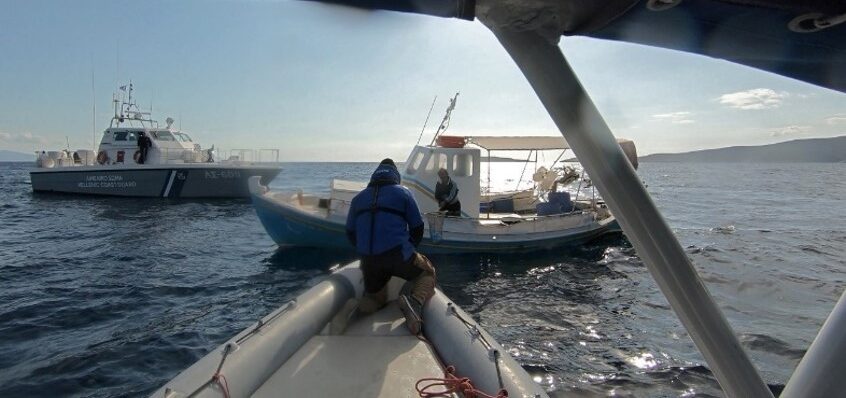
Step 3
If the vessel’s activities were assessed as illegal, the Team would politely inform those involved that their actions were illegal, that it would immediately report the incident to the relevant Port Police Authorities, and that they should cease their activities and leave the Gyaros MPA. In accordance with the relevant procedure, the Field Team simultaneously notified the Syros Port Police Authority by telephone to come on site with their patrol vessel to verify the incident and the illegal activity and take the foreseen punitive action. Upon its return to Syros, the Field Team submitted all the evidence gathered regarding the unlawful incidents that could be verified and signed a written statement at the Syros Port Police Authority.
The Surveillance Database
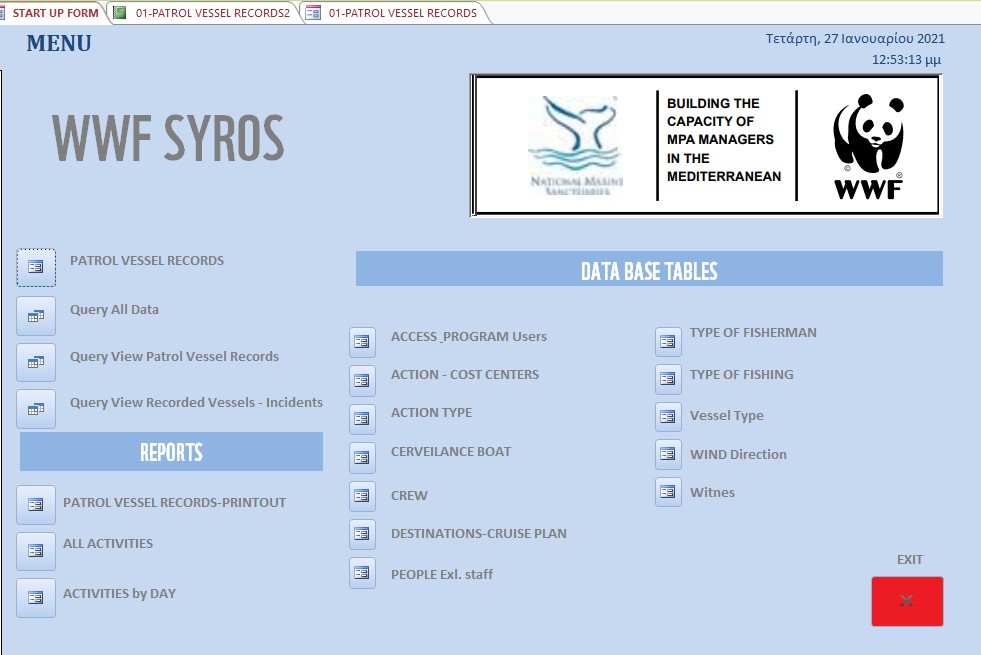
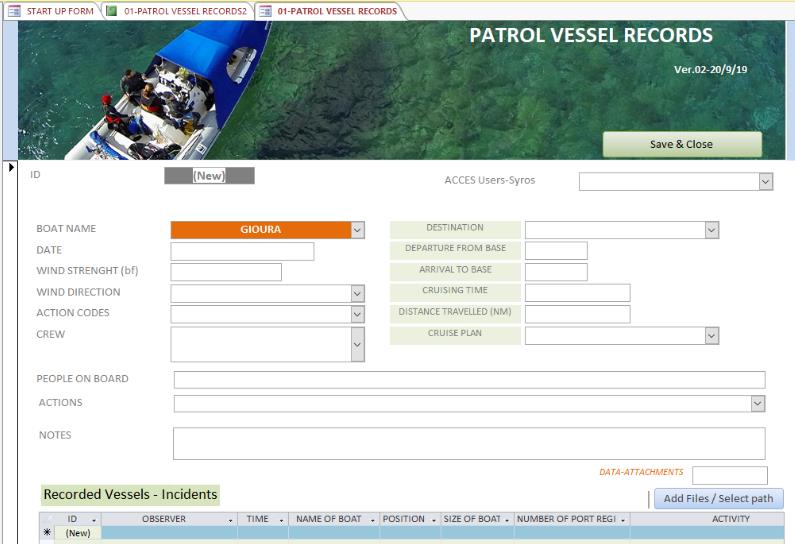
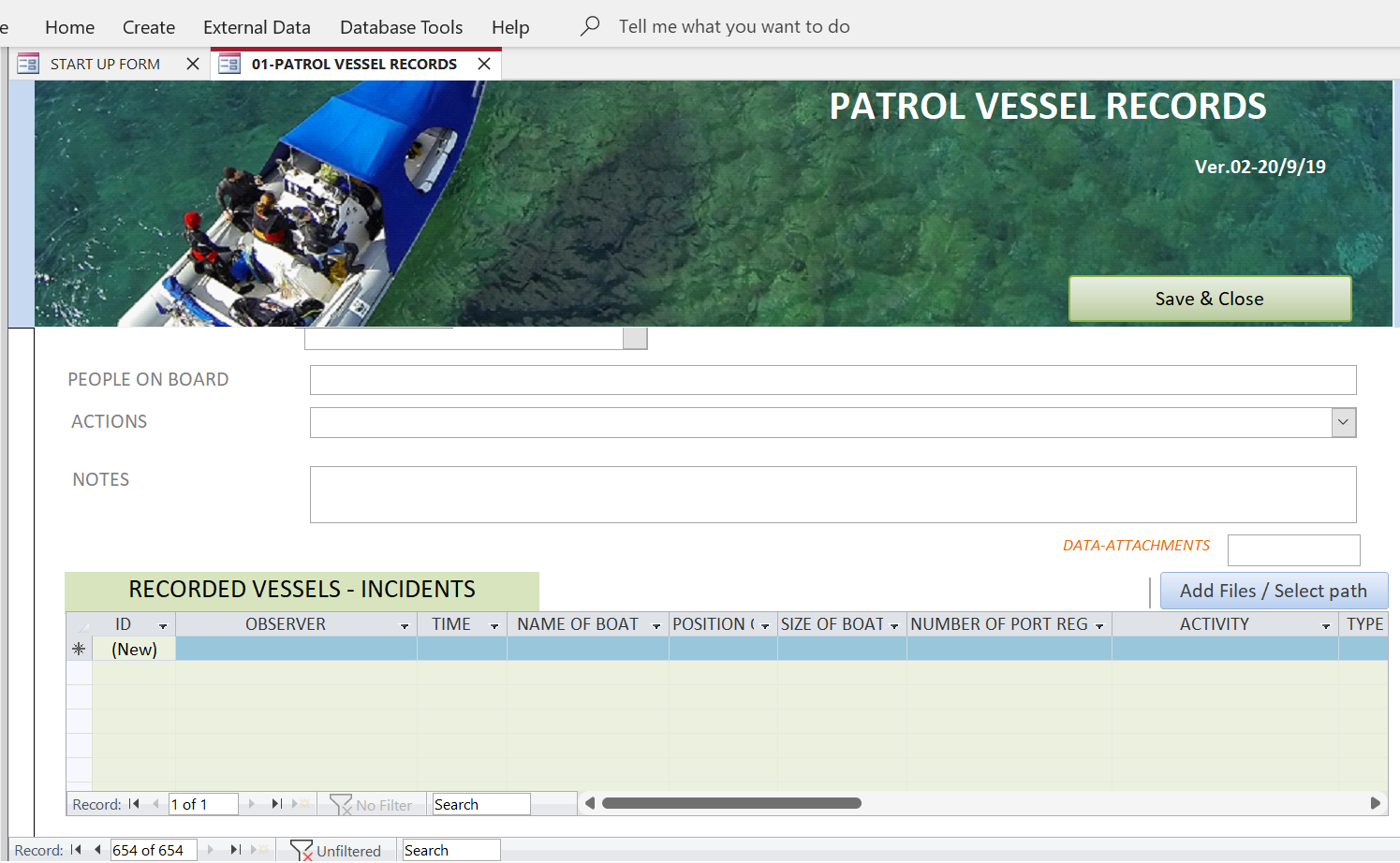
The database for the Gyaros MPA surveillance and guarding project was developed using MS Access to enable the Field Team to easily record, manage and analyse all data relating to its surveillance and guarding activities. Patrol data, photographs, videos, radar recordings and official statements were archived in this database. The Surveillance Database was stored in a secure cloud space, allowing remote access only to authorised personnel, in compliance with the EU General Data Protection Regulation (GDPR).
Remote Surveillance using innovative software
In addition, the Field Team utilised three free software programmes to gain remote and easy access to the Command Centre of the Remote Surveillance System, and specifically to the system’s radar, camera and display:
Virtual Network Computing (VNC)
Virtual Network Computing (VNC) is a graphical system that uses the Remote Frame Buffer (RFB) protocol to remotely control another computer. VNC was used to enable multiple users (Field Team, Coastguard officers, IT support specialists) to control the radar remotely via the Gyaros server.
gDMSS Plus
gDMSS Plus is a free remote surveillance software for Android and iOS devices that allows monitoring via video cameras using a smartphone or tablet. By using this, the Team was able to access Gyaros’s perimeter security cameras remotely 24/7.
Auto Screen Capture
Auto Screen Capture is a free, open-source programme for MS Windows that automatically captures up to four connected screens. Using this programme ensures access to the radar screen at any time, 24/7. The team collected radar screen snapshots every two minutes, and this data, in image format (.jpg), was automatically saved to a (cloud storage) Dropbox, to which only members of the Field Team had access via their mobile phones and tablets 24/7.
The WWF Greece Field Team
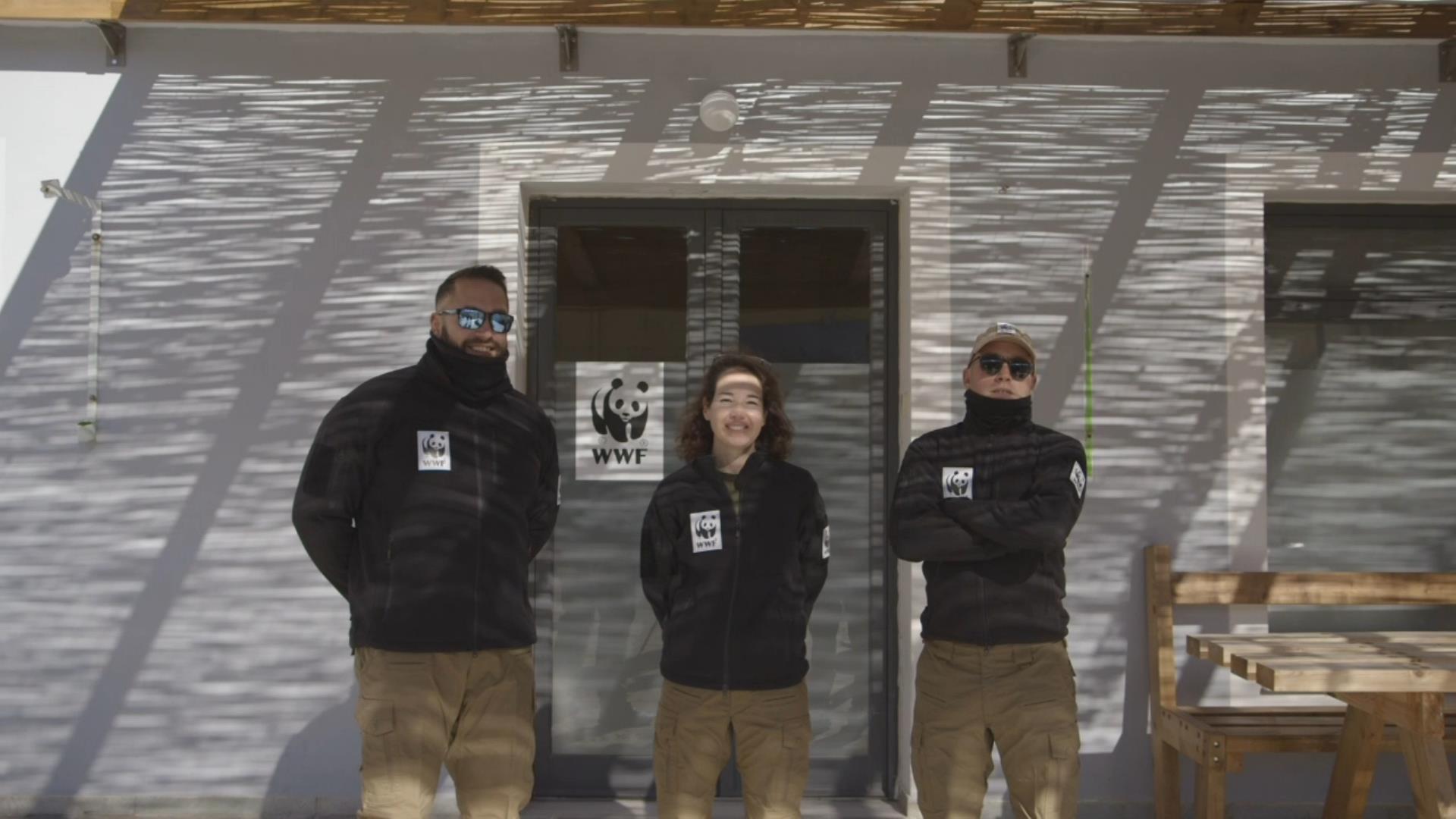
The WWF Field Team itself was perhaps the most important operational mechanism for the protection and management of the Gyaros MPA.
Its objectives were the continuous monitoring of the wider area, the recording of human activities, the collection of field data and the prevention of illegal activities, such as illegal fishing.
Through on-site patrols – both routine and ad hoc – the use of the innovative Remote Surveillance System, and close cooperation with the local community, the competent authorities and, in particular, the Syros Port Police Authority/Hellenic Coastguard, the Team consistently ensured compliance with environmental conditions, the implementation of measures to protect species and their habitats, and the sustainable management of marine resources.
More specifically, the Field Team:
- Consisted of three people, based in Syros, who carried out 24/7 surveillance shifts.
- It utilised the various components of the Remote Surveillance System installed in Gyaros (radar, thermal camera) and on Syros (control and remote-handling stations), assessing all activities within the MPA, even on days with adverse weather conditions.
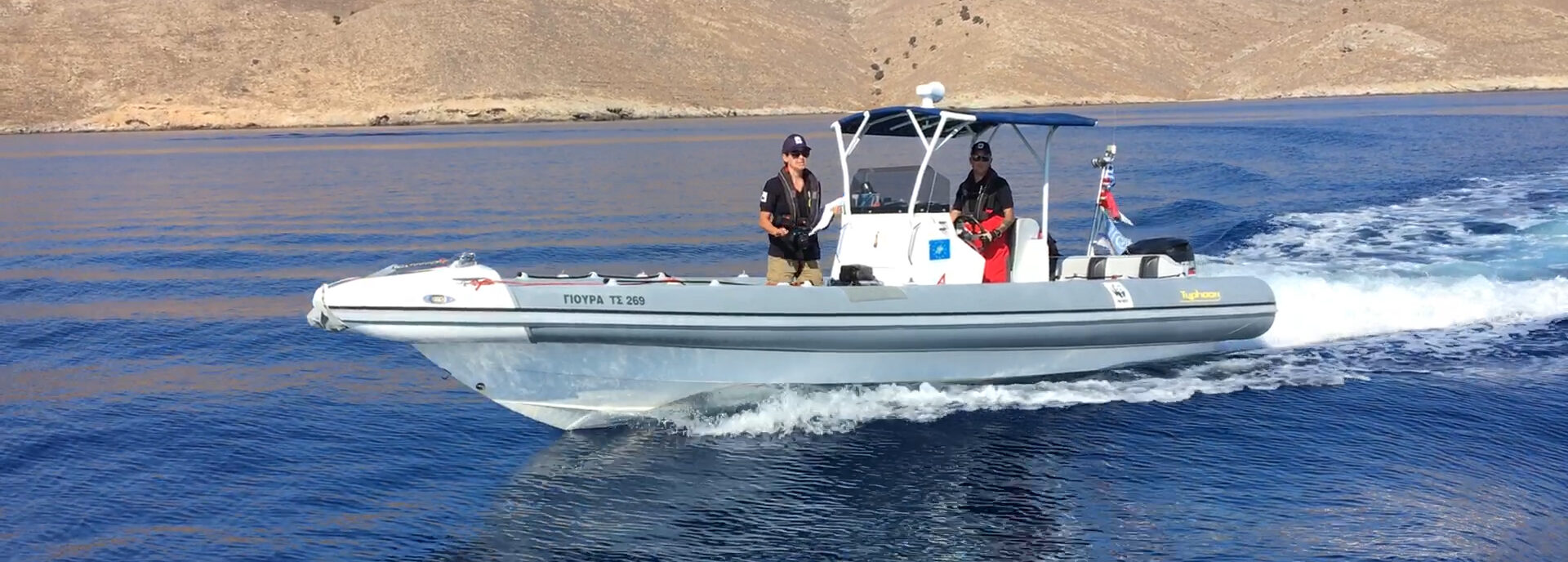
- Whenever weather conditions permitted, it carried out patrols in the Gyaros MPA, using WWF Greece’s speedboat, and conducted spot checks in the wider area.
- It adjusted its patrolling schedule accordingly, so as to be present at Gyaros at dawn, in the afternoon and in the evening, when fishermen are active.
- In cases where it was not possible, due to weather conditions, to carry out an on-site patrol to investigate a suspicious incident, or when the presence of the Coastguard was deemed necessary, the Team would contact the Syros Port Authority directly, and the latter would undertake to patrol the area with its own vessel, where possible.
Over a three-year period, between January 2018 and December 2020 – which was the heaviest in terms of workload period in operational terms – the Field Team carried out a total of 275 patrols, spending more than 1,500 hours patrolling the Gyaros MPA and covering a total of almost 11,600 nautical miles. Using all available Remote Surveillance System resources (radar, camera, drone) and through direct observations during its patrols, the team managed to record a total of 271 vessels within the area, which were identified in terms of their activity and assessed to determine whether they were involved in any form of illegal activity.
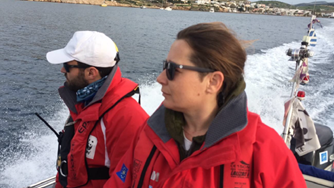
During this period, it identified approximately 70 suspected incidents of illegal fishing and inspected them all on site. Of these, 44 were found to be in breach of the fishing ban and were stopped on the spot, either following instructions from the Team or following intervention by the Coastguard. For all the illegal cases that were identified and verified, the evidence gathered was forwarded by the Field Team to the Syros Port Police Authority/Hellenic Coastguard for further action, in accordance with the applicable regulations and procedures. Ultimately, in 11 of these cases, fines were imposed to the offenders by the Port Police Authorities/Hellenic Coastguard, whilst a further two incidents were verified on the spot by the Coastguard patrolling the area – without the Team being present – and fines were imposed.
Regarding the effectiveness of the Remote Surveillance System, it appears that, during the same period, illegal activities fell significantly compared with the previous three-year period (2015–2017). Specifically, illegal recreational fishing fell by 57% compared with previous years, whilst an even more dramatic reduction, of 85%, was recorded in illegal professional fishing.
Remote Surveillance
Using the radar and the Automatic Identification System (AIS) of the Remote Surveillance System, the Field Team monitored the Gyaros MPA on a 24-hour basis and was able to detect all vessels entering within 3 nautical miles of the island’s marine area.
By monitoring the position of each vessel, the direction and course of its journey, its speed and its total route, whilst present within the MPA, the Team was able to isolate it and assess whether it was suspected of illegal fishing activity.
When potential suspicious incidents were detected, the Team closely monitored their movements via radar and, depending on weather conditions (winds below 5 Beaufort), it would depart from Syros with the WWF Greece’s speedboat for a ‘targeted’ patrol to inspect, on the spot, the activities of the specific ‘suspicious’ vessel.
The Remote Surveillance System enabled the WWF Greece Field Team to continue effectively monitoring all activity in the Gyaros MPA, even during the COVID-19 pandemic and the resulting restrictions on maritime traffic in the spring and autumn of 2020. The government-imposed travel restrictions had minimal impact on monitoring of the area, thanks to the System’s radar capabilities operating in shifts on a continuous 24/7 basis.
In addition, the Field Team, weather permitting, carried out regular and ad hoc patrols to Gyaros in order to increase its physical presence in the area, to respond immediately to incidents and, above all, to enhance its on-site ‘visibility’ to the area’s users. It is worth noting that, in most cases, when wind conditions exceed 5 Beaufort, many professional fishermen and most recreational fishermen avoid going out to sea, and so overall activity at sea is limited.
In addition to the Team’s regular and ad hoc patrols, the use of the radar, combined with the use of a remote thermal camera, was key to ensuring comprehensive and effective monitoring of the area. Despite the numerous technical malfunctions caused by the extreme weather conditions prevailing in the area, particularly on the mountaintop of Gyaros, where the system is located – most of which the Team managed to deal with effectively and repair on its own – the system as a whole functioned adequately, enabling the Team to continue monitoring the area unhindered, either remotely or on site.
Raising Awareness & Keeping Stakeholders Informed
The Field Team, in close cooperation with the Syros Port Police Authority and in accordance with the Operational Plan, utilised all available technical resources, operational procedures and communication tools to ensure that the existence and operation of the Remote Surveillance System would be known, understood and ‘visible’ to visitors and users of the Gyaros MPA, as well as to the neighbouring island communities.
This was achieved through relevant press releases, announcements and interviews in local and national media, as well as on the CYCLADES Life project website, and through informative meetings with local users.
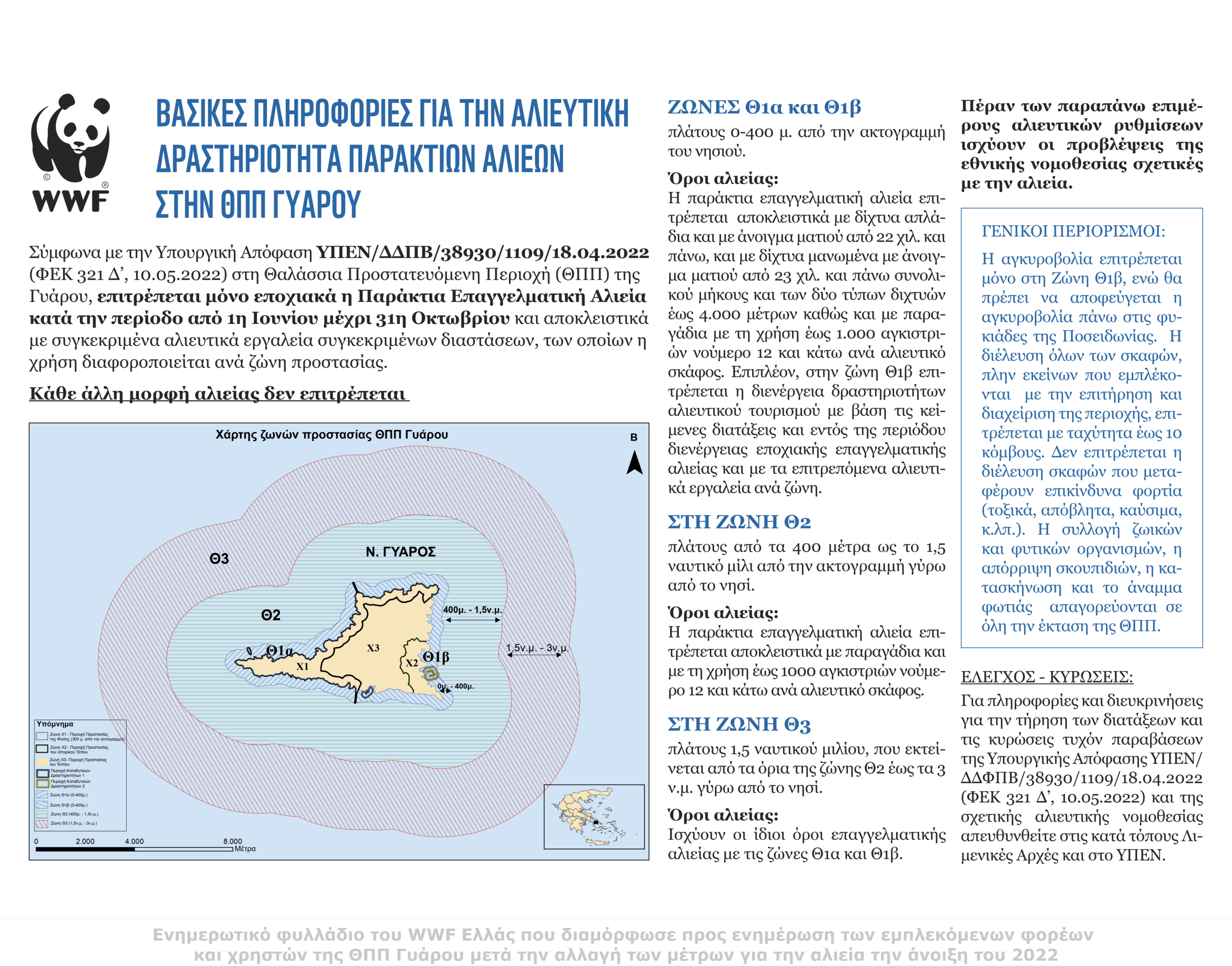
Consequently, local amateur and professional fishermen to fully realise that the System was in constant operation and that the Gyaros MPA was being continuously and actively monitored by the Field Team and the local Port Police Authorities. The following factors contributed to the high profile of the Remote Surveillance System amongst local communities and area users, and to the recognition of the Gyaros MPA as one of the best and most effectively protected MPA in the country:
The Successful Handover of the Remote Surveillance System
Right from the planning stage of the Gyaros MPA Remote Surveillance System, it was a strategic choice of WWF Greece to create the appropriate conditions for its organised handover to the competent authorities. Following nearly seven years of active and intensive involvement in surveilling the area by the WWF Greece Field Team, in April 2024 the handover to NECCA was successfully completed, whilst also providing the System’s Operational Plan and the pertinent patrolling procedures, as well as relevant training to the staff of the Central Aegean Protected Areas Management Unit (C.A.P.A.M.U.) of NECCA.
This ensured the smooth handing over and transition of the surveillance and guarding of the Gyaros MPA under the direct responsibility of NECCA, utilising the Remote Surveillance System, in collaboration with the Hellenic Coastguard.

NECCA, since 2020, when it was established by the enactment of Law 4685/2020 (Government Gazette A 92/7 May 2020), as a central government body, within the National Governance System for Protected Areas, has been tasked – amongst other things – with coordinating a series of actions, projects and procedures relating to the implementation of the policy set out by the Ministry of Environment and Energy (YPEΝ) for the management of Protected Areas in Greece, the conservation of biodiversity, and the promotion and implementation of sustainable development actions.
At the local level, NECCA oversees 24 Protected Areas Management Units (PAMUs), which, together with the Decentralised Administrations, the Regions and the Municipalities, form the Protected Areas Governance System at the regional level.
Based on the objectives and responsibilities of the Protected Areas Management Units (PAMUs), it follows that:
- they participate in monitoring the implementation of environmental legislation, as well as the specific rules and regulations relating to each protected area; and
- they must develop guarding plans for the PAs/MPAs under their jurisdiction, cooperate with the other competent bodies through Memoranda of Collaboration, and monitor their implementation
The Central Aegean Protected Areas Management Unit (C.A.P.A.M.U.) is responsible for 41 Natura sites, located mainly in the Cyclades archipelago and the surrounding area of Astypalaia (16 Special Protection Areas SPAs, 23 Special Areas of Conservation (SACs) and 2 SACs/SPAs). Among these areas is the Gyaros MPA. The European Natura 2000 Network of Protected Areas in the region covers approximately 375,000 ha, 70 per cent of which are marine areas. Consequently, the C.A.P.A.M.U.is responsible for monitoring over 35 islands and islets and 265,000 ha of sea.
This process, involving the transition from a ‘voluntary’ surveillance scheme (implemented by an environmental non-governmental organisation and its partners) to the competent government authorities, and the handover of the operation of a surveillance and guarding system of an MPA, on the one hand, has set a unique precedent for the conservation of similar Protected Areas throughout the country; on the other hand, it may serve as an example for other MPAs within the country, with a view to achieving effective management and an overall improvement in their protection.
a Memorandum of Collaboration for the protection of the Gyaros MPA
In order to ensure the successful transfer to NECCA, it was deemed necessary in 2022 by all parties involved to sign a new Memorandum of Collaboration for the utilisation of the integrated Surveillance System, with the aim to ensure the effective protection of Gyaros Island, between: 1) the Ministry of Environment and Energy (YPEΝ), 2) the Ministry of Maritime and Island Policy/Hellenic Coastguard (MMIP/HCG), 3) NECCA, and 4) WWF Greece.
According to the Memorandum, which was signed on the 1st of January 2023 for a period of one year, WWF Greece would provide all the manuals relating to the System, train authorised NECCA staff in its use and operation, and support both NECCA and the Hellenic Coastguard in drawing up the foreseen Guarding Plan for the protection of the Gyaros MPA, to ensure the long-term surveillance and guarding of the area.

The Memorandum sets out the role and responsibilities of each partner, and in particular those of NECCA, which undertakes to secure the necessary resources and is responsible for operating the remote surveillance system as well as guarding the Gyaros MPA, in collaboration with the Hellenic Coastguard. The Memorandum provides for close cooperation, as well as foresees the conduct of joint patrols by NECCA and the Port Police Authorities, in order to effectively prevent illegal activities.
Thus, with the signing of the Memorandum, an Operational Guarding Plan for the protection of the Gyaros MPA is being implemented, under which the competent and directly involved authorities are working together to ensure the long-term use and operation of the system, as well as the effective surveillance and guarding of the area, and consequently the protection of its natural environment.
Find out more about the Memorandum of Collaboration here.