Best Practice Guide on Surveillance and Guarding

The development and operation of a comprehensive surveillance and guarding programme for a Marine Protected Area requires a multi-level and structured framework of actions. The Best Practice Guide presented here, which is based on WWF Greece’s experience in the Gyaros MPA, is structured around four key phases:
Each phase has its own importance and contributes to the programme’s effectiveness.
Planning
The Planning phase forms the core of the development of a reliable and functional surveillance and guarding programme in a Marine Protected Area (MPA), such as that of Gyaros. It involves a detailed understanding of the current situation in the area, as well as the identification of the key parameters that will determine the technical and operational aspects of the system. Within this framework, critical constraints were identified and realistic timetables were developed. At the same time, the requirements for human resources and technological equipment were defined, whilst the necessary process was developed for the appropriate staffing of the Field Team. Although the need for immediate implementation did not allow for full-scale pilot schemes, this phase laid the foundations for the practical operation of the programme as a whole.
Assessment of the current situation
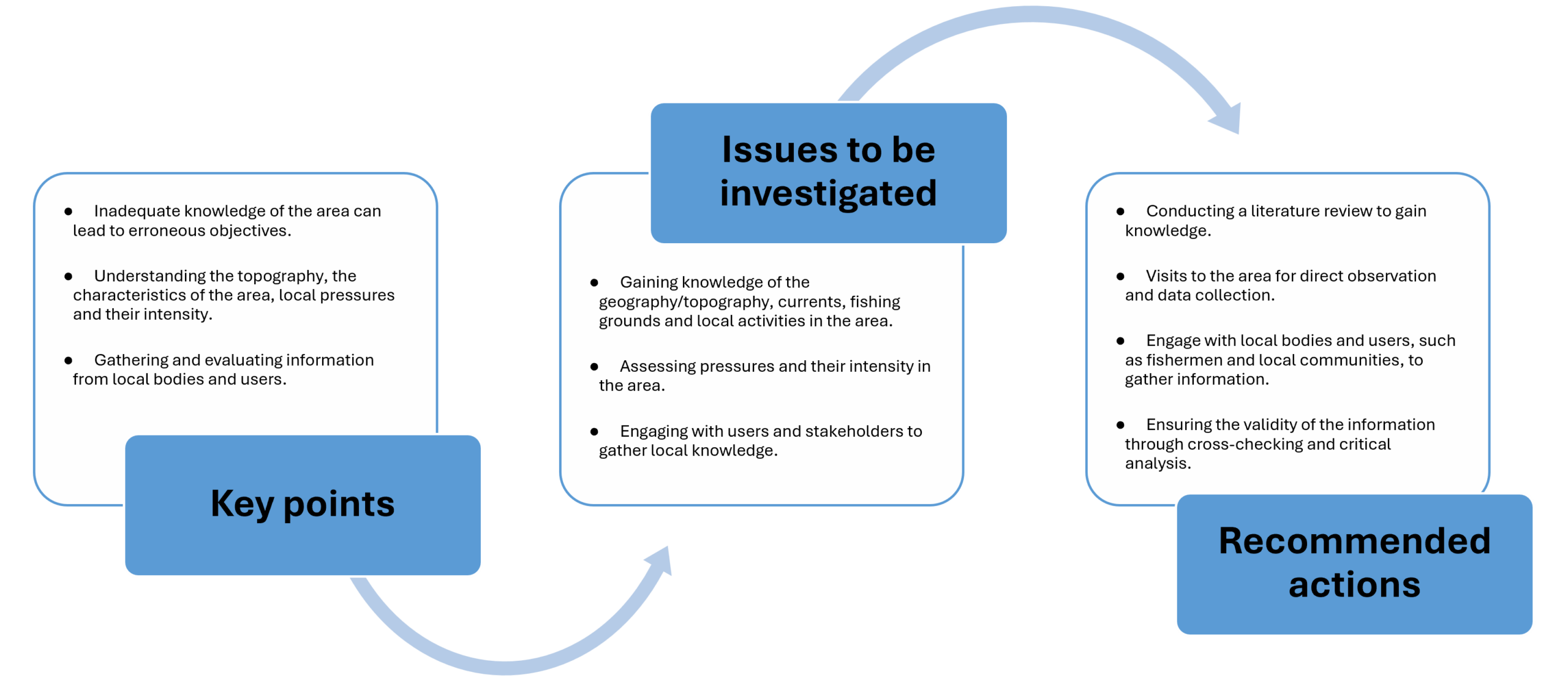
In-depth knowledge and understanding of the area of interest during the design phase of a surveillance system is fundamental to the subsequent successful surveillance and guarding of an MPA. The lack of knowledge regarding the ecosystem, topography, climatic conditions and human activities can lead to unclear objectives and ineffective management.
An assessment of the current situation must include mapping the area and the ecosystem, recording local human activities and evaluating the pressures exerted on the ecosystem.
In our case – for the design of the remote surveillance system for the Gyaros MPA– the initial limited knowledge of the area hampered not only the initial design but also the early stages of the system’s installation and operation. However, through the gradual collection of data – both from the literature and from local bodies and users of the area – and with the increasing presence of the WWF Field Team in the wider area, we were able to fill these gaps relatively quickly and adapt our strategy and actions accordingly.
Prerequisites and constraints
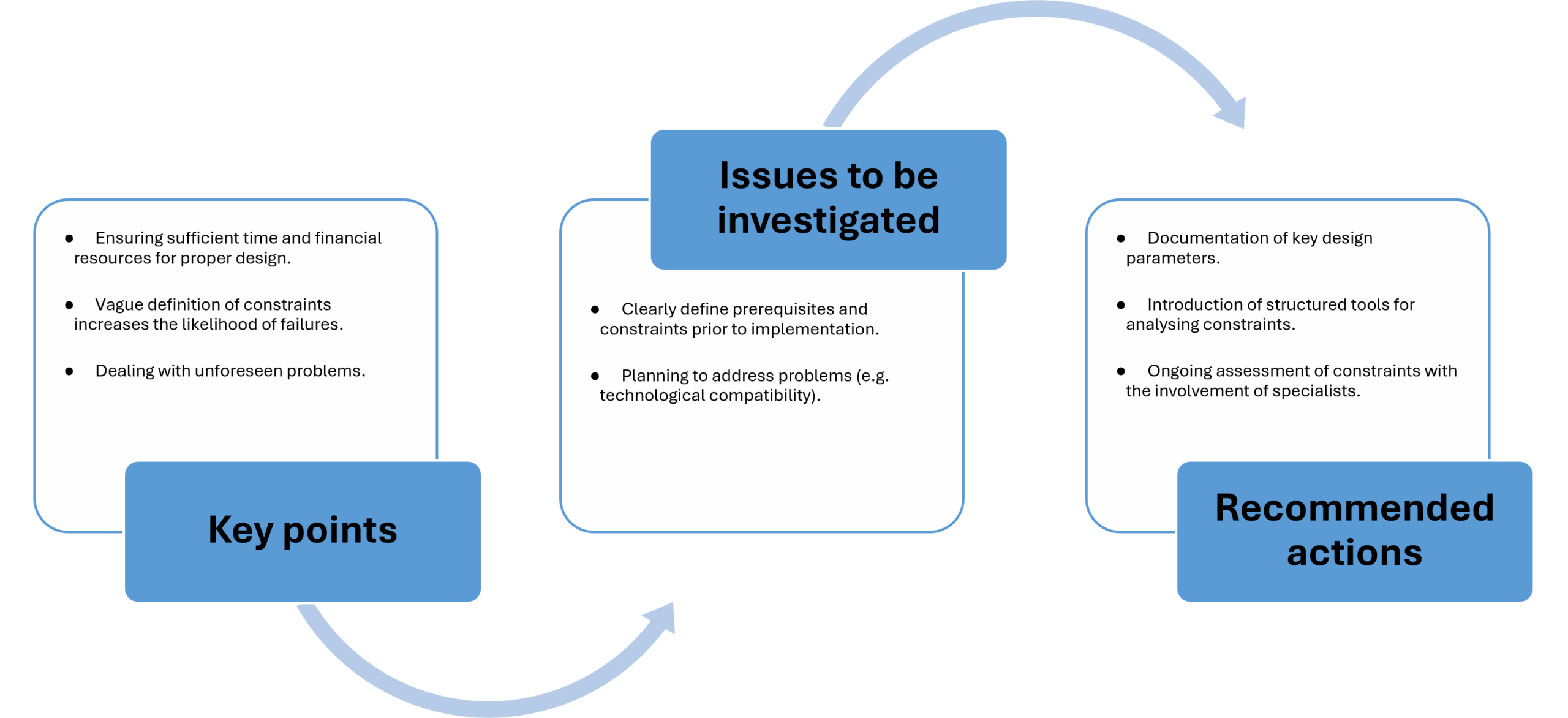
Clearly defining the prerequisites and constraints arising from the area’s institutional framework or from the nature of the body undertaking such a project is essential for the successful development of a surveillance system for an MPA. During the planning phase, failure to clearly define critical parameters, such as time and available resources, can create obstacles, such as insufficient funding, inadequate staffing and difficulties in implementation. Equally important is the development of a realistic timetable, which must take into account any constraints and prerequisites, so as to allow for the efficient development of the surveillance system and to provide sufficient time to address potential difficulties (e.g. licensing procedures).
In our case, the time constraints imposed by the timetable of the funded project affected to some extent adequate preparation, whilst the lack of a structured analysis of the constraints led to some unforeseen difficulties during implementation. Nevertheless, an effort was made to incorporate these constraints into the subsequent design stages and during implementation.
Key design parameters
The successful implementation of a remote serveillance system for an MPA requires consideration of various critical parameters that influence both the design and implementation phases. The following parameters shape the operational framework of the Remote Surveillance System and influence the effectiveness of surveillance and guarding actions:
- Responsibilities, mode of operation and dynamics of the implementing body: It is crucial to take into account the capabilities and limitations arising from the nature of the body that will implement a surveillance and guarding programme at an MPA. Different approaches are applied depending on whether the implementing body for the Remote Surevillance System is an NGO, the Coastguard, NECCA, or some other private or public organisation, as each body has different responsibilities as well as different operating protocols and capabilities.
- Available time and resources: Realistic planning is required so that, depending on the objectives and the anticipated duration of implementing a surveillance system, as well as the available resources (financial and human), the needs that arise are not underestimated.
- Technology management: The selection of appropriate technological tools must take into account both the operational requirements for surveilling the MPA and the technical specifications of the equipment to meet these requirements, whilst also considering how easy it is for staff to learn how to use it.
Timetable and planning procedures
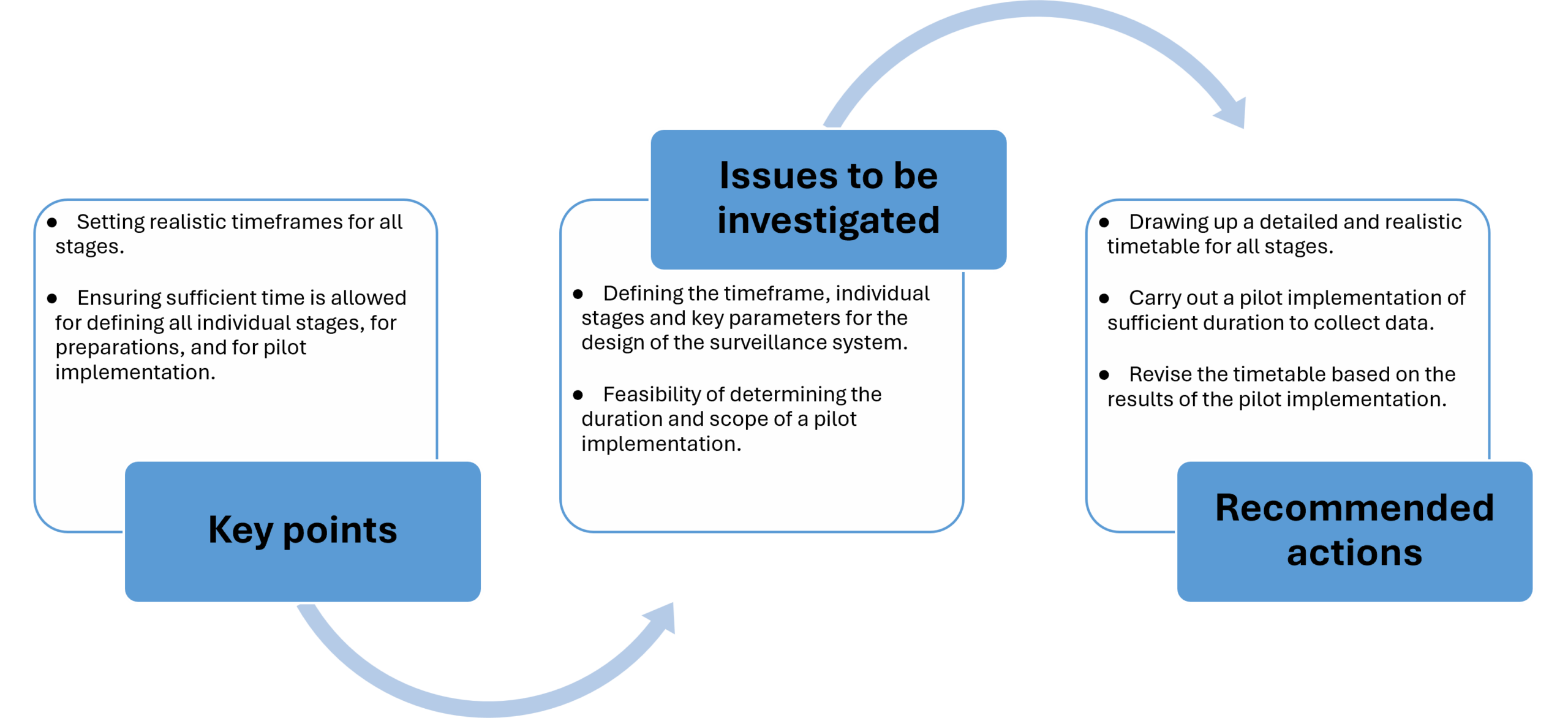
The planning of actions and of the timetable are essential tools for ensuring the smooth implementation of all subsequent stages in the installation and operation of a surveillance system. The timetable must be drawn up on the basis of realistic data. It is particularly desirable to carry out pilot projects that will provide additional data – under real conditions in the field – and identify potential obstacles and organisational and technical gaps, which will prove invaluable for the subsequent stages of installation and full-implementation.
In our case, the speed at which the design progressed, without a full understanding of the licensing requirements, local conditions and available new technologies, created a number of obstacles that had to be addressed in the subsequent installation and implementation phases, resulting in the need to invest more time and incur higher costs. A typical example in the case of Gyaros was that, in the early stages of planning, the need to obtain permits from the Public Property Company (ETAD), which owns the island, for the installation of the system at the summit of Gyaros was not foreseen. When this process was subsequently initiated, the permit approval by the ETAD took 8 months. A similar example was the fact that it had not initially been anticipated that, in order to install the system on Gyaros, the site would need to be cleared of unexploded ordnance by the Greek Army – an additional complex and demanding process that took nine months to complete.
Design and implementation of pilot projects
Pilot projects serve as test runs that enable the initial evaluation of selected practices, the identification of potential problems, and the adaptation of the development of the final Remote Surveillance System. To make the best use of a pilot project, it is crucial to have evaluation stages in place and to define clear, interim milestones to ensure the effective progress of the project. These measures enable the early detection of potential problems and the implementation of corrective actions where necessary. In this way, a pilot project serves not only as a testing stage, but as a dynamic optimisation tool, enhancing the functionality of the final system and reducing the risk of failure. To achieve their purpose, they require:
- Additional time for adjustments and revisions, so that findings from pilot implementations and any necessary improvements that arise can be incorporated. It is particularly important to systematically document these findings to ensure that the knowledge gained is utilised and that processes are optimised in subsequent stages.
- Sufficient resources, both financial and human, to ensure the smooth implementation of both the pilot project and the full roll-out of the Remote Surveillance System.
- Specialised external experts, who can contribute to the appropriate design of the pilot project, address technical and managerial challenges, and support the subsequent overall design for the proper final implementation of the System.
In our case, the pace at which the design progressed, given the obligations and time constraints of the funded project, did not allow for the implementation of pilot trials. This created a number of obstacles and unforeseen developments that had to be addressed gradually during the subsequent installation and implementation phases, with the result that the Field Team had to invest more time and effort in making the necessary adjustments and resolving any problems.
Human resources
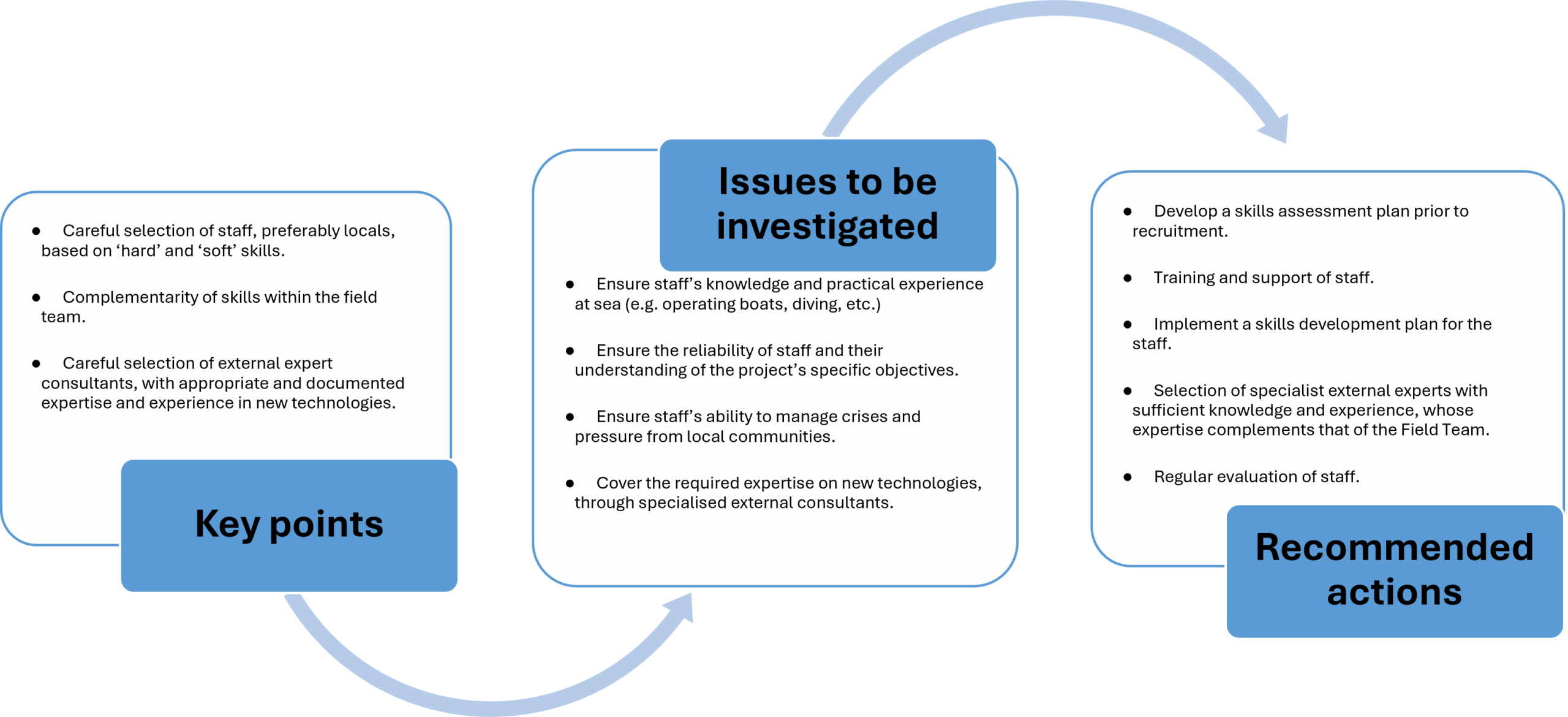
The selection of suitable staff to implement the surveillance project, as well as appropriate external expert consultants, is a key factor in the project’s success. The selection of staff must focus on knowledge and practical experience in operating speed-boat vessels and a good knowledge of the area in question. The selection of external consultants must focus on expertise in new technologies and on skills that complement those of the organisation’s staff.
In our case, the staff who made up the WWF Field Team were selected on the basis of their experience and knowledge of the area; however, due to the local nature of the project, there were difficulties in finding experienced candidates with the required qualifications, an issue that was addressed – in part – through on-the-job training and support for the Field Team from external experts.
Staff knowledge and skills
The knowledge and core skills required of the staff who will make up the Field Team include:
- Technical knowledge and experience: adequate experience working in maritime professions and maritime activities; certified competence and experience in operating speedboats and sailing boats, diving equipment and Unmanned Aerial Vehicle (UAS), as well as basic knowledge of marine engineering and vessel maintenance.
- Knowledge of fishing methods and marine biology: it is important that the staff possess a basic understanding of the fishing methods used in the area and, ideally, understand some basic principles of marine biology, so that they can apply critical thinking and judgement to assess both human-related and natural events in the field, skills that enhance the Team’s surveillance effectiveness.
- Knowledge of local culture and social context: familiarity with and knowledge of the marine environment and local weather conditions, understanding of local social conditions, and the ability and willingness to build relationships with stakeholders.
- Familiarity with new technologies: ability and flexibility in using innovative technological tools.
Other skills: flexibility, reliability, directness in communication, a strong commitment for safety, experience in crisis management.
Technological equipment and other resources
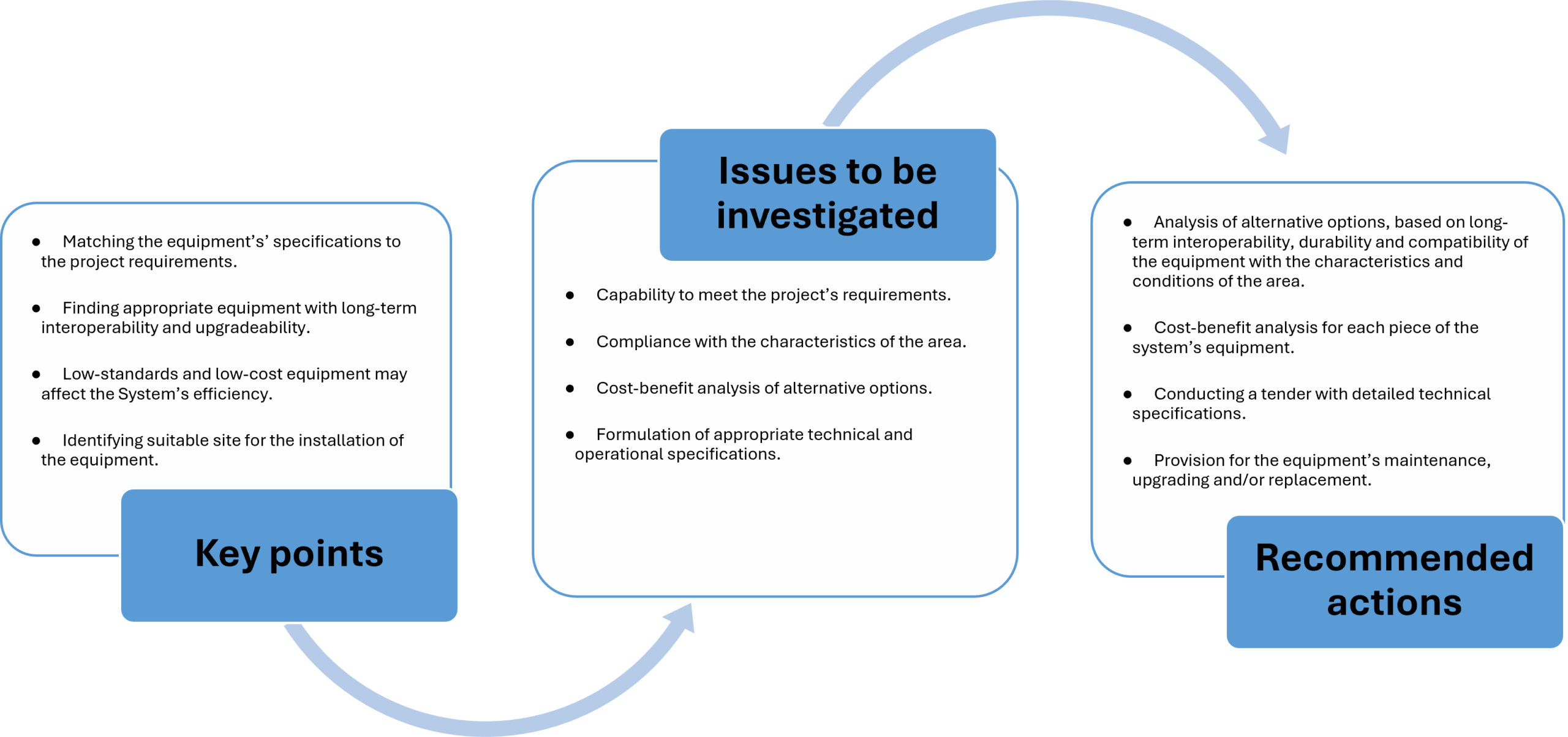
The documentation of necessary resources during the design phase of a surveillance system must include, at a minimum, an analysis of the technological and human requirements on the basis of which choices will be made regarding the technological equipment, the Field Team’s vessel, as well as any additional field equipment relevant to the project’s overall functionality and the Team’s safety. A key additional factor that must be taken into account during the design phase is the interoperability of the individual pieces of equipment, their upgradeability, and the foreseen cost for maintenance and/or replacement.
In our case, the Surveillance System’s overall equipment was designed in detail by the Project Coordination Team and the Field Team, with the assistance of a specialist external consultant. The equipment was selected to meet the specific needs of surveilling the Gyaros area, taking into account the characteristics and conditions of the area (remoteness, size and topography, lack of infrastructure and networks, etc.) and within the constraints imposed by the project’s original budget. Overall, the technological choices made met the project’s needs to a satisfactory degree, although gaps were observed in the ability to maintain and upgrade the equipment, due to budget constraints.
Remote Surveillance System Equipment
Selecting the appropriate technological equipment for the installation of a remote surveillance system at an MPA is a complex and demanding undertaking that requires the contribution and involvement of specialist technicians from various disciplines with expert knowledge of available relevant technologies. The specifications of the system and its individual components must adequately meet and cover the surveillance needs of the specific MPA, based on its characteristics, as well as the current prevalent human uses and pressures on the area. Furthermore, key factors that should be taken into account during the design phase include the robustness, service life and long-term interoperability of the individual equipment components, their upgradeability, and the cost of their maintenance and/or replacement.
In our case, the equipment for the Remote Surveillance System was designed in detail by the project’s Coordination Team and the Field Team, with the assistance of an external consultant specialising in new technologies. An indication of the difficulty of the undertaking is that the process of designing and finalising the specifications for the System’s equipment took approximately 9 months. The necessary equipment was selected to meet the specific needs of surveilling the Gyaros marine area, taking into account the requirements arising from its isolation from the neighbouring islands, its size and topography, and the lack of other infrastructure and networks, within the budget originally foreseen and allocated in the project.
It is important to note that the innovative nature of the Remote Surveillance System and the difficulty of accessing the installation site made the task of finding a suitable specialist contractor, for supplying and installing the System, particularly challenging. Typically, projects of this kind are carried out by public bodies responsible for public safety (e.g. the police, the coastguard), in areas that are more easily accessible and with a significantly larger budget, meaning that existing specialist contractors with the relevant expertise and experience do not usually undertake the supply and installation of ‘small-scale’ systems, such as that for the Gyaros MPA. It is indicative that, in the open tender held to supply and install the equipment for the Gyaros project, only one contractor submitted a bid, and was therefore selected, as it met the necessary requirements and its team included suitable partners with the specific specialisation and experience required.
High-speed patrol boat
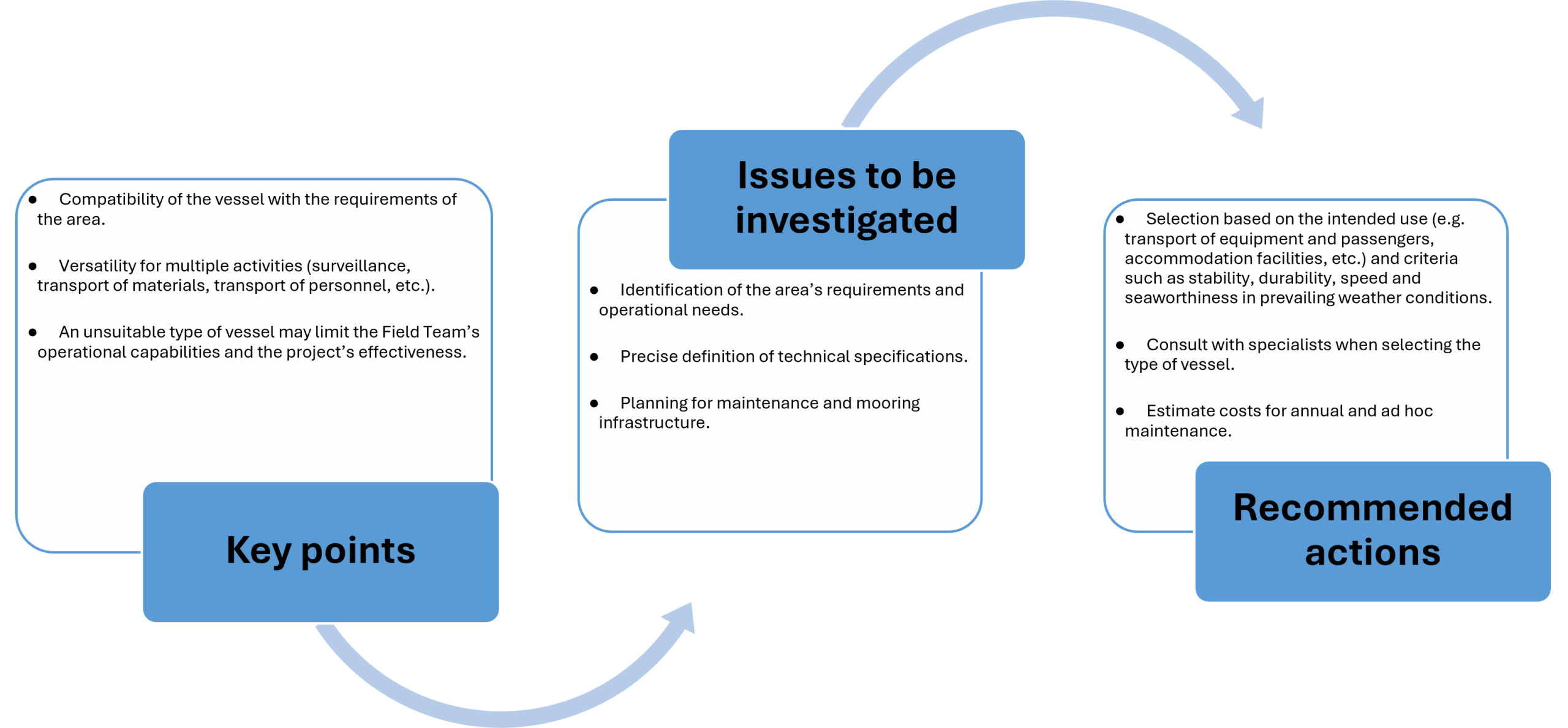
Selecting the appropriate vessel for use in a surveillance and guarding project within an MPA is a process of crucial importance for the operational capability and effectiveness of the field team responsible for maintaining a continuous presence and for carrying out immediate interventions within the MPA. The vessel’s specifications must adequately meet and cover the requirements for rapid deployment and safe navigation within the specific MPA, taking into account the characteristics and weather conditions of the area in question. Furthermore, key factors that should be taken into account when selecting the vessel are its durability and seaworthiness, as well as the costs of its maintenance, insurance and mooring.
In our case, the choice of vessel was made by the Field Team and the Project Coordination Team and was based on the project’s operational needs, taking into account the conditions prevailing in the Northern Cyclades. The choice of a high-speed, inflatable boat with an outboard motor was made on the basis that its primary purpose would be to patrol the Gyaros MPA, so speed was a decisive factor; at the same time, it was suitably configured so that it could also serve other field-work needs. Although the initial budget of the project did not provide for this, for reasons of safe navigation, better surveillance of the area, and the safety of the Field Team, the vessel was gradually fitted with additional instruments and portable equipment (e.g. marine radar, GPS, a night-vision spotlight, a sun canopy, an auxiliary engine, life-saving equipment, a trailer, etc.), resulting in a 20% increase in the budget. The vessel selected, which has been in service for over 10 years now, proved suitable for the projct, but its maintenance and insurance presented challenges, as these costs had not been fully estimated in the initial project budget.
Field equipment
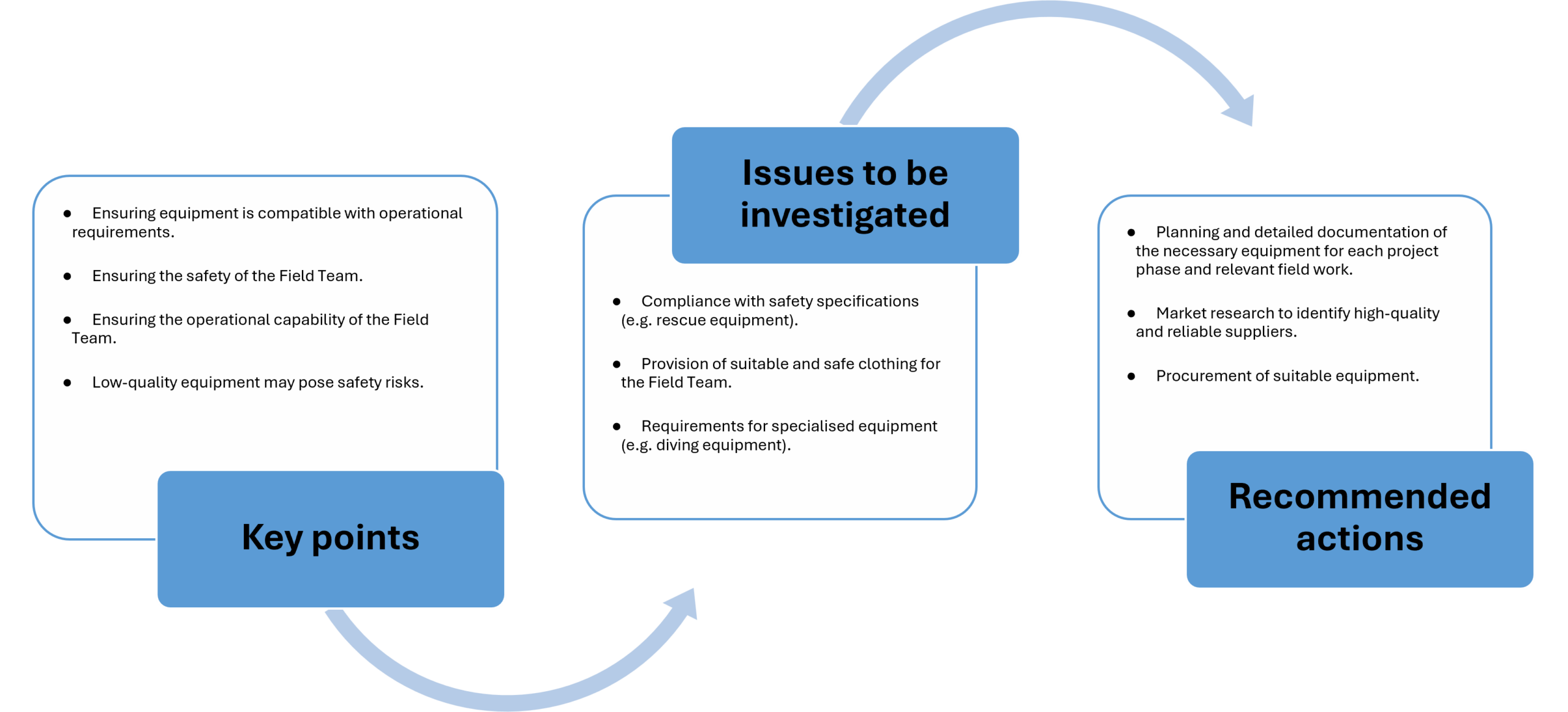
The operation of a team in the field, and particularly at sea, where it is required to carry out a surveillance and guarding project in an MPA, requires thorough planning and effficient procurement of suitable field equipment. The equipment should include suitable clothing and footwear for all seasons to ensure the comfort and safety of the field team, as well as any other necessary equipment for specialised activities (e.g. diving, mountaineering, etc.) that may arise whilst surveilling and guarding the MPA.
In our case, the project’s initial budget did not include a specific provision for the procurement of field equipment. Nevertheless, during the planning phase of the project’s implementation, a detailed inventory of the necessary field equipment was drawn up, taking into account suitable clothing and footwear for the Field Team to cope with the adverse conditions of the region’s marine and terrestrial environments (e.g. all-weather raincoats, mountaineering equipment, etc.), the need for diving operations, and the safety requirements for the Team’s operations and communications in the field (e.g. portable GPS devices, radios, first-aid kit, diving safety equipment, etc.). Although this equipment had not initially been planned for, its procurement proceeded gradually so that the Field Team could operate safely, comfortably and effectively. At the same time, the Team’s needs for additional field equipment were reassessed on an annual basis, and new supplies were procured accordingly to ensure that basic requirements and needs were adequately met.
Contents
Installation
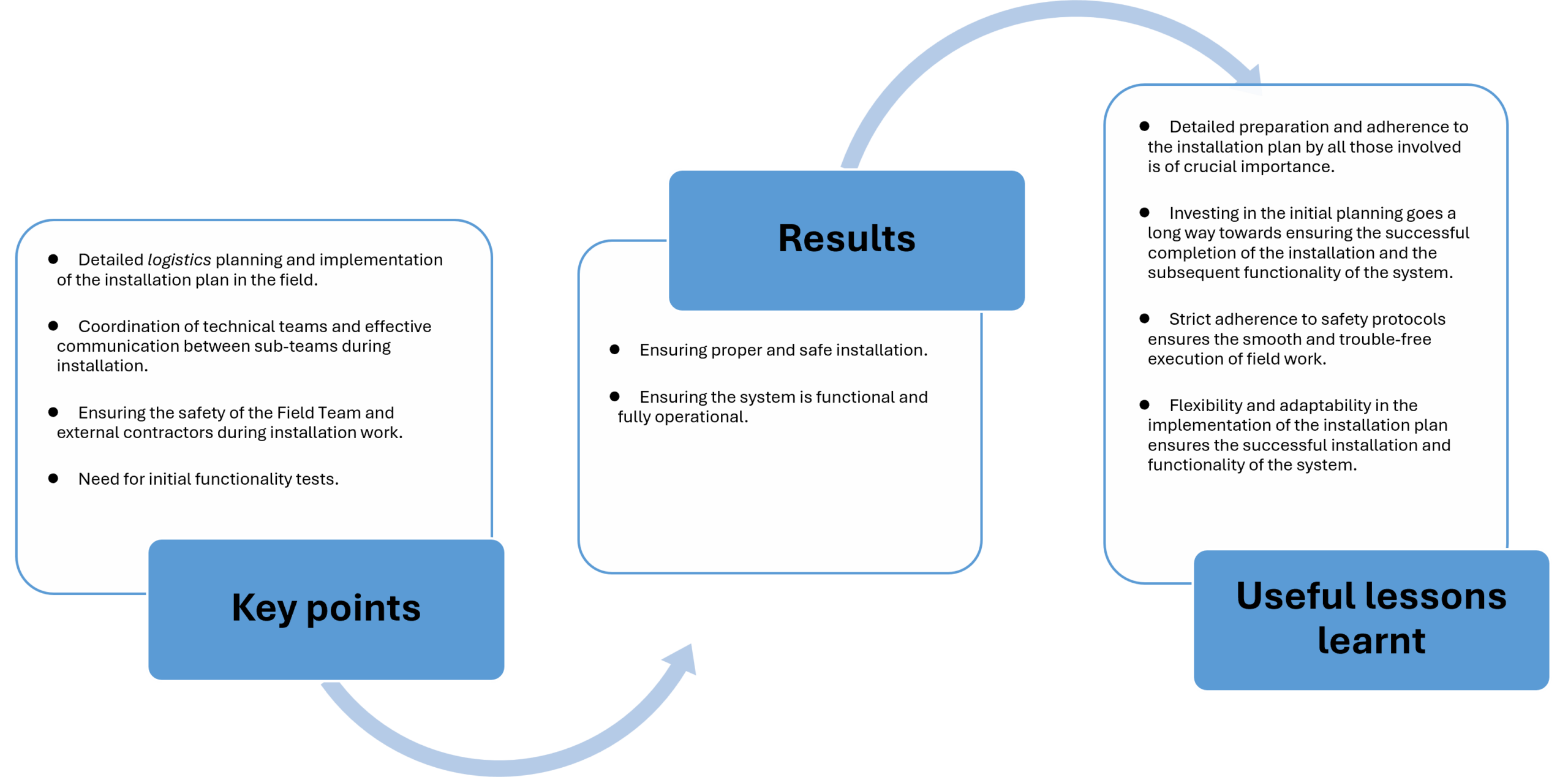
The installation of the Remote Surveillance System at the Gyaros MPA was a particularly challenging undertaking, due to the remoteness of the area, the lack of infrastructure and the need for parallel technical work at different locations (Gyaros and Syros). This phase involved drawing up a detailed action plan, managing procurement and licensing procedures, staffing the field team and carrying out the actual on site installation work. Each step was accompanied by technical specifications, a realistic cost and time estimate and a forecast of potential obstacles and risks. On site, the installation required the coordination of multiple technical teams, planning for food supplies and overnight accommodation for a multi-day installation expedition, the transport and assembly of large and heavy equipment under difficult conditions, as well as performing several system functionality tests to ensure its operational functionality. Experience has demonstrated the need for strict adherence to protocols, whilst also maintaining flexibility to adapt to unforeseen circumstances or problems.
Planning
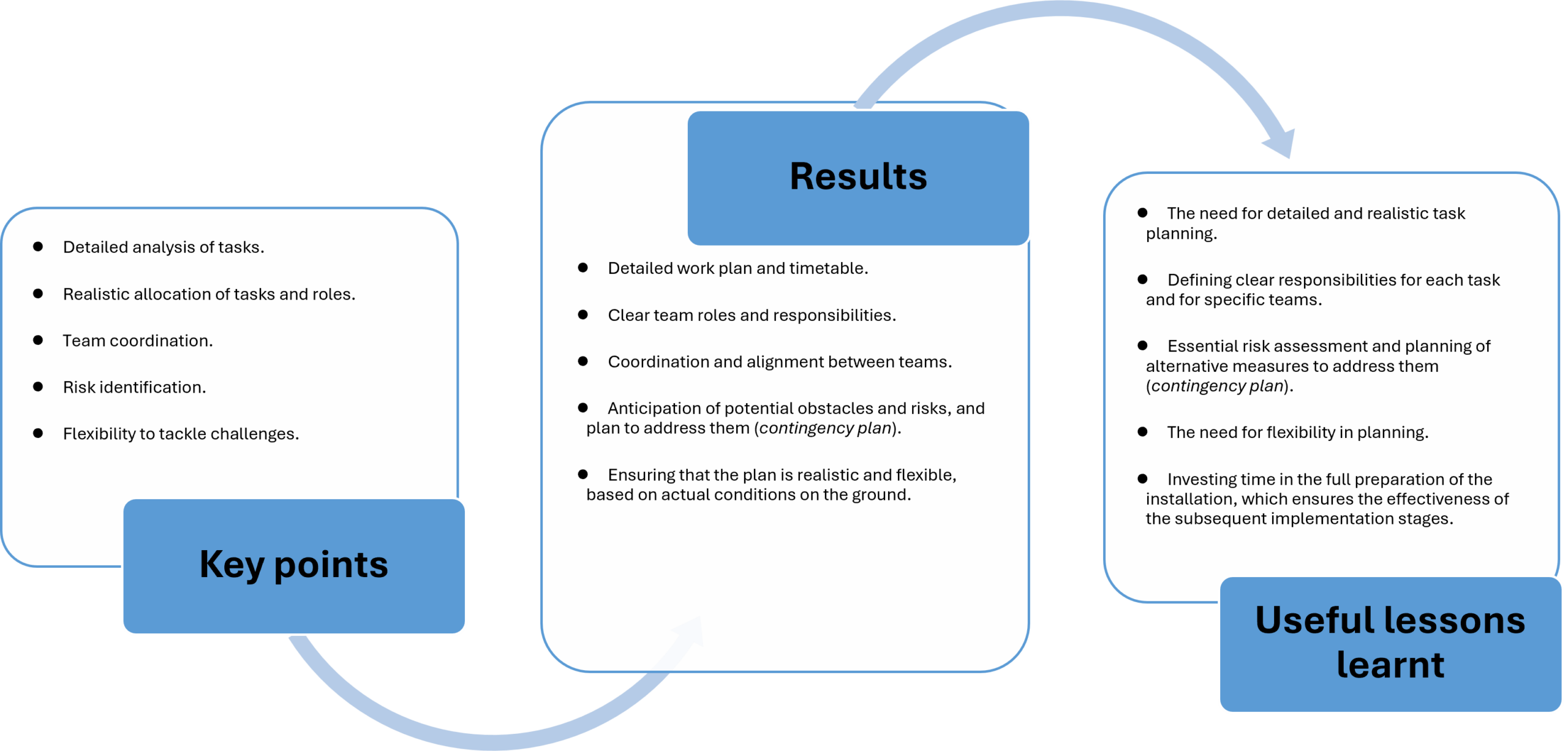
In our case, the analytical design and detailed planning of the individual (workstreams) and the clear allocation of responsibilities between members of the Field Team and the various external collaborators were key factors in the successful installation of the Remote Surveillance System.
Given that the installation of the individual components of the System’s equipment required work to be carried out simultaneously in at least four different locations on Gyaros and Syros, combined with the fact that the main equipment to be installed at the summit of Gyaros, an area without direct access, was particularly bulky and extremely heavy, the whole undertaking was exceptionally demanding.
In order to plan all the necessary individual tasks, address all the relevant technical, practical and managerial aspects, and develop contingency plans for potential malfunctions and risks, the Field Team, together with the project’s Coordination Team, in collaboration with the external contractor, invested a significant amount of time in drawing up a detailed and realistic installation plan ansd schedule. The plan described in detail each work ‘package’ and the individual steps and requirements of each task, whilst clearly defining the specific roles and responsibilities of each team (Field Team, the contractor’s different technical teams, etc.). At the same time, potential obstacles and risks were identified, and alternative scenarios for addressing them were outlined (contingency and emergency plans).
An indication of the scale of the project was that the installation work in Gyaros alone would involve a total of 25 different individuals (Field Team, the contractor’s specialist technicians, labourers, support staff, security personnel), required the deployment of four different vessels and one helicopter, and the establishment of a work camp on Gyaros island for the teams to stay and work, for an estimated period of 10–15 days.
Lastly, appropriate flexibility and enough room for adjustments were built into the plan to address, if necessary, any unforeseen challenges or changes that might arise in the actual field conditions during the installation. Although the relatively strict constraints of the timetable and the resources foreseen in the project limited to some extent the flexibility of the final plan and schedule, the team made the necessary adjustments to ensure there was sufficient space and time so that the final plan was considered by all involved as comprehensive, appropriate and feasible.
Permits
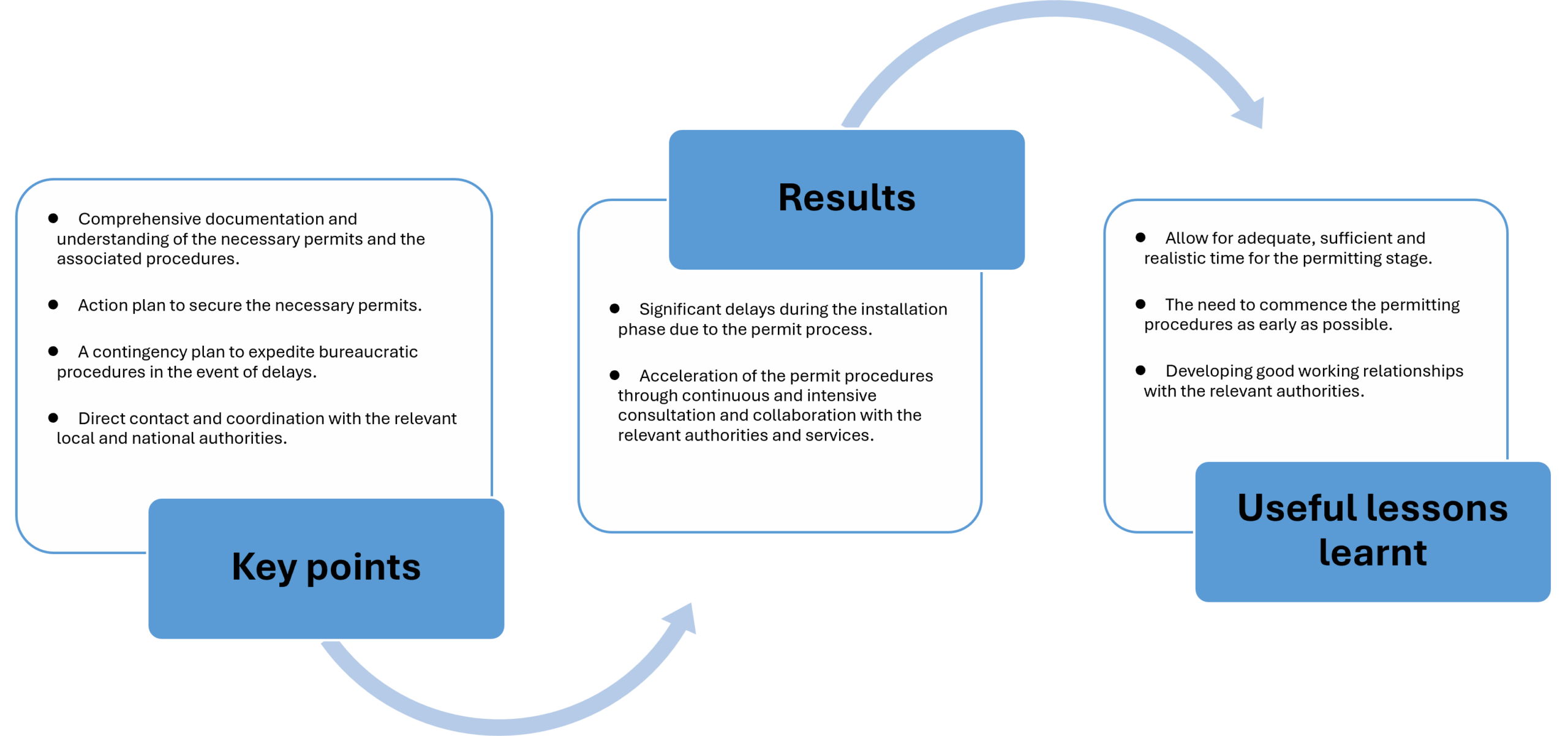
Securing the necessary permits for any project, and especially for the installation of equipment within an MPA, is an essential and important process which, although it requires considerable time and resources from the organisation carrying out the project, is usually underestimated and not realistically factored into the planning. This often results in bottlenecks and delays in implementation.
In our case, the process of acquiring the necessary permits for the installation of the Remote Surveillance System and its individual components in Gyaros and Syros islands was particularly time-consuming and was significantly affected by the involvement of many different government authorities and departments, the complexity of the relevant bureaucratic procedures, and, in particular, by the innovative nature of the project.
A characteristic example was that, in order to install just one component of the System’s equipment – specifically the data receiver and transmitter at the antenna ‘Tower’ on Syros ialnd – it was necessary for four departments of Syros Municipality to be involved and for the Municipal Council to meet twice before the relevant installation permit was approved, five months after the process began. Similar delays were encountered at almost every stage of the various permitting procedures.
Despite the difficulties, the project’s Coordination Team managed, albeit with delays, to secure all the necessary permits for the System’s installation, through continuous and persistent communication and cooperation with the relevant authorities.
Procurement of equipment
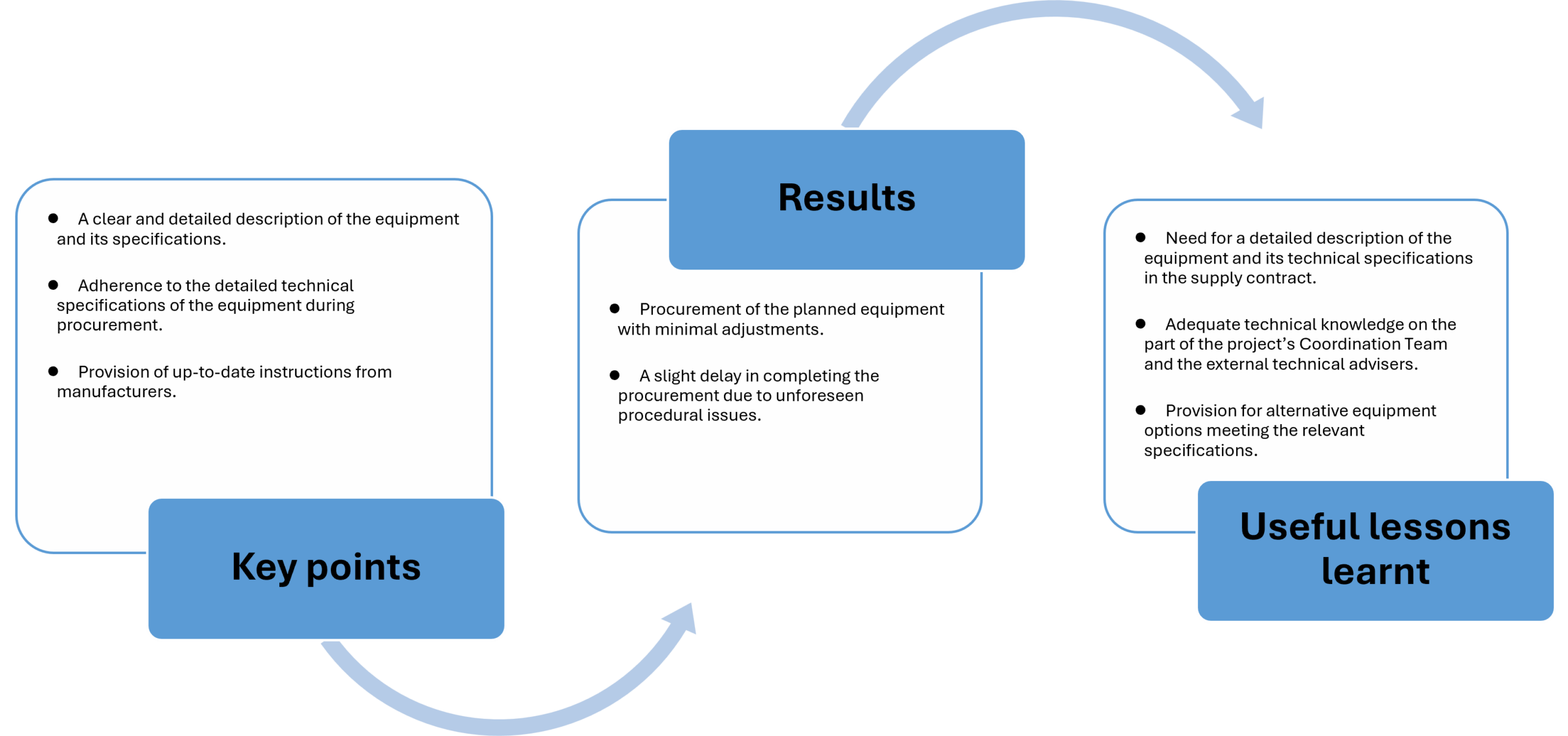
In our case, the contractor supplied the equipment without any particular problems, in accordance with the detailed technical specifications set out in the relevant contract. However, the completion of the supply of all individual items of equipment, as well as their inspection and acceptance, was delayed by approximately three months due to procedural issues (the procurement period coincided with the period of capital controls imposed in Greece, which made it difficult for the contractor to order and procure specialised equipment from overseas suppliers). Nevertheless, the procurement was completed and all the equipment was delivered, as planned, to meet the project’s requirements.
Staffing
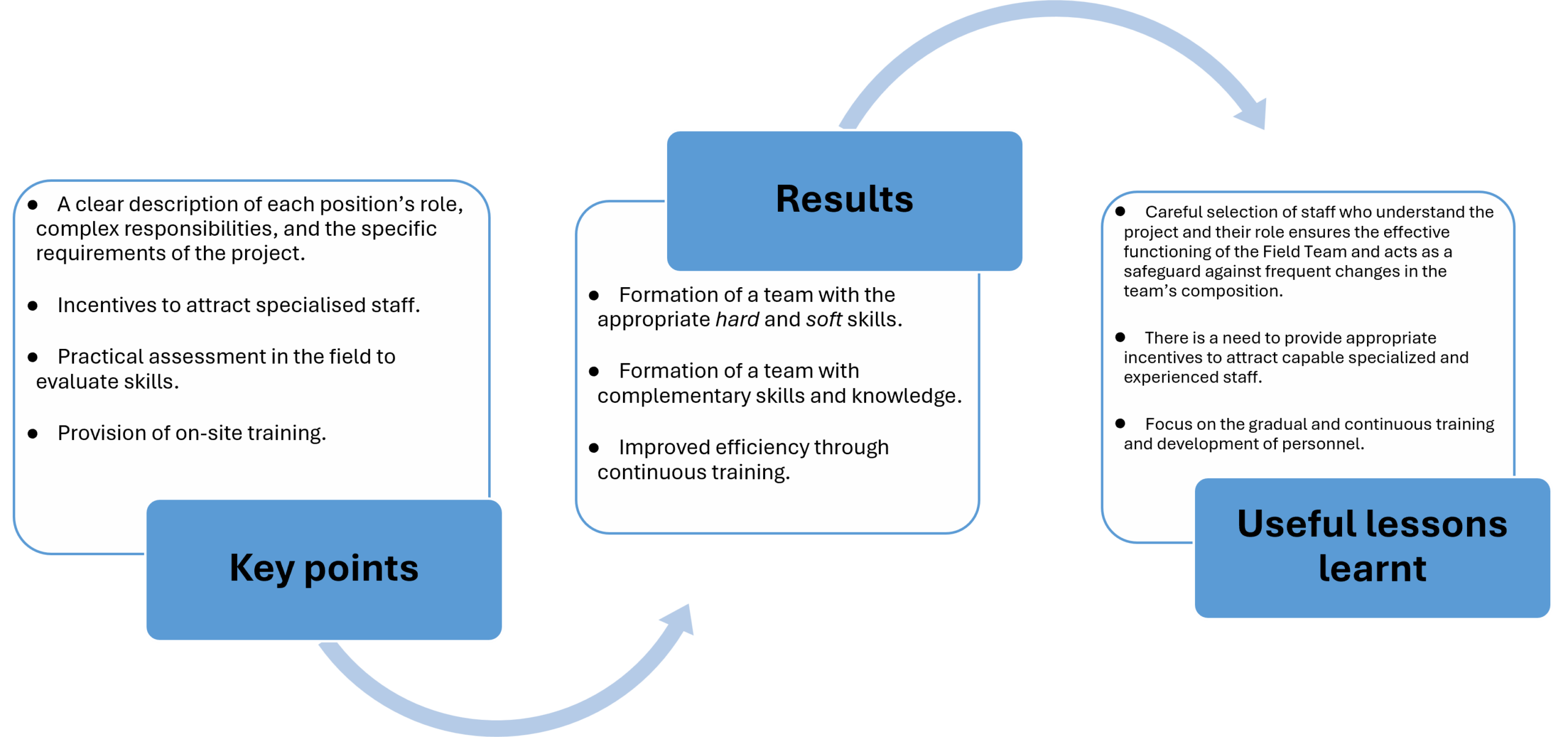
In our case, the recruitment of personnel for the Field Team focused on individuals specialising in the operation of vessels, diving equipment and monitoring technologies, as well as the good knowledge of local conditions. Finding suitable local staff was not easy, due to limitations in local availability, which resulted in the full composition of the Field Team to be finalised gradually. At the same time, investment in ongoing, hands-on training was instrumental towards filling any knowledge gaps that existed.
Field deployment
In our case, the installation of all the equipment on-site was based entirely on the plan that had been drawn up and included detailed planning of the transport of the equipment to the individual installation points, the work plan and logistics procedures, and the technical solutions for installing and connecting the equipment. The initial installation of the equipment had to be postponed and rescheduled twice due to adverse weather conditions.
Despite the difficulties posed by the conditions in the region and the lack of infrastructure and networks, the installation mission was carried out with great success and without any significant problems; indeed, it was completed in considerably less time (6 days instead of the 10 originally estimated) than envisaged in the initial plan. During this period, almost 4 tonnes of equipment were transported from Athens to Syros to Gyaros; approximately 25 people worked and lived in Gyaros; and all the individual pieces of equipment were installed and connected at four different locations in Gyaros and on Syros islands.
A key factor in the success of this exceptionally challenging undertaking was the strict adherence to the work plan that had been prepared and the effective coordination of the various technical teams by the Field Team and the contractor’s designated coordinator.
Testing and adjustments
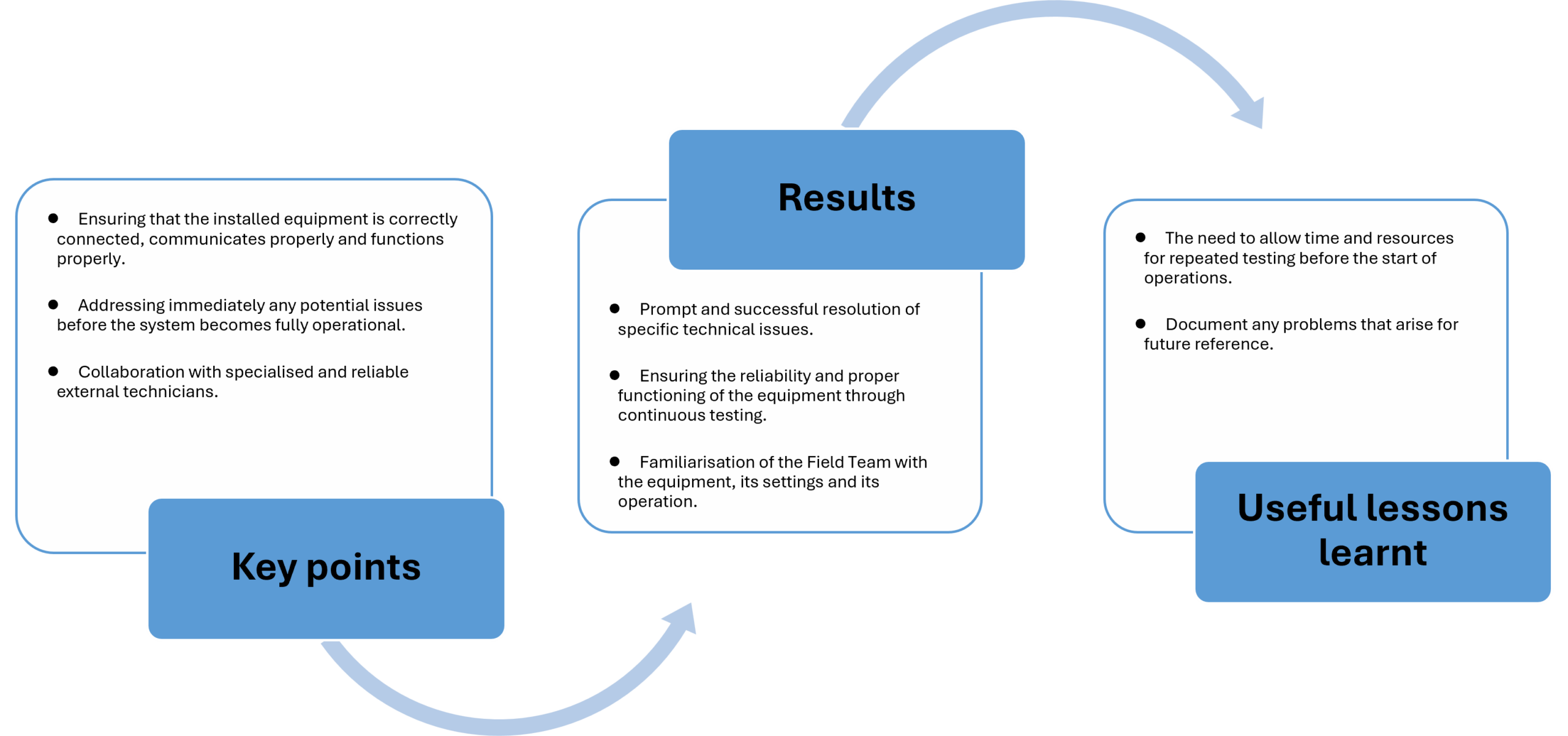
In our case, given the complexity of the Remote Surveillance System, the installation of its individual components at different locations (Gyaros and Syros islands) and the crucial role played by the connections and communication between the various installation sites, the need for testing and minor adjustments was imperative. Repeated functional tests of the individual pieces of equipment and of the effective communication and data transmission between them proved crucial for verifying functionality and effective operation and for resolving specific problems. The tests and checks carried out with the assistance of the contractor’s specialist external technicians, supported by the Field Team, revealed various technical dysfunctionalities that needed to be resolved. The importance of this phase is illustrated by the fact that the total time taken for testing and rectification was approximately 6–8 weeks, far exceeding the time required for the actual installation of the system itself.
Cooperation with competent authorities
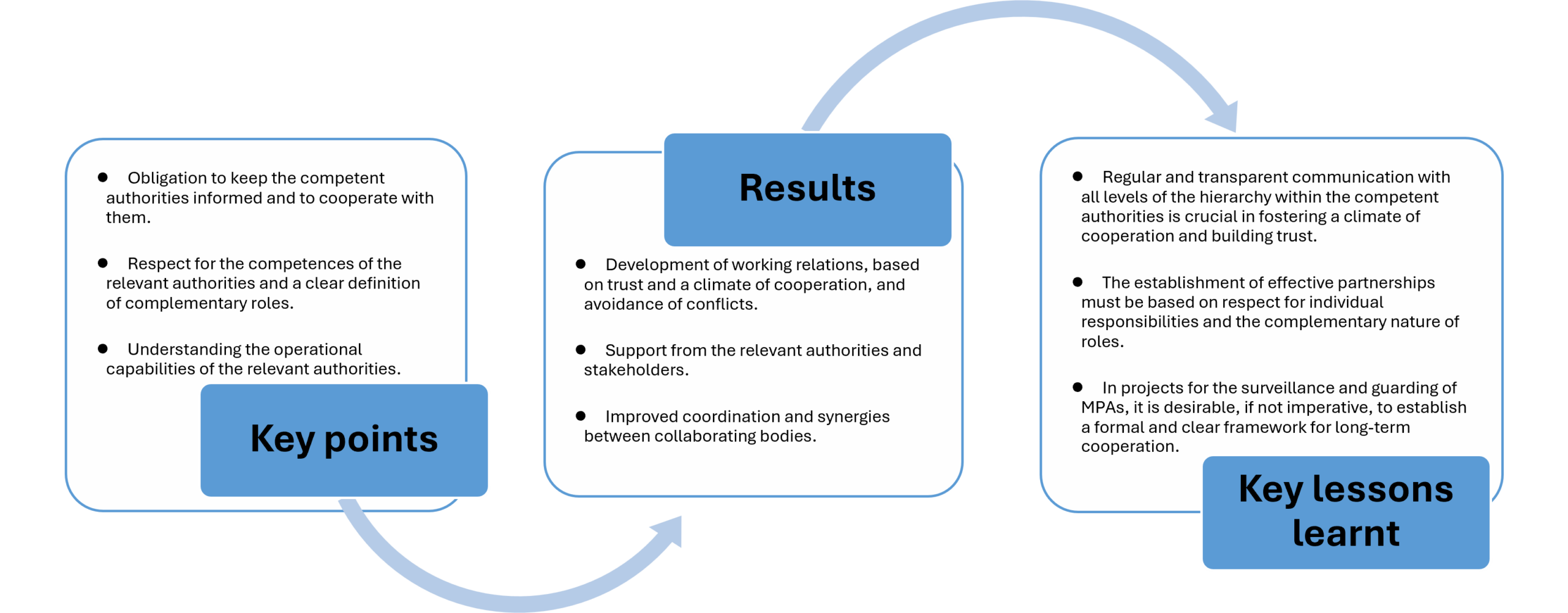
In any project involving the surveillance and guarding of an MPA, the body taking the initiative to implement it must inform and cooperate with the competent state authorities and any other relevant stakeholders. Establishing effective cooperation with the parties involved requires timely and open communication, with a clear description of the purpose, objectives and actions of any initiative. The competent authorities’ own responsibilities, priorities and capabilities must also be assessed and be taken into account, so that any proposals for collaboration and potential synergies are based on clear, distinct and complimentary roles and on achievable, realistic objectives.
In our case, during the preparation and installation phase of the Remote Surveillance System, the key competent authorities and stakeholders were the Ministry of Environment and Energy, the Ministry of Maritime and Island Policy/Hellenic Coastguard, and in particular the Syros Port Police Authority, as well as the Municipality of Syros. The project’s Coordination Team, at an early stage, made contact with the above bodies, briefed them in detail on the project and its design, and explained that the aim of the System and the project as a whole was to establish an innovative mechanism that would contribute to and assist the competent authorities in protecting this specific area. Cooperation with the relevant bodies has strengthened over time, whilst through regular and transparent communication with them, and working relations, based on trust and a willingness to cooperate closely, have gradually developed. Consequently, it was agreed that the cooperation and collaboration with the Ministry of Environment and Energy and the Ministry of Maritime and Island Policy/Hellenic Coastguard would take the form of a Memorandum of Understanding for this specific project.
Implementation
The implementation of the surveillance and guarding project and the operational procedures in the Gyaros MPA was based on a phased approach, with distinct phases (initial, pilot, full operation) and predefined operational objectives. Operational standards were developed, which clearly defined the daily operational steps of the Field Team, crisis management, data recording, procedures for communicating with the competent authorities, and the handling of non-compliance incidents. The implementation also included public awareness campaigns, collaboration with the relevant authorities (e.g. the Coastguard), as well as practical interventions in the field to deter illegal activities. The Field Team, acting as the operational arm of the surveillance mechanism, was tasked with implementing the prescribed protocols, activating the recording and intervention mechanisms, and ensuring the continuous functionality of the equipment.
Implementation phases
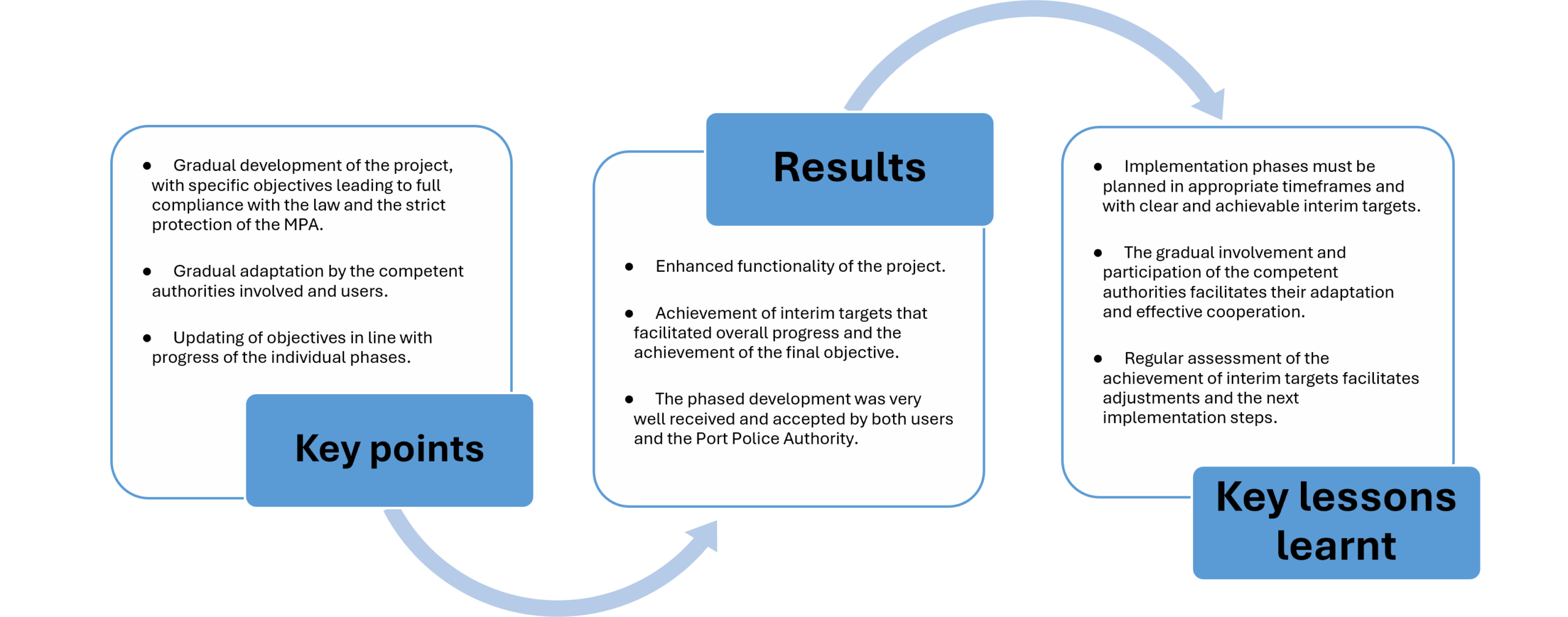
A surveillance and guarding project being launched for the first time in an MPA should be developed gradually, in distinct phases, so that both the Field Team and the competent authorities involved, but -above all- local residents and users of the area can adapt to the new circumstances and the new status, in which any regulations, restrictions and protective measures will now be actively enforced.
In our case, the installation of the Remote Surveillance System and the implementation of the surveillance and guarding project for the Gyaros MPA were organised and carried out in distinct phases, with clearly defined interim objectives, thus enabling all those involved (Field Team, competent authorities, users, etc.) to adapt to the evolving circumstances, so as to facilitate the management of the project’s operational procedures and to adapt to the new operational framework. Consequently, the project’s implementation was divided into three main phases: 1) initial operation, 2) ‘pilot’ operation, and 3) full operation. In each phase, the project’s performance was assessed against the specific objectives that had been set, and areas requiring improvement were identified.
- During the initial phase (2015–2016), the Field Team operated the System and, in consultation with the Syros Port Police Authority, carried out targeted and regular patrols; during these patrols, whenever a vessel was spotted, the Field Team would approach it and inform its crew that it was within a Marine Protected Area and must comply with the existing rules. In the event of any infringement, it would inform the crew involved and urge them to cease their activities. The aim of this phase was to make it widely known to the local communities of the surrounding islands, and especially to users of the area, that the area is now protected and actively monitored, and that the current protection regime will be actively enforced.
- During the pilot phase (2017–2018), the Field Team stepped up remote monitoring of the area via the System, increased the frequency of its presence in the field, and intervened immediately in cases of illegal activity, informing and urging the vessel’s crew to cease their activities and leave the area, whilst explaining that it would report the incident to the Port Police Authorities. At the same time, they documented the incident and, upon their return to Syros, informed the Port Police Authority on the infringement and gave a sworn written statement regarding it. Similarly, for their part, the Port Police Authorities summoned those involved in the incident to investigate the matter and issued strict recommendations. The aim of this phase was to intensively monitor the MPA, to tackle any illegal incidents identified, and to gradually enforce the relevant legislation, with the direct involvement of the competent authorities.
- Finally, during the period of full operation (2018–2022), the Field Team continuously monitored the area (24/7) via the Remote Surveillance System, maintained a daily presence on the ground, weather permitting, and intervened immediately in cases of illegal activity by calling on the Syros Port Police Authority vessel to come to the area to carry out an on-site inspection. Where an infringement was confirmed, the Port Police Authority officers would take the necessary action and issue fines. When it was not possible for the Port Police Authority to reach the area, the Field Team would record the incident and, upon returning to Syros, would inform the Syros Port Police Authority and submit a sworn written statement regarding it. The aim of this phase was now to ensure full surveillance and guarding of the MPA, to deal immediately with all illegal incidents that were identified, to ensure full compliance with the relevant legislation, and to strictly protect the MPA.
Operating protocol
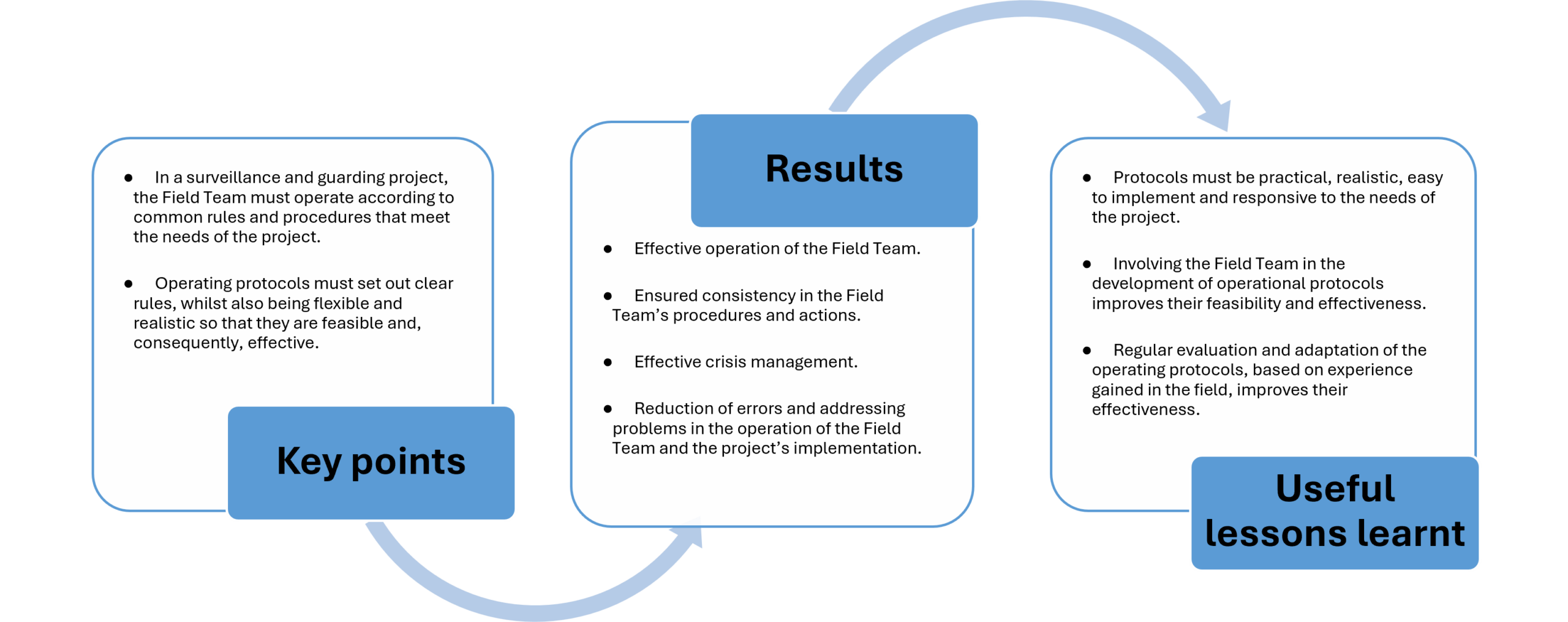
In our case, a structured operating protocol was developed to guide and manage the Field Team’s day-to-day activities, so as to ensure that all its actions are carried out consistently and in accordance with pre-defined procedures. This was achieved through the development of an operations manual containing guidelines on travel to and from the area, the conduct of routine and emergency patrols, the safe use of equipment, the handling of suspicious or illegal incidents, crisis management, communication and cooperation with the relevant authorities, keeping users of the area informed, data collection, and the training of team members in the implementation of the protocol.
Data recording
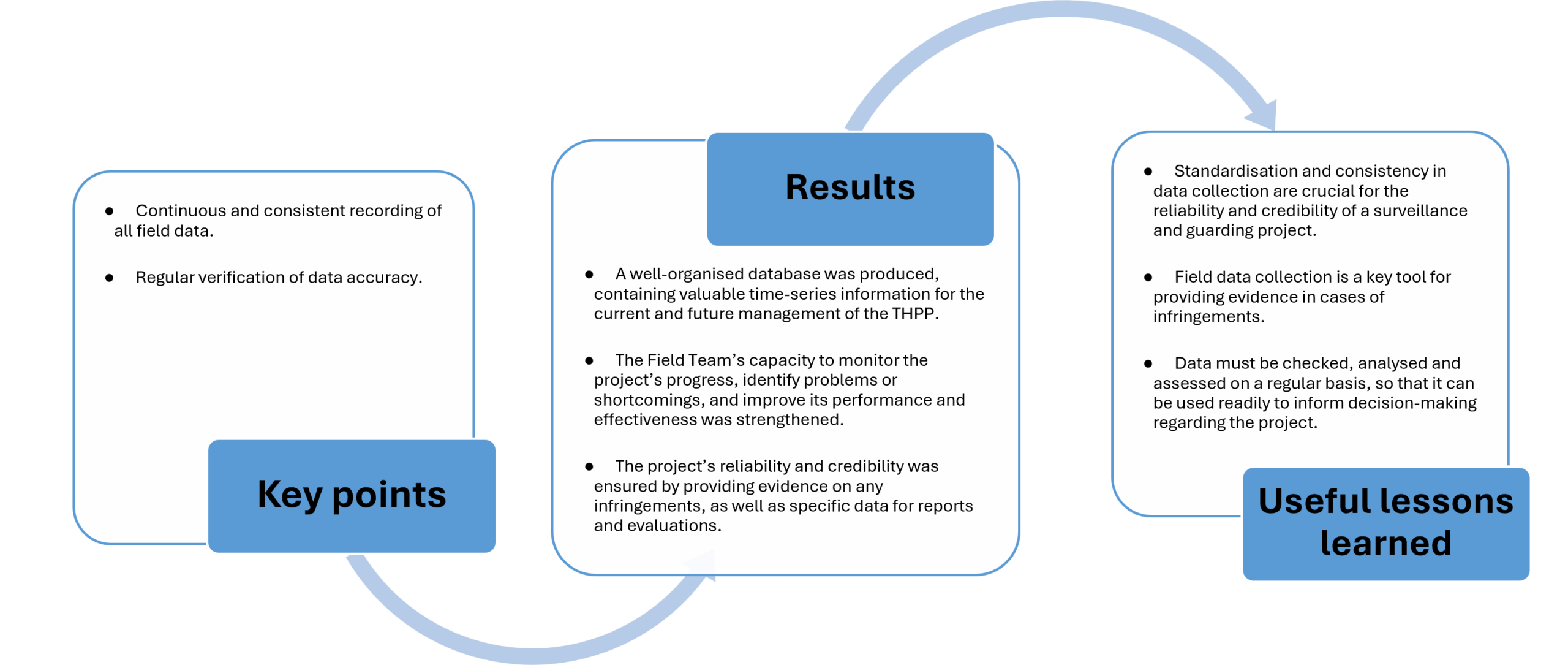
In any field project, data collection and the maintenance of a structured record are fundamental and essential activities for documenting the work carried out and drawing useful conclusions regarding the efficiency and effectiveness of individual actions. Particularly in a project for the surveillance and guarding of an MPA, in addition to the reasons mentioned above, the collection of data on the activities carried out in the area and the maintenance of a detailed record are absolutely essential for gathering evidence and documenting any illegal incidents.
In our case, data collection and analysis formed a key part of the Field Team’s operations and the implementation of the project. This data proved invaluable, as it was used to submit evidence – testimonies – to the relevant competent authorities, to monitor performance, to support decision-making and to publicise the results. A key tool was the creation of a central data-recording system, which was comprised of a database containing information on operational activities and their outcomes, as well as all relevant details (e.g. type of activity, number of users, location within the MPA). The data was collected by the Field Team and recorded using standardised forms and digital tools, enabling easy and immediate access to analysis and to useful results and conclusions regarding the progress of the project’s implementation.
Crisis management
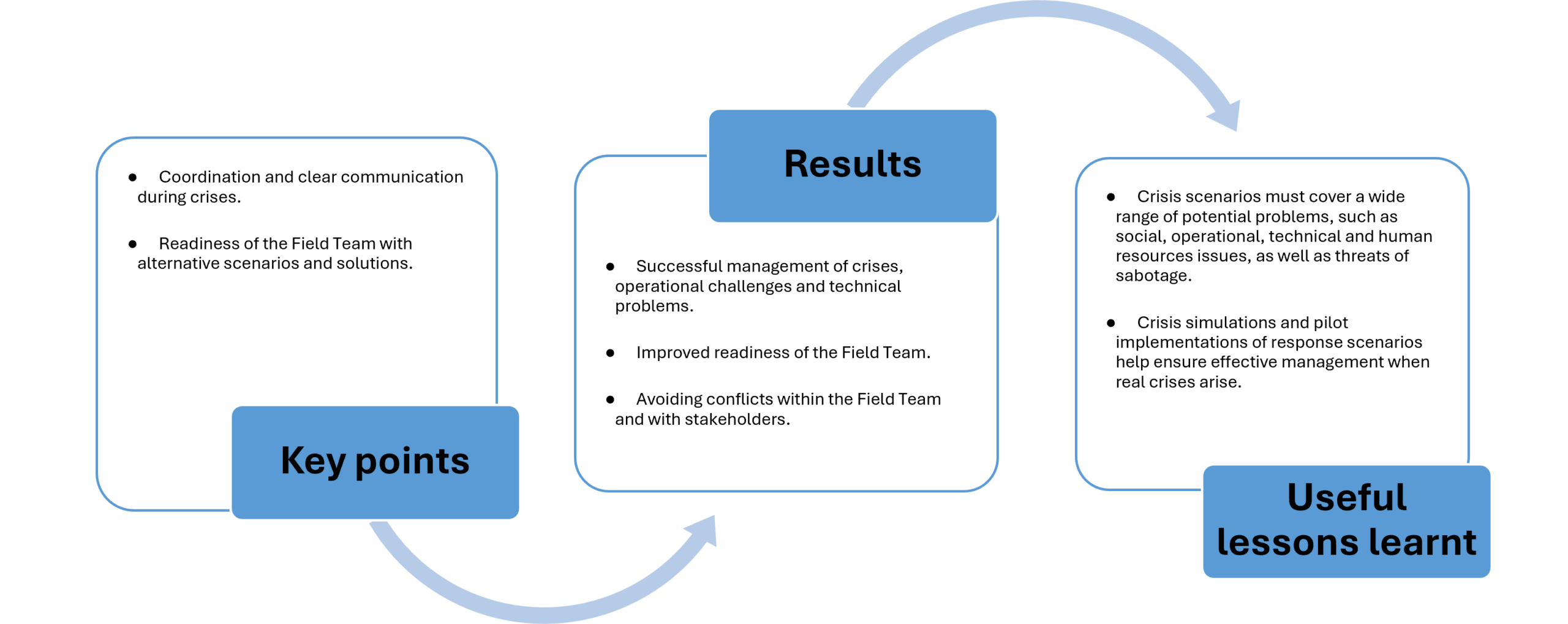
In our case, procedures were developed to deal with unforeseen incidents and crises, through the development of scenarios to address technical, labour and operational problems or failures. Some characteristic examples of crises that had to be dealt with are as follows:
- Immediately following the installation of the Remote Surveillance System at the summit of Gyaros in September 2015, the Field Team was informed that rumours were circulating widely within the local community that some users in the area were preparing an expedition to Gyaros with the aim of sabotaging the equipment. The project’s Coordination Team, in collaboration with the Field Team, examined possible scenarios for dealing with such a possibility and proceeded to hire a specialist security services company to guard the equipment. Consequently, for the first two weeks following the installation of the equipment, the entire site at the summit of Gyaros was guarded by a dedicated professional security guard. This fact was made public to the local authorities (Port Police Authority, Police) and the local community to act as a deterrent, which resulted in no such incident occurring.
- In May 2022, the project team had to manage a significant overturn in the protection regime of the Gyaros MPA, that arose following the extension of the Ministerial Decision, which unexpectedly altered the measures for the management of coastal fisheries. Given that the new Ministerial Decision permitted coastal fishing without time restrictions and without the requirement to obtain a special permit, the Field Team was now called upon to manage quite differently fishing activities within the MPA. Following an examination and analysis of the provisions of the new regime, alternative response scenarios were drawn up and, in consultation with the Syros Port Police Authority, it was decided to amend and update the team’s operating protocol so that, in coordination with the Syros Port Police Authority, it could more effectively address the intense fishing activity anticipated in the area during the summer months. At the same time, a series of information sessions for local fishermen were organised, so that they would be well informed of the change and could adapt their activities accordingly, whilst complying with the new rules of the MPA.
Collaboration with the competent authorities
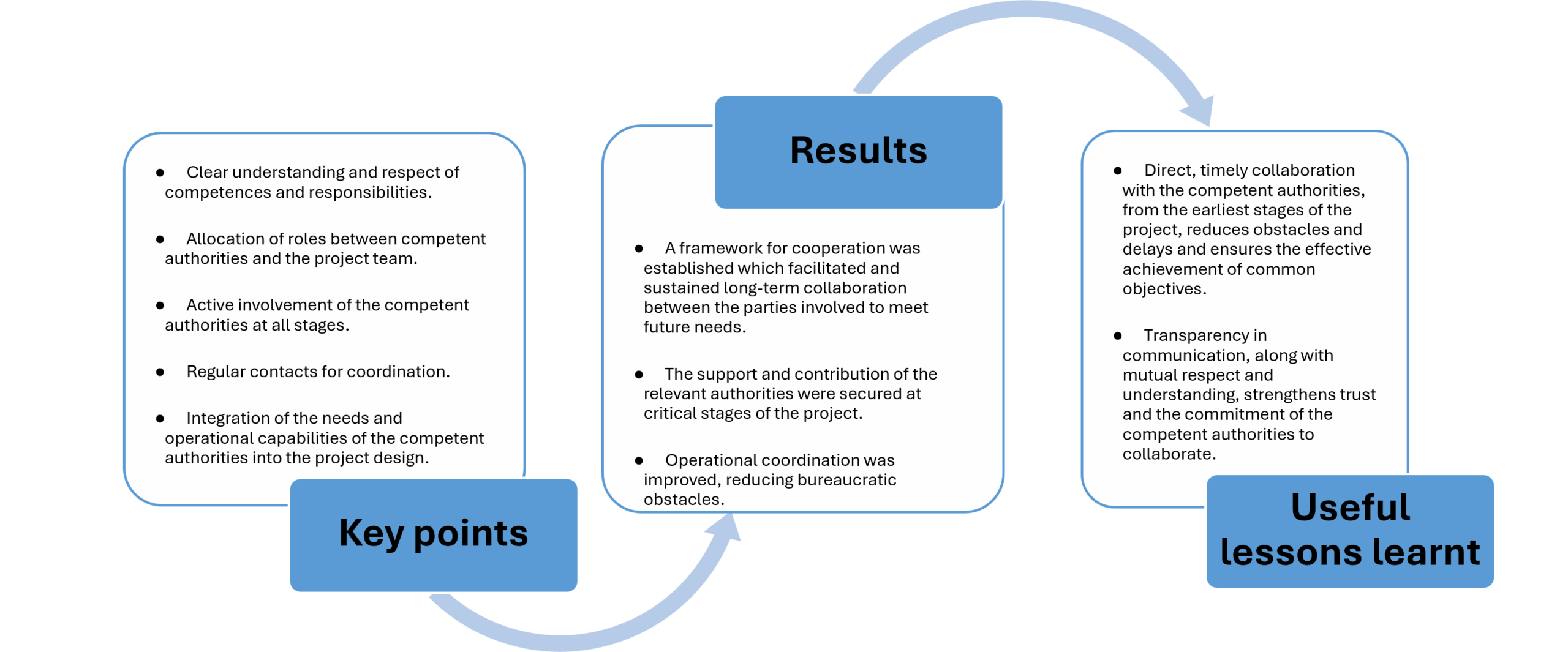
In any action or project concerning the surveillance and guarding of an MPA, collaboration with the competent authorities is imperative and essential, both because of their relevant responsibilities and for ensuring the project’s functionality and effectiveness. Without their cooperation and their active and substantial contribution, it is impossible to protect an MPA effectively.
In our case, from the very start of the initiative, intensive efforts were made to develop collaborative relations with all the competent authorities, at both central and local levels. Furthermore, the initial aim was to ensure that the competent authorities, at all levels of their hierarchy, understood the rationale behind the development of the Remote Surveillance System as a pilot tool that would facilitate the surveillance and guarding the Gyaros MPA, and which, if proven effective, could be used more widely in other similar areas. At the same time, it was made clear that the wider project would not replace their own role and responsibilities but would operate in a supporting capacity and contribute to the effective protection of the area. Throughout the project, and at every stage of its implementation, communication with the authorities was regular and transparent, thereby building a climate of trust and ensuring their willingness to collaborate, both in principle and in practice.
A key milestone in achieving effective collaboration with the competent authorities was the mutual recognition of the need to establish a formal framework, which ultimately took the form of two successive Memoranda of Understanding (in 2018 and 2023), which clearly defined the scope and roles of each party in the System’s operation initially, and subsequently in the handover of the System to NECCA.
Finally, a key factor in achieving effective, substantive and operational collaboration with the Coastguard was the frank dialogue and understanding regarding the limited operational capacity of the Syros Port Police Authority, which is responsible for the Gyaros area. Taking into account the need for its active participation and direct involvement in the project, as well as the lack of a seaworthy patrol vessel, WWF Greece proceeded to donate €15,000 annually for the period 2018–2021, towards the maintenance and operation of the Port Police Authority’s patrol vessel, thereby ensuring its operational readiness. This initiative was duly appreciated and helped to secure support for the project’s activities, as well as the active participation and significant contribution of the local Port Police Authority, over a number of years, to critical procedures and in field actions in the surveillance and guarding of the Gyaros MPA.
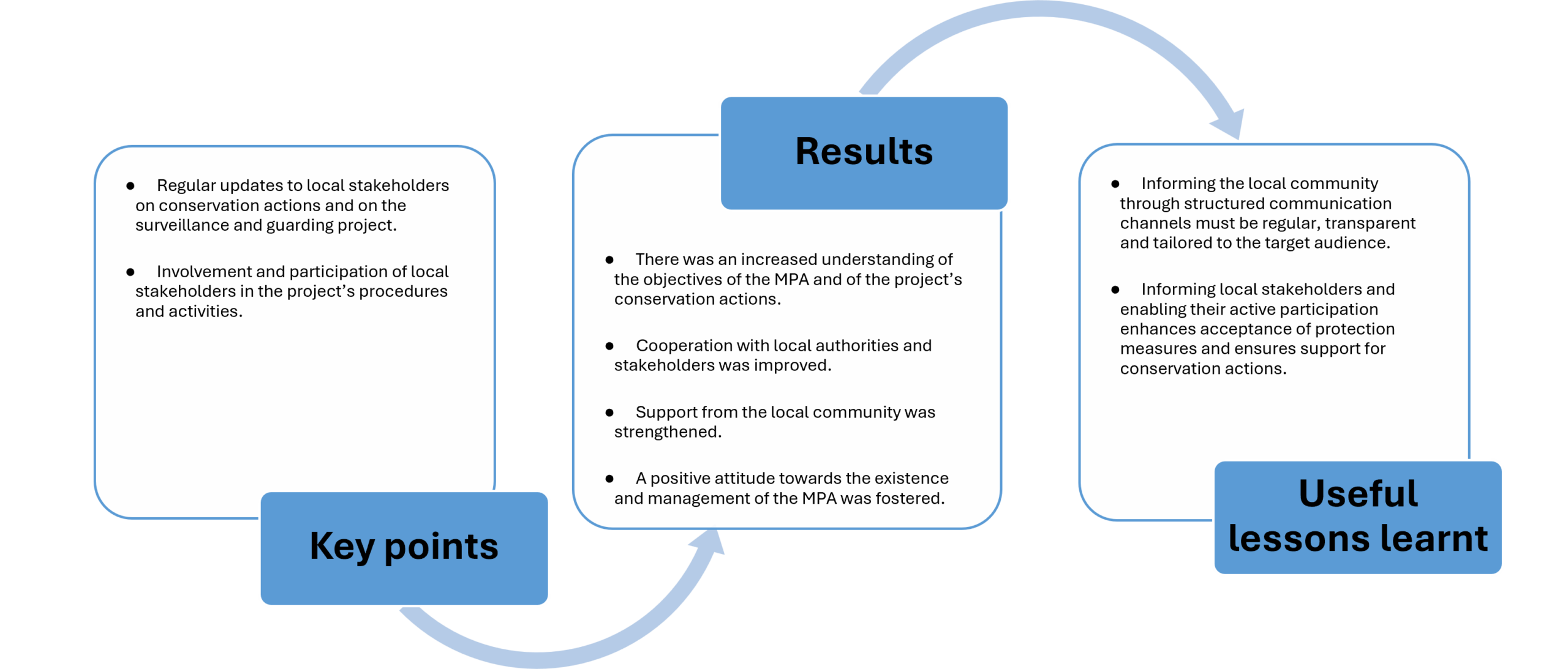
Keeping local stakeholders and users informed
Regularly keeping local stakeholders and users of the area informed about the project’s progress should be a key component of any such project. This is achieved through regular communication, the organisation of presentations and information meetings, the production and dissemination of communication materials, and other communication channels.
In our case, keeping local stakeholders and users, particularly fishermen, informed was vital for promoting transparency, building relationships of trust, fostering acceptance of and respect for conservation measures, and encouraging participation in conservation activities in the area. A key role in this played the participation of local stakeholders and users in the Gyaros Co-management Committee, as well as the consistent and regular communication and updates on the progress of actions within the MPA. Equally important was that the Field Team continued to provide regular updates on the results of the surveillance and guarding project throughout the years. The main communication tools used were press releases, public presentations, exhibitions involving local organisations, and targeted printed and digital information material.
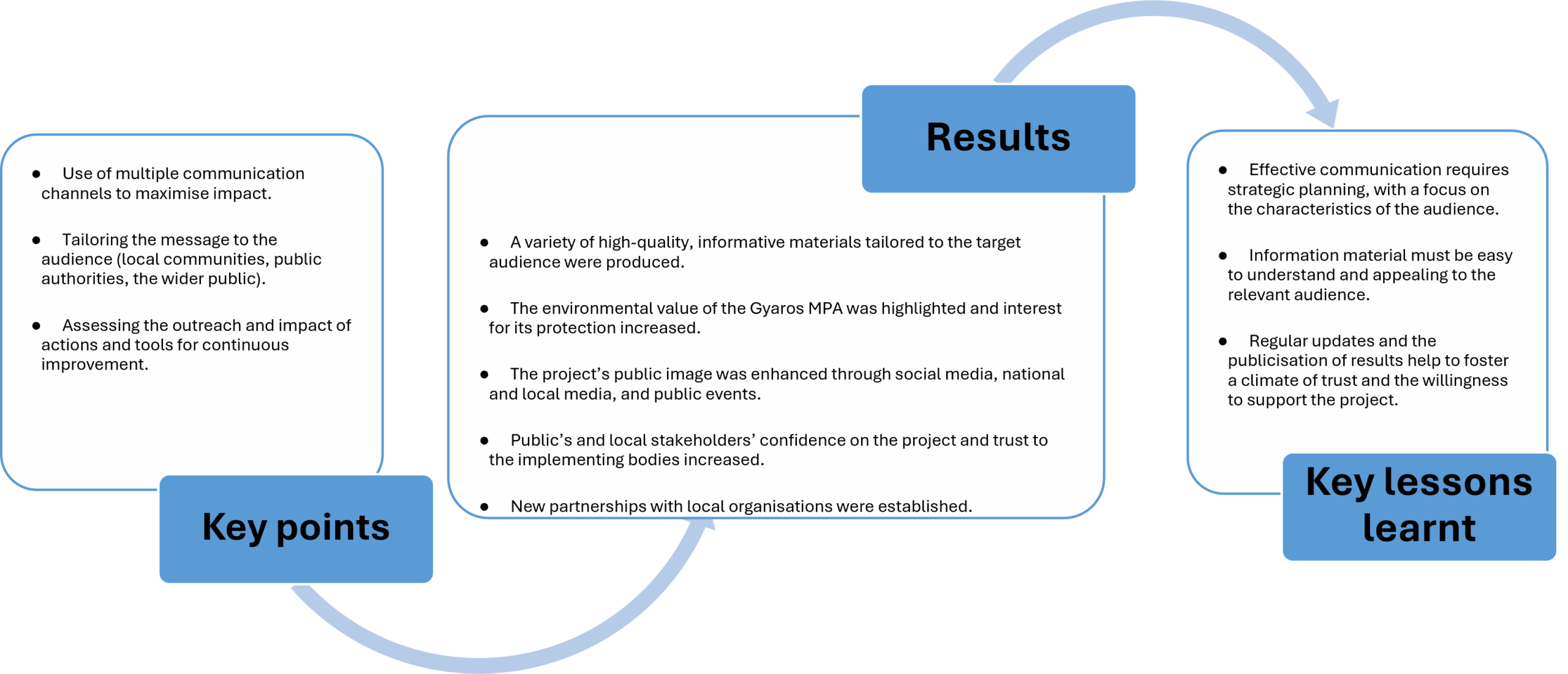
Publication/production of informative material
In any action or project concerning the management of a protected area, keeping stakeholders, users and local communities informed is a fundamental prerequisite for understanding the value of the site, for the consolidation of management measures, and for their participation in and contribution to its protection.
In our case, public information and awareness-raising activities (at national and local level), the production of information material to inform stakeholders, and the publicisation of the project’s results were numerous and ongoing throughout its duration, thereby increasing knowledge of and interest in the area, fostering a positive public attitude towards the protection of the MPA, and ensuring transparency regarding the project.
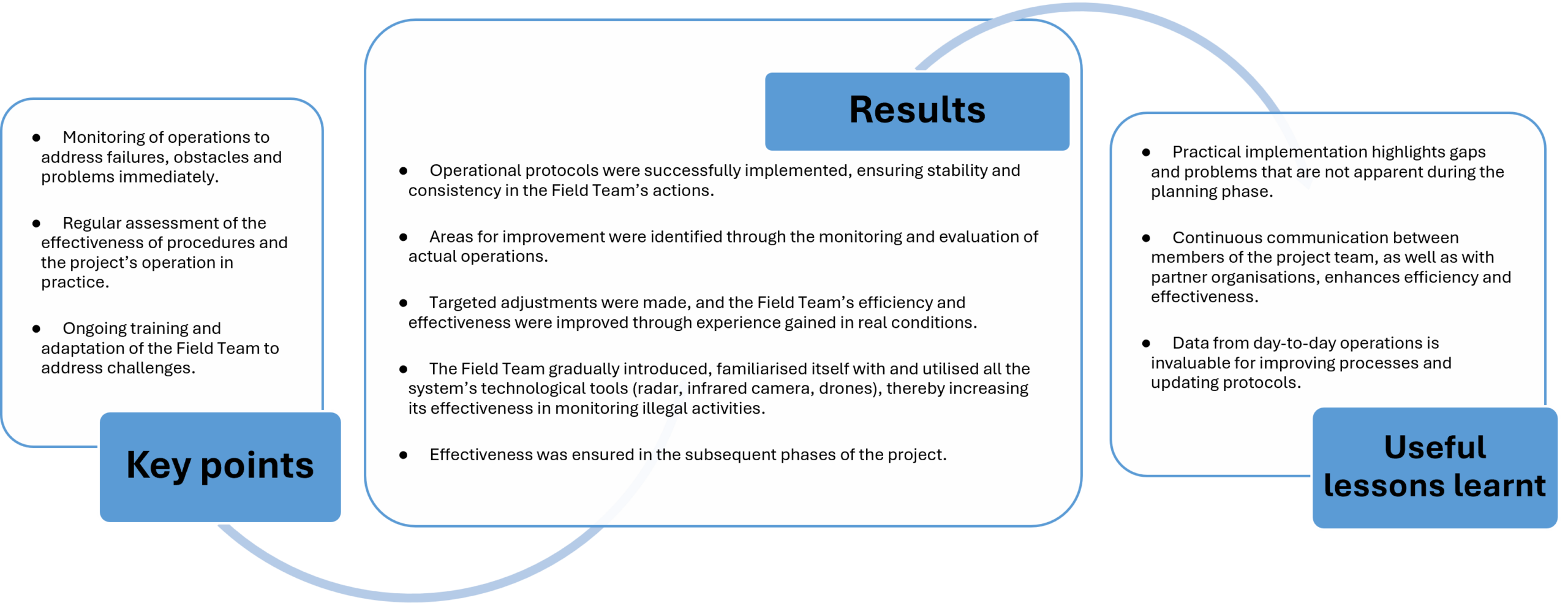
Operation
In our case, the on-site operation of the project involved the Field Team implementing the planned procedures and assessing their efficiency and effectiveness of their day-to-day practice.
An indication of the effort made by the Field Team during its decade-long operation is that the Remote Surveillance System was actively used for several thousand hours; the team carried out nearly 600 on-site patrols in the Gyaros MPA, covered over 22,000 nautical miles, recorded over 800 vessels and over 100 infringements within the MPA, and informed nearly 2,000 local users about the MPA’s protection status.
It is worth noting that the Remote Surveillance System has been operating without interruption for almost a decade since its installation in 2015, whilst the implementation of the project to surveil and guard the Gyaros MPA, which operated effectively for the same period, has resulted in a 55% reduction in illegal recreational fishing incidents and a 86% deduction in illegal professional fishing incidents during the period 2015–2022.
The valuable experience gained from this long-standing effort was crucial to the efficient and effective handover of the Remote Surveillance System from WWF Greece to the Central Aegean Protected Areas Management Unit of NECCA, which is now responsible for its operation, as part of its competence to surveil and guard the Gyaros MPA, in collaboration with the Hellenic Coastguard.
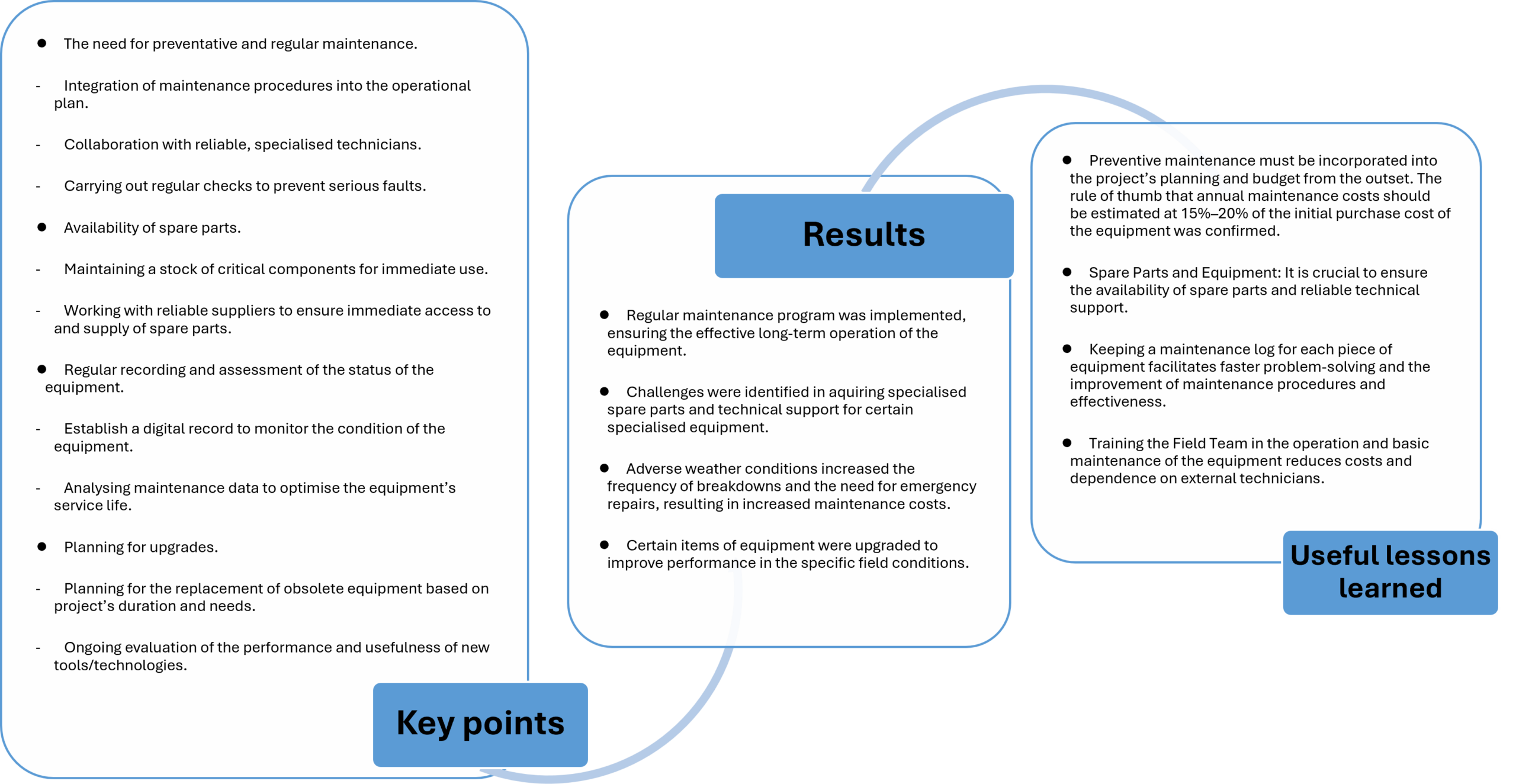
Equipment maintenance
In any field project, and particularly in projects related with the surveillance and guarding a protected area – which, by their very nature, rely heavily on the use of equipment and technology – ensuring that this equipment is maintained in good working order is essential. Particularly in initiatives or projects that rely entirely on new technologies, such as the Gyaros Remote Surveillance System, the proper maintenance of this high-tech equipment must be a fundamental priority throughout the project’s implementation.
In our case, during the initial planning of the project at the submission for funding phase, the annual maintenance costs for the Remote Surveillance System equipment, as well as for the rest of the project’s equipment (e.g. patrol vessel), had not been adequately and fully assessed. This meant that, as the project progressed, adjustments had to be made to include these costs, which were by no means negligible (bearing in mind the rule of thumb is that annual maintenance costs should be estimated at 15%–20% of the initial purchase cost of the equipment). Equipment maintenance throughout the project’s implementation constituted a significant part of the Field Team’s responsibilities, focusing on maintaining the functionality of the individual equipment and technologies used. Maintenance involved regular checks and preventive maintenance of all individual components, repairs or replacement of specific equipment that had malfunctioned or was worn, and adaptations, through the introduction of new equipment, to address wear and tear or changes in the system’s functional requirements. During the early stages of the project’s implementation, and whilst the equipment and its maintenance were covered by the suppliers’ warranty, maintenance was largely carried out by the Field Team and, in exceptional cases, by external contractors. Nevertheless, there were instances where problems or malfunctions occurred, in which it was not possible to purchase suitable spare parts immediately and/or where specialised technicians were unavailable to provide on-site technical support. A typical example of this was the radar malfunction in 2019, when, due to a lack of specialised technicians in the area, the Field Team had to disconnect the radar themselves and transport it to Syros, so that it could be sent to the manufacturer in Athens for repair. The entire operation, right up to the reinstallation and full restoration of the radar on the summit of Gyaros, took two months. During the final phase of implementation, it was deemed necessary, taking into account the ‘ageing’ of the equipment, to put in place a comprehensive maintenance contract with a specialist provider for all the system’s equipment, thereby ensuring it is kept in good working order.
Evaluation
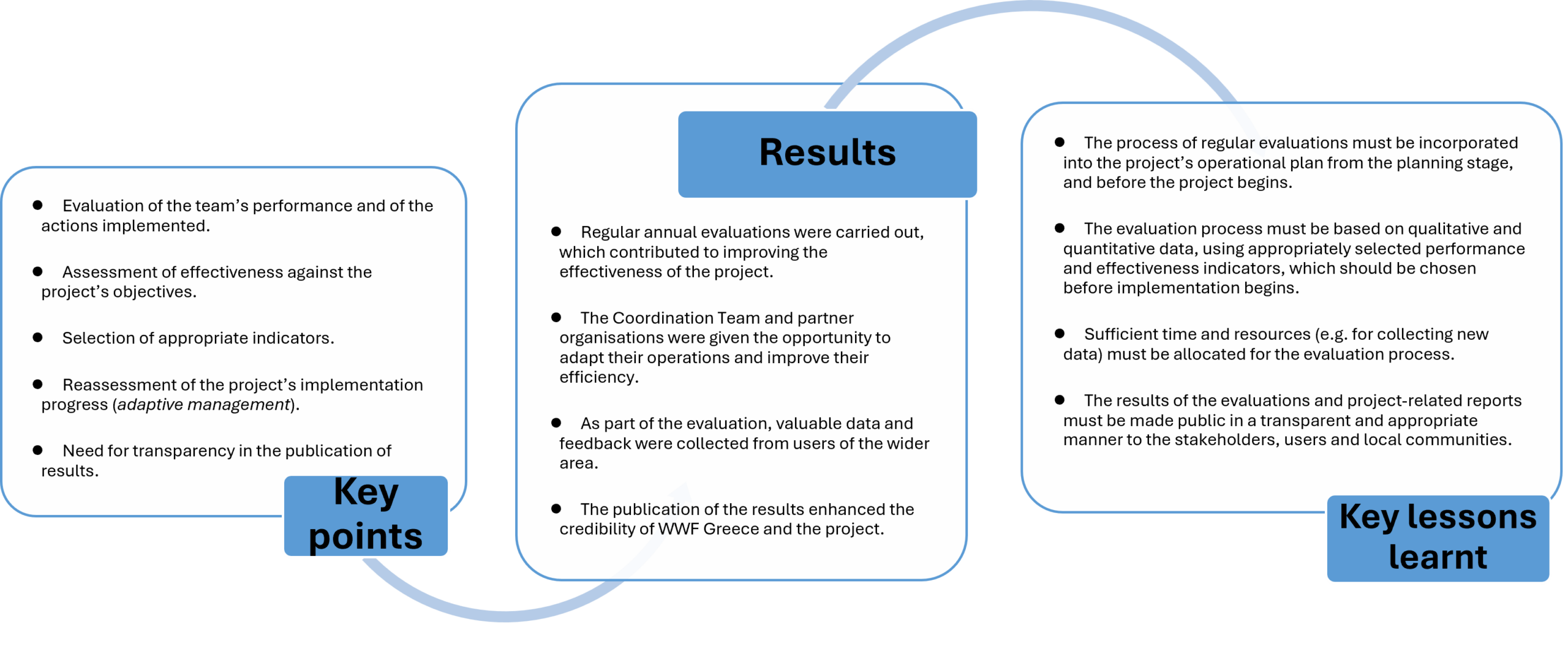
The evaluation of the surveillance and guarding project is a critical phase for measuring the effectiveness of the entire initiative, for recording results and documenting best practices. In the case of the Gyaros MPA, the evaluation was based on comparative data (quantitative and qualitative), the observations of the Field Team and the collaboration with the relevant competent authorities. Emphasis was placed on assessing the functionality of the equipment, the adequacy of human resources, the response of the authorities, and the reactions of local users. Through this process, achievements, challenges and critical success factors were documented, laying the foundation for optimising the operational model with a view to its potential replication in other MPAs.
In the development and implementation cycle of any project, evaluating progress in terms of efficiency, but above all in terms of effectiveness in achieving its objectives, is a fundamental and necessary process. Through regular monitoring and evaluation of the results, the budget spent, changes in the external environment, and the risks or opportunities that arise, the Project Team is able to make adaptive decisions and adjust its actions in order to maximise results (adaptive management).

In our case, during the implementation of the project, the Project Coordination Team, in close collaboration with the Field Team, carried out regular annual evaluations of the project’s progress, taking into account a range of indicators relating to both its efficiency and its effectiveness. As part of these evaluations, the Project Coordination Team frequently asked partner organisations to participate in assessing the project’s progress, whilst in some cases it actively collected data from users in the region to better measure their perceptions on the project and its outcomes. A key factor in the evaluation was the fact that, at the start of the project, a series of studies had been carried out on the MPA, thus providing a baseline that facilitated the initial selection of appropriate indicators and their subsequent monitoring during implementation.
The results of the evaluations were published in progress reports to the project’s funders, the relevant national authorities and partner organisations, whilst in some cases they were made publicly available on the project’s website. In addition to the above, as part of efforts to keep local communities informed, public events were organised on a regular basis to present the project’s results.