What We Learned
What stands out from the project’s 10 years implementation
Continuous implementation
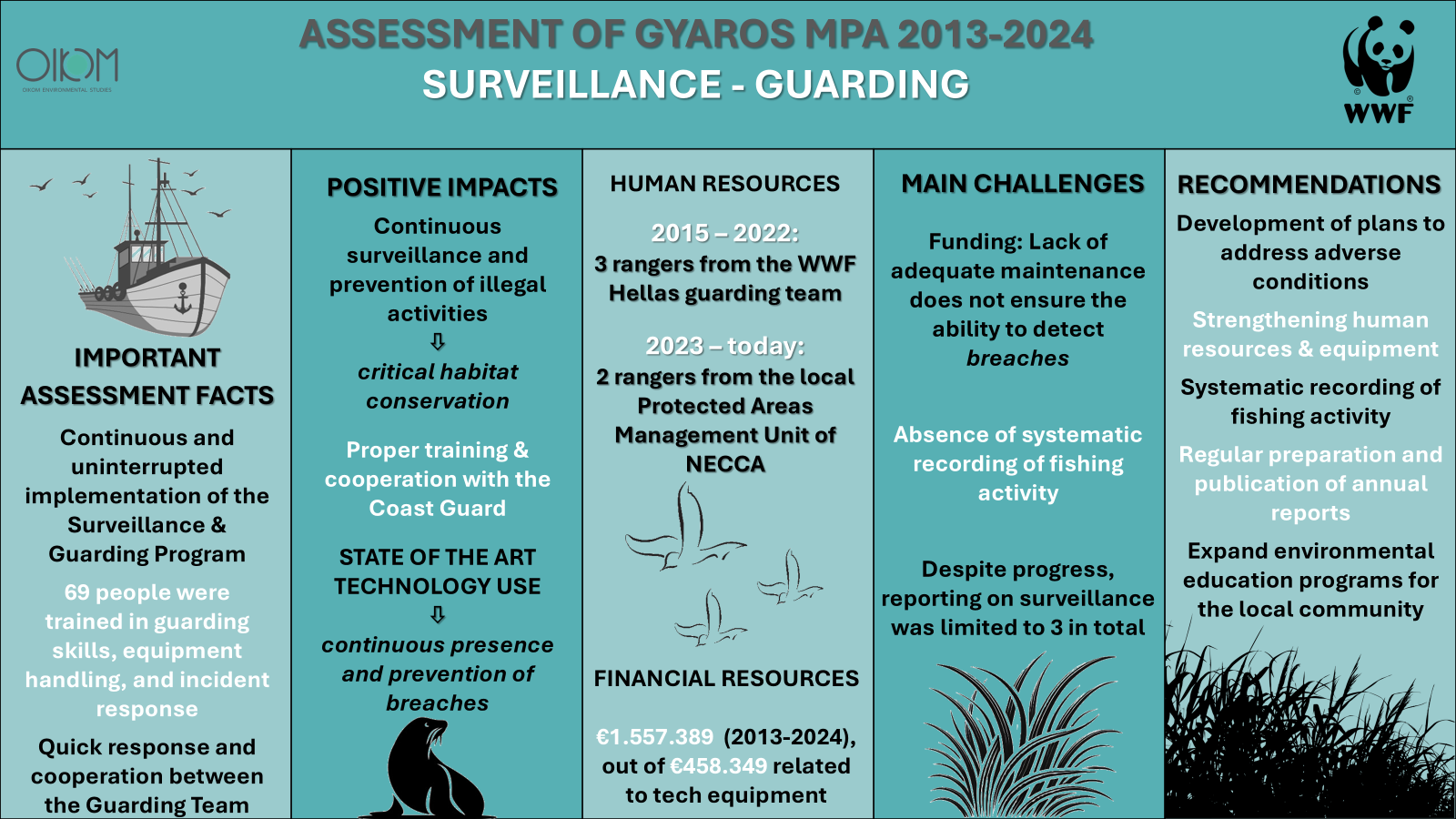
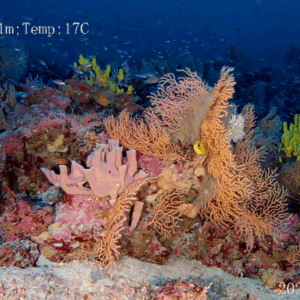
The continuous presence, over a number of years, of the Field Team and the relevant competent authorities, combined with the use of advanced technological systems, has contributed significantly to the prevention and deterrence of illegal activities (such as illegal fishing), the conservation of critical habitats and the increase in fish stocks, which has had a positive impact on the region’s ecosystem as a whole.
Key Achievements
Lessons from the Implementation
Suggestions for the Future
Assessment & Evaluation
Effectiveness of patrols
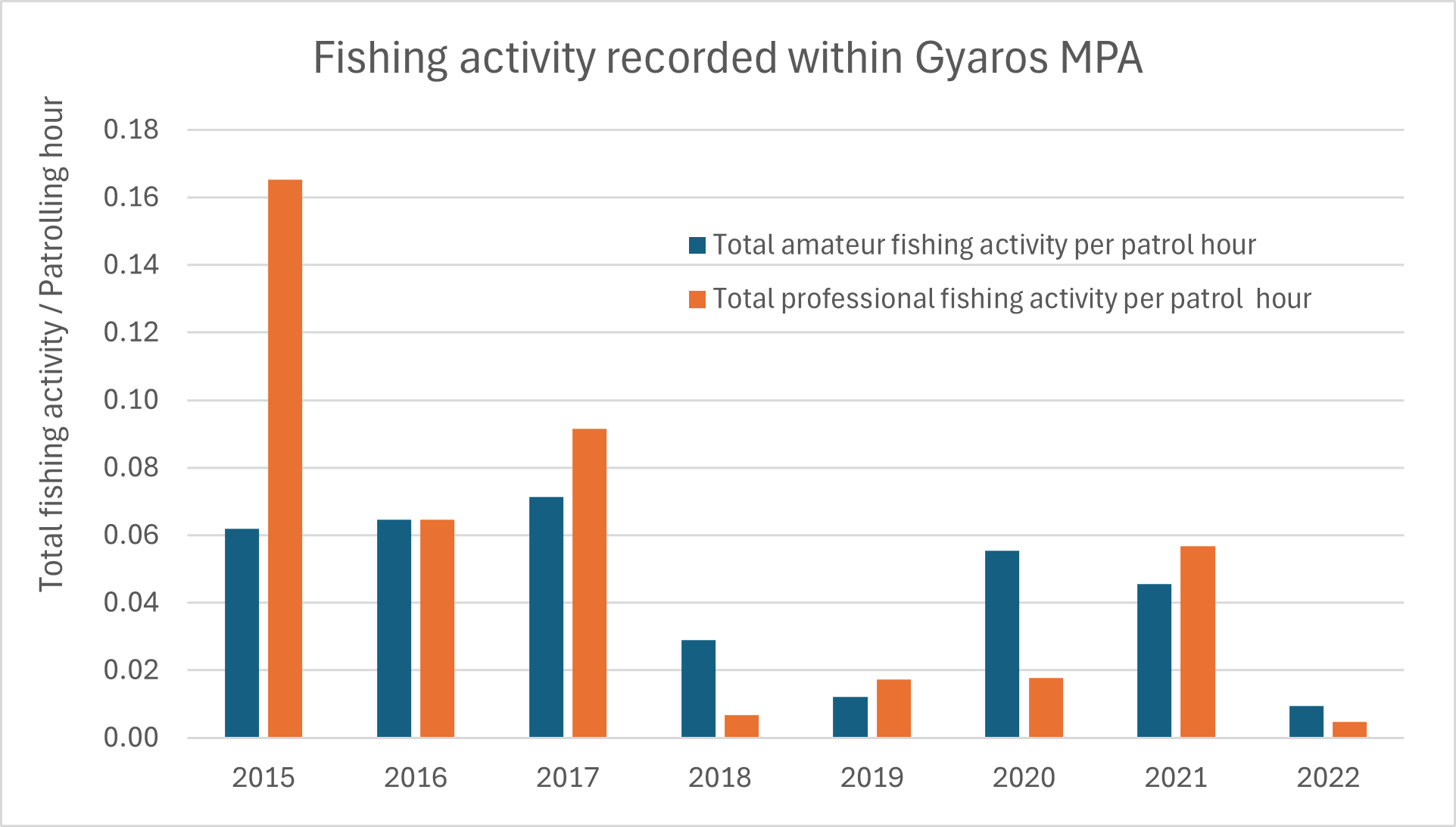
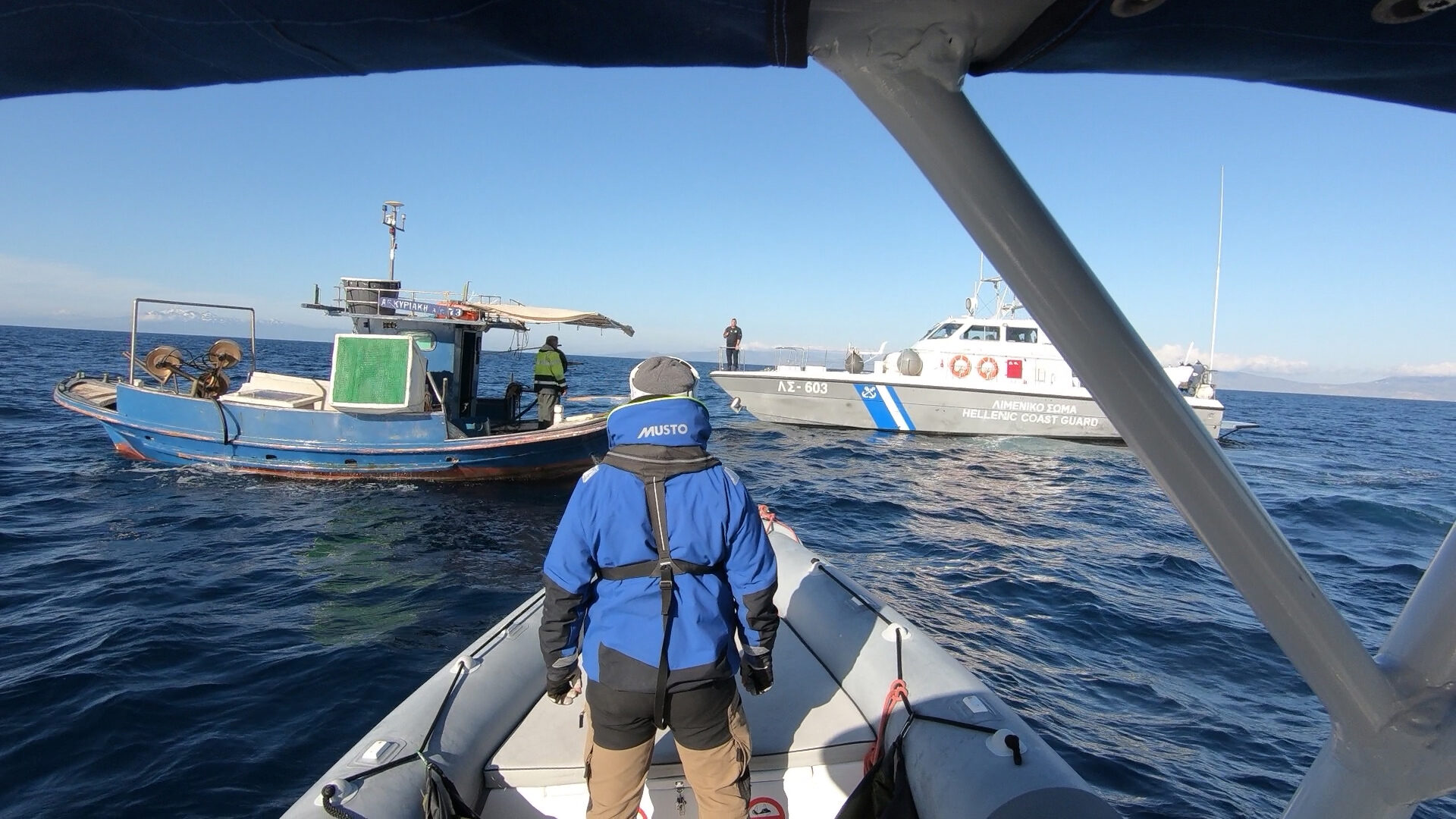
Increased patrols ensured a constant presence, deterring infringements and reinforcing the area’s image as a protected area. Regular communication and collaboration between the WWF Greece Field Team and the Syros Port Police Authority, along with clear procedures for exchanging information (e.g. following confirmation of a violation), ensured the rapid mobilisation of the Hellenic Coastguard. The presence of the Coastguard acts as a deterrent to illegal activities, and its involvement in the surveillance and patrol operations has increased compliance of the area’s users to the MPA’s conservation regulations.
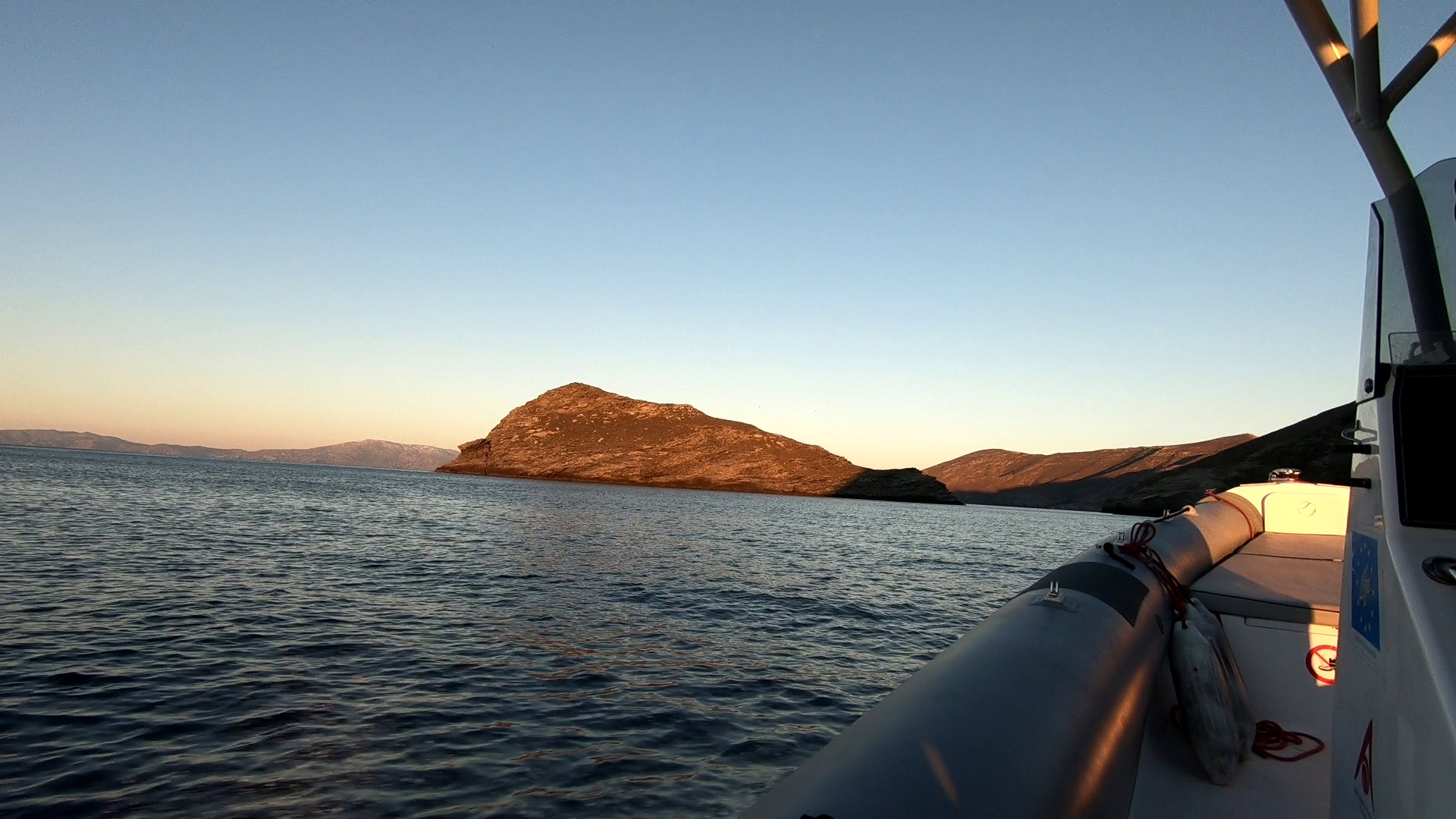
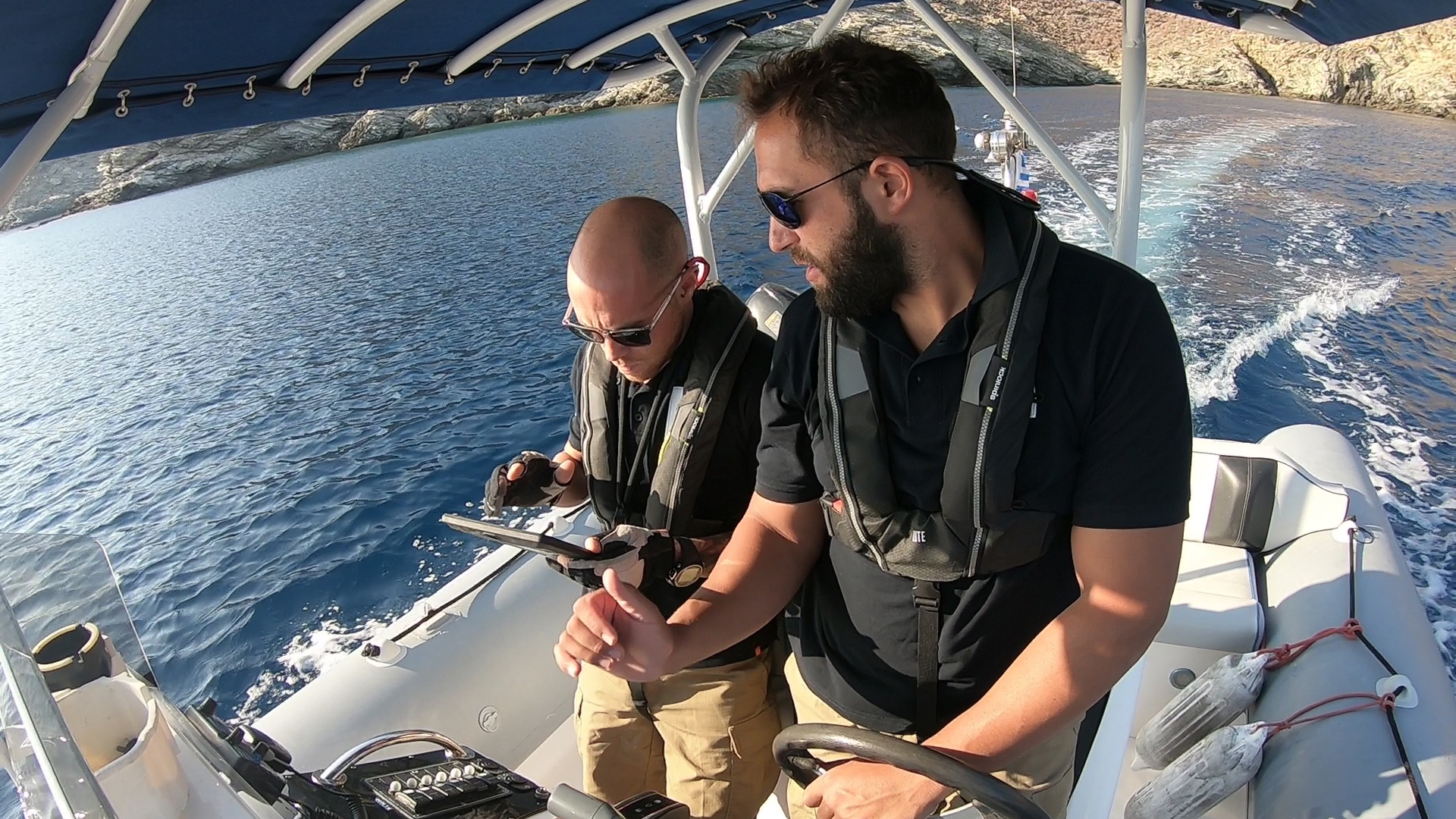
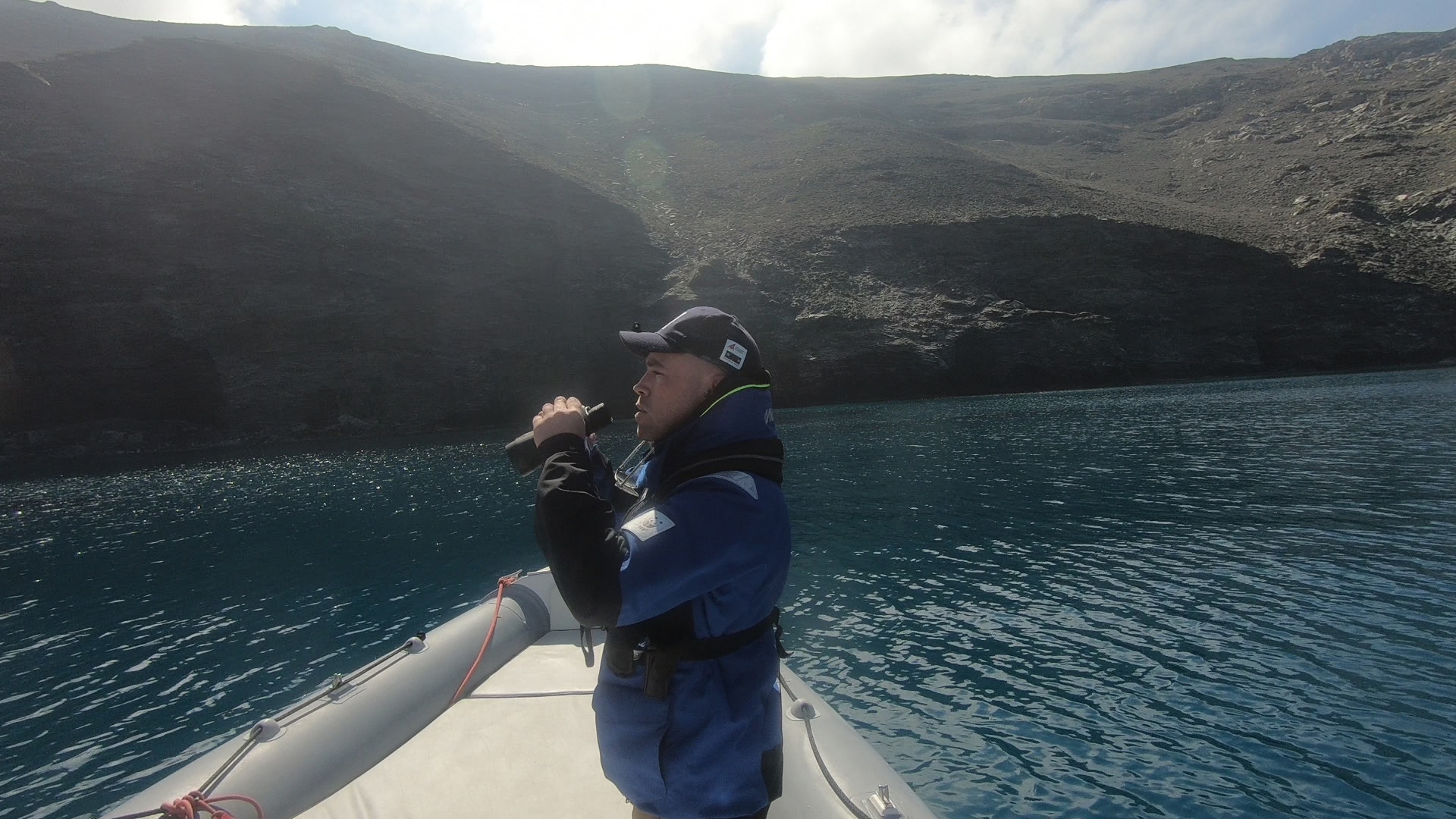
Field Team Patrols (Credits: WWF Greece)
The average response time from the moment a potential infringement was reported to the arrival of the Hellenic Coastguard, totaled approximately 1.5 hours, from the definitive identification of the suspected infringement via the Remote Surveillance System, to the journey from Syros to Gyaros and to the specific location where the incident in question was observed.
- The response time of the WWF Field Team to incidents of possible infringement was:
- 20 minutes to definitively confirm the suspected infringement via the Remote Monitoring System
- 30 minutes for the Field Team members to prepare and the vessel’s departure
- 45 minutes to travel from Syros to Gyaros and the specific location where the incident was observed
- When an infringement was confirmed on the spot by the WWF Field Team, the Syros Port Police Authority/Hellenic Coastguard was notified so that its patrol vessel could be dispatched to the area. The Coastguard’s response time was:
- 10 minutes for coordination and for the order to deploy
- 30 minutes to prepare the vessel and the Field Team crew
- 45 minutes to travel from Syros to Gyaros and the location where the incident was observed
The relatively rapid mobilisation of the Field Team and of the Coastguard officers reinforced the project’s deterrent effect, as the combination of technology and of on-site physical presence enhances the ability to monitor a remote and relatively extensive marine area such as Gyaros.
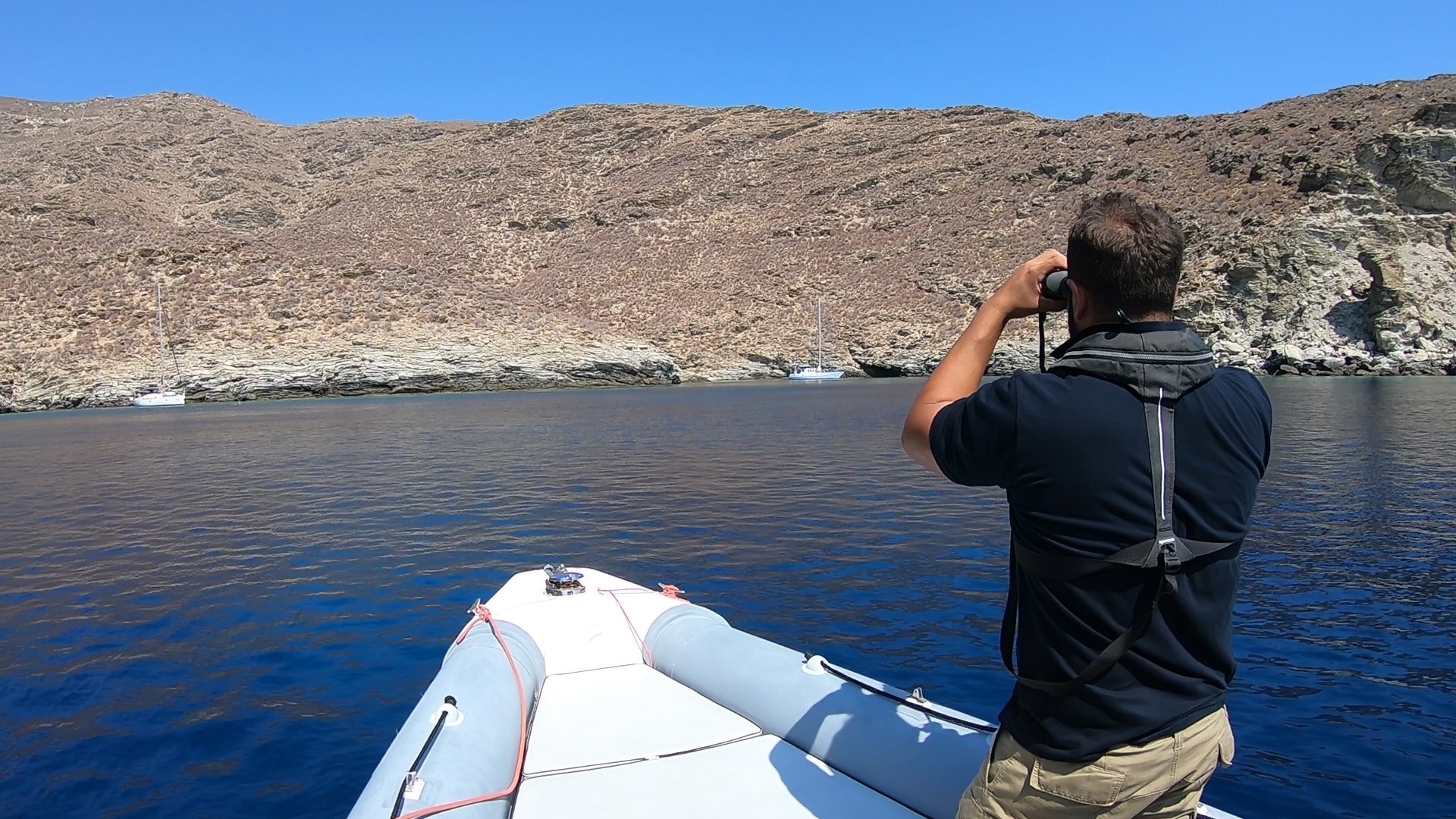
Recording data on the Field Team’s activities and on incidents enhances transparency and efficiency in the implementation of punitive measures.
2015 – 2017
Patrols: 200
Offences: 45
Fines: 0
2018 – 2020
Patrols: 275
Offences: 44
Fines: 11
2021 – 2022
Patrols: 68
Offences: 11
Fines: 9
2023 – 2024
Patrols: 65
Offences: 9
Fines: 1
Source of data for 2015–2022: WWF Gyaros Marine Protected Area Final Progress Report to the Martinos Foundation. 2022
Source of data for 2023–2024: CAPAMU/NECCA (relating to patrols carried out by NECCA’s guarding team)
State-of-the-art technology
The use of state-of-the-art technology enabled the rapid detection of infringements and the recording of evidence. The utilisation of technologically advanced equipment enhances the deterrent effect of a surveillance and guarding project, as offenders are aware that the area is under constant surveillance, and it increases the confidence of the relevant competent authorities and users of the area that the rules are being enforced.
- The Remote Surveillance System enables remote monitoring and the carrying out of targeted on-site inspections.
- Such systems and equipment allow for the surveillance of remote and large areas with increased accuracy and at a relatively low cost.
Human and financial resources
The Field Team was initially staffed by WWF Greece during the period 2015–2016 with two staff members; this increased to three for the period 2016–2022. Furthermore, the collaboration between the Field Team and the Coastguard provides the necessary operational support for tackling infringements. The coordination of parallel patrols and operations by both bodies has proved effective, particularly during periods of increased incidents. From 2023 onwards, staffing is now carried out by Central Aegean Protected Areas Management Unit (C.A.P.A.M.U.) The guarding team of CPAPAMU, under the authority NECCA, consists of two rangers. This number of rangers is barely sufficient to carry out the required work.
The fact that most members of the Field Team (3 out of 4) were recruited from Syros and were familiar with the area, the local culture and fishing traditions had a positive impact on local users, as it contributed to increased trust, impartiality and the effectiveness of conservation activities.
Training activities of the Field Team
Between 2013 and 2023, it is estimated that WWF Greece to have invested a total of approximately €1.56M on surveillance and guarding, of which almost €500,000 was allocated to technological equipment, a fact that reflects the scale of the undertaking and highlights the strategic investment in innovative solutions for the Remote Surveillance System of the Gyaros MPA.
Information and training for stakeholders
For the Remote Surveillance System to function and for the surveillance and guarding project to be effective, it was essential to provide systematic training for the staff of the bodies involved. The training program implemented by WWF Greece enhanced the knowledge and skills of the relevant authorities and their staff regarding the operation of the System and the handling of infringements and fostered a sense of a consistency and effectiveness in the guarding of the Gyaros MPA.
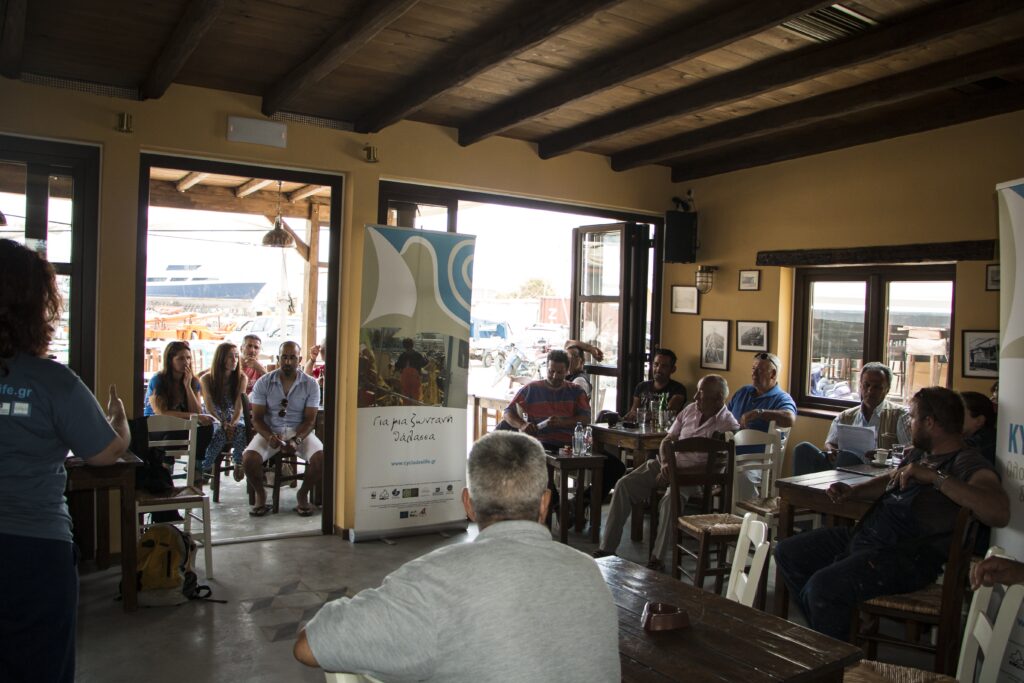
Through these programmes, participants have gained the ability to operate the technical equipment and be better prepared to respond to emergencies, reducing response times and increasing the effectiveness of surveillance operations, and, consequently, the area’s users confidence and compliance.
- 69 officers from the Hellenic Coastguard, staff of the former Cyclades Protected Areas Management Authority, and staff of the Central Aegean Protected Areas Management Unit (C.A.P.A.M.U.) of NECCA, involved in the surveillance and guarding of the Gyaros MPA, took part in awareness-raising and training programmes.
- Trained staff are able to identify illegal activities and document incidents accurately, providing evidence that can be used to impose fines.
- Proper incident management minimises conflicts with local users, thereby strengthening the deterrent effect against offenders.
- To train both the staff of the Syros Port Police Authority and the staff of the former Cyclades Protected Areas Management Body, a four-hour seminar was held on the conservation status of the Gyaros MPA and training in the Remote surveillance System. Specifically, the conservation projects implemented in Gyaros by WWF Greece and its partners were analysed, along with the importance of biodiversity, the rare species and valuable habitats of the area, as well as the results of a fisheries survey conducted by the HCMR. As part of the training material, a series of three videos was produced, showcasing both the biodiversity of the Gyaros MPA and the Remote Surveillance System.
Informing and raising awareness amongst users of the MPA
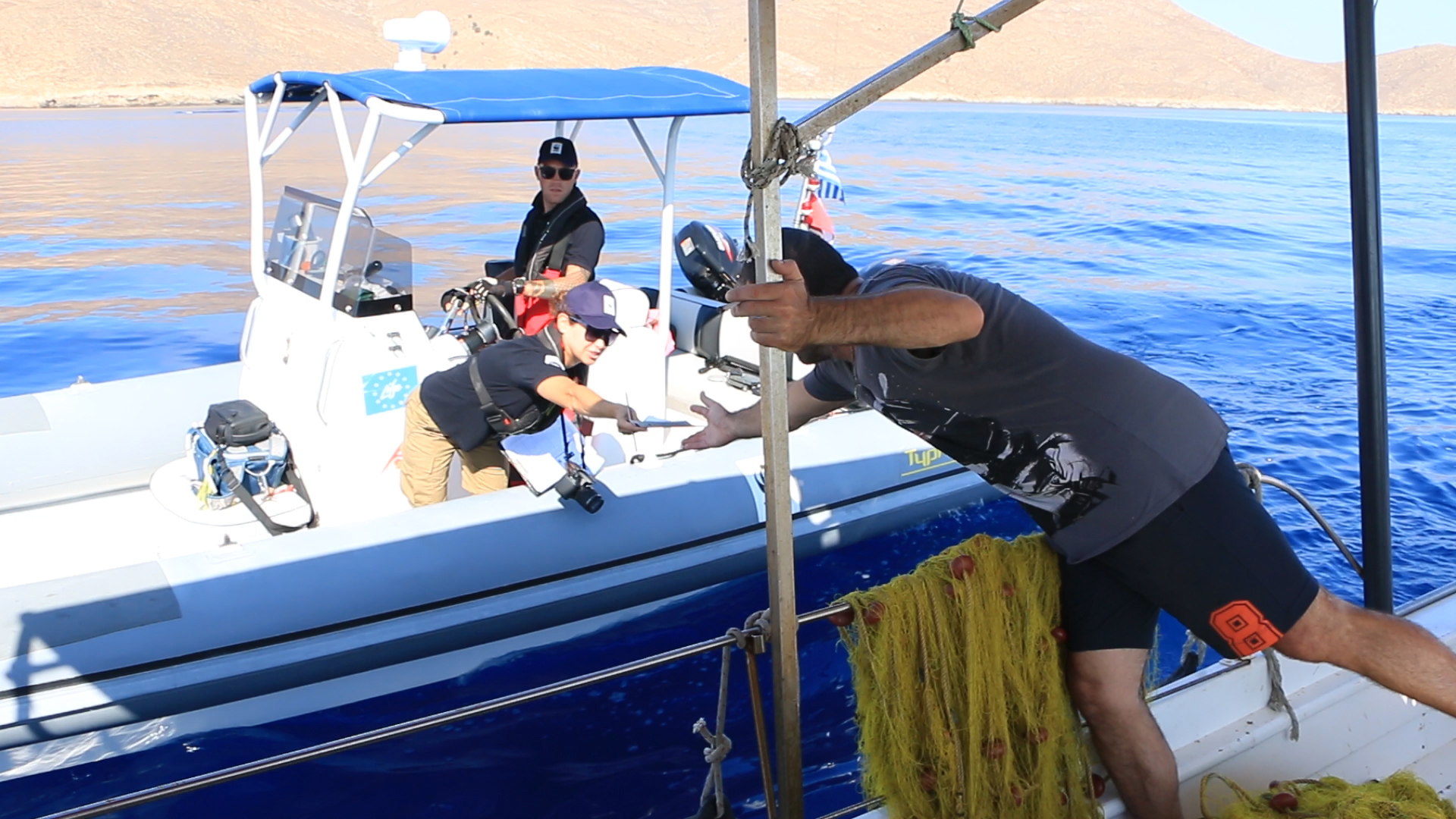
During their patrols, as part of the Operational Plan, the Field Team informed the crews of vessels passing through and anchored within the MPA, about the ecological importance of the area and the specific regulation and restrictions in force in the area, providing information leaflets and encouraging visitors to respect these rules during their stay. In total, 1,154 users of the area (visitors, researchers, fishermen, divers, etc.) were informed between 2015 and 2022.
Involvement of the relevant authorities
For a surveillance and guarding project to be effective – whether it involves a combination of new technologies and field patrols or relies on traditional patrolling methods – it is essential to involve all relevant authorities in the planning and implementation and to incorporate their specific characteristics and particularities. Only in this way can their genuine acceptance and active participation can be ensured, and consequently the long-term effectiveness and sustainability of such projects.
Lessons Learnt from the Programme’s Implementation
Beyond the many inherent particularities of the project as a whole, such as the innovative and complex nature of the Remote Surveillance System, the implementation of the project was further hampered by a number of external factors worth mentioning:
Significant dependence on institutional changes and administrative decisions
A fundamental full restructuring of the country’s governance system of the protected areas in 2020, with all that this entailed in terms of the response times of the relevant authorities.
Click to see how we dealt with it
The project’s Coordination Team has stepped up direct communication with all relevant bodies (Ministry of Maritime and Island Policy/Hellenic Coastguard, Ministry of Environment and Energy, NECCA) at all levels of hierarchy and administration, so as to gradually resolve each of the issues that arose, by formulating and proposing alternative solutions. The final solution formulated by the Coordination Team, whereby NECCA takes over the Remote Surveillance System and assumes responsibility for its operation, was accepted by all the relevant state bodies, ensuring the system’s continued operation and the sustainability of the active surveillance and effective guarding of the Gyaros MPA.
Click to see how we tackled this
Following intervention by the project’s Coordination Team with the South Aegean Regional Command of the Coast Guard, an order was issued for the neighboring Tinos Port Police Authority patrol vessel to assist, where possible, with the surveillance of the Gyaros MPA.
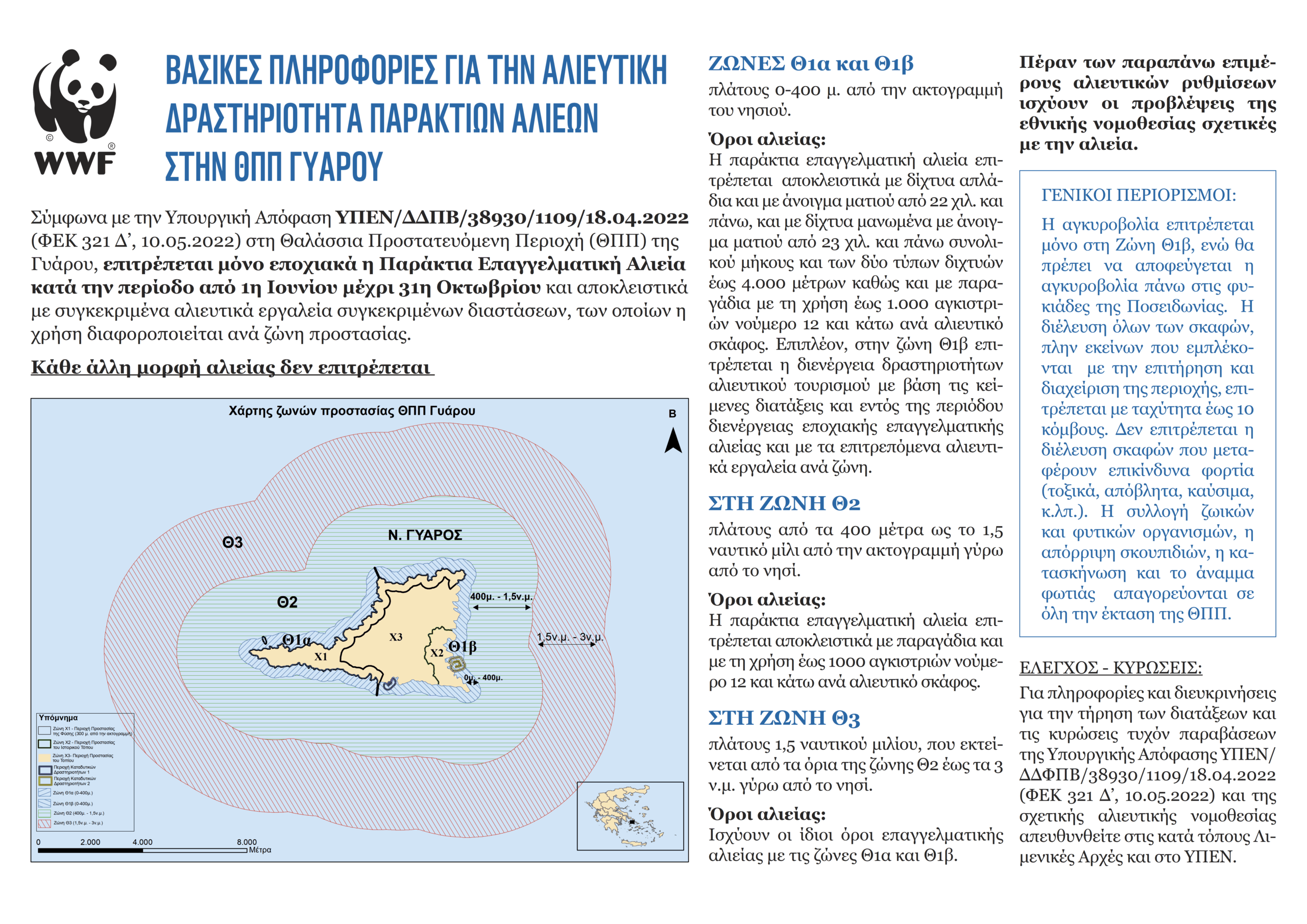
In May 2022, the Ministry of Environment and Energy issued a Ministerial Decision for the area, which permitted seasonal, five-month (June–October) coastal, small-scale, professional fishing within the Gyaros MPA whilst removing the requirement for special licences, the 48-hour limit on each fishing trip, and the obligation for every fisherman operating within the MPA to record and declare their catch.
Click to see how we tackled it
A fundamental full restructuring of the country’s governance system of the protected areas in 2020, with all that this entailed in terms of the response times of the relevant authorities.
Click to see how we tackled it
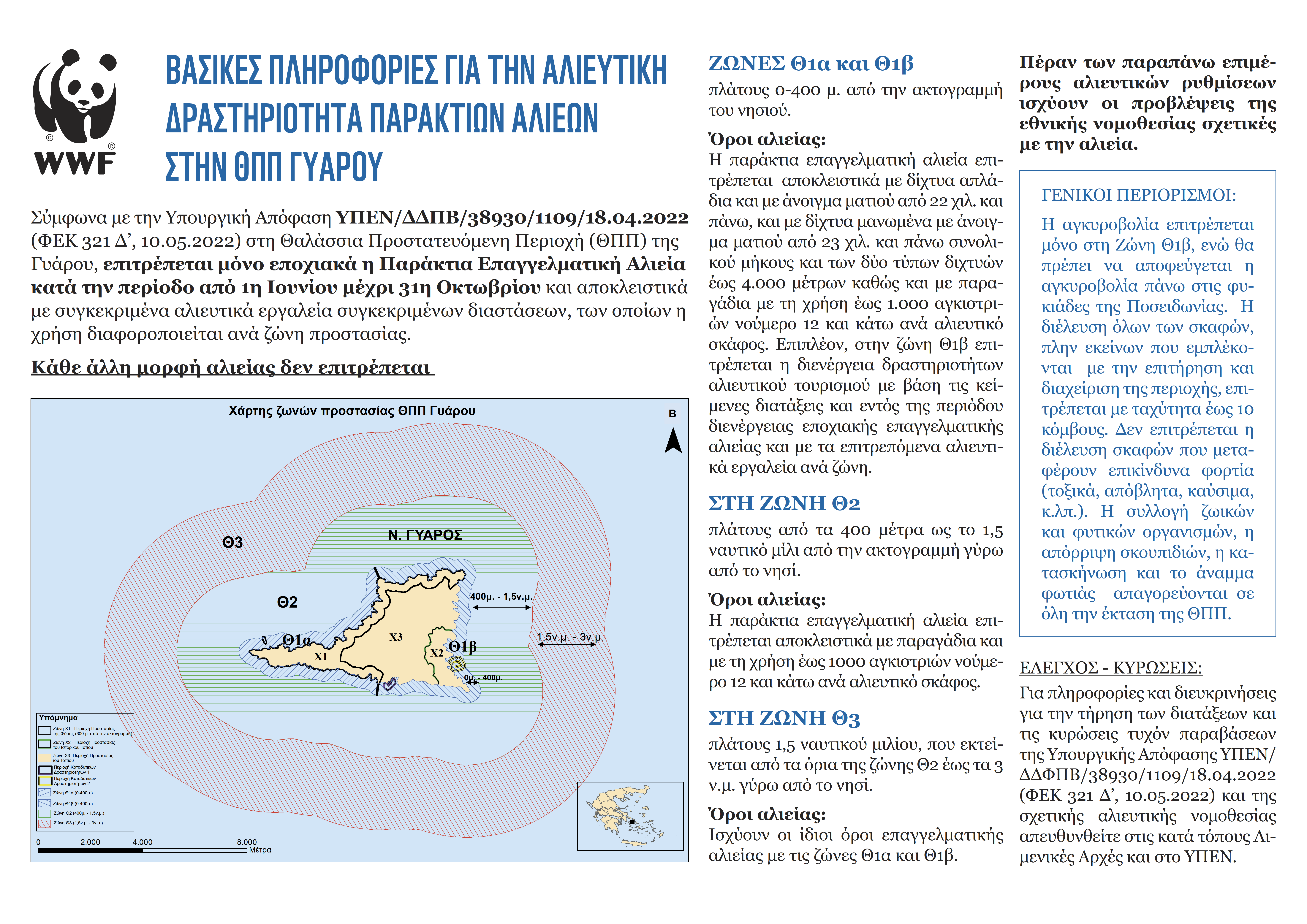
This change forced the programme’s coordination team to review, and to a large extent, the way the surveillance and guarding project operates and to draw up a new operational plan, suitably adapted to the new circumstances, in collaboration with the Syros Port Police Authority, in order to meet the requirements of the new institutional framework of the MPA. Specifically, it responded immediately by holding a series of briefing meetings with the relevant officials of the Syros Port Police Authority, during which a joint operational strategy for the surveillance, control and guarding of the Gyaros MPA was agreed. Subsequently, face-to-face and online meetings were organised with coastal professional fishermen of the Northern Cyclades, and in particular with the coastal fishermen’s associations of Syros, Andros and Kythnos, to inform them and ensure they fully understood the revised measures and conditions set out in the new Ministerial Decision in question. At the same time, a simplified leaflet was produced with the aim of helping both MPA’s users and officials from the local Port Police Authorities to understand the new regulations and restrictions on fishing within the MPA.
The Coordination Team faced several obstacles, given that a) the Remote Surveillance System, due to its unique innovative nature, was viewed by the relevant authorities with a degree of skepticism and considerable concern regarding the procedural and operational requirements that would arise from its implementation, and b) NECCA, being in the early stages of its operation and staffing, had, both centrally and locally, limited operational capacity to become actively involved and assume a substantive role in the operation of the System.
Click to see how we tackled this
The project Coordination Team remained steadfast in its original objective: to deliver and operationalise the Remote Surveillance System and to ensure that the Gyaros MPA continued to be guarded by the competent government authorities. With this priority objective and bearing in mind that one of the new responsibilities of the NECCA was to ensuring the monitoring and guarding of PAs/MPAs, it explored with its management whether it, together with the relevant Management Unit, would be willing to assume responsibility for taking delivery of and operating the System. This effort proved successful and, following the positive response from NECCA, the 2nd four-party Memorandum of Collaboration between the Ministry of Maritime and Island Policy/Hellenic CoastGuard- the Ministry of Environment and Energy (YPEN) – NECCCA – WWF Greece was drafted. It sets out the roles and responsibilities of each partner, and in particular those of NECCA, which undertakes to secure the necessary resources, as well as to ensure the operation of the system and the guarding of the Gyaros MPA, in cooperation with the Hellenic Coastguard. The procedure for the handover of the system from WWF Greece to NECCA is also fully clarified, and a clear timetable for the handover is set out.
Weather conditions
Restrictions due to COVID-19
Click to see how we dealt with it
During the COVID-19 travel restrictions, the Field Team managed to monitor the Gyaros MPA remotely, 24/7, working in shifts, and effectively replace its physical presence on site. Suspicious incidents identified by the Field Team were immediately reported to the Syros Port Police Authority for further investigation. At the same time, operational cooperation and coordination with the Port Police Authorities were stepped up, particularly with the Syros Port Police Authority and the South Aegean Regional Administration of the Hellenic Coastguard, which responded to surveillance requirements and carried out an increased number of patrols using its own vessels, thereby compensating for the operational limitations of the Field Team during this specific period.
Wear, tear and damage to technical equipment
Click to see how we dealt with it
The Field Team reacted immediately and, with the assistance of specialist technicians, sought to identify and assess the damage to the individual components of the equipment, repair the burnt parts and components, and restore the system to working order. The team carried out five missions to the mountaintop of Gyaros, where the relevant system equipment is located, to replace the damaged individual pieces of equipment, and had to replace six different spare parts and/or entire sections of the System. Once the equipment had been repaired, the necessary connections and software adjustments were carried out to restore the system to full operation. At the same time, the patrol schedule was adjusted, increasing – where weather conditions permitted – the number of patrols and the Team’s physical presence within the MPA. Furthermore, the signing of a maintenance contract with a specialist technical company for all equipment, providing for preventative, routine and emergency on-site inspections, ensures that any such problems in the future will be dealt with immediately.
A unique mission for the System’s maintenance
Proposals for the Future of Monitoring and Surveillance at the TPP
for a more effective Remote Surveillance System
Securing long-term funding is a strategy essential to the project’s long-term success. Stable funding ensures the projecr’s continuity, preventing interruptions due to a lack of resources, which could lead to increased infringements, environmental degradation of the MPA and a loss of credibility for the body responsible for managing the area.
Particular attention should be paid to the formulation and implementation of the Guarding Plans so that, on the one hand, they can bring about the desired effective compliance with the regulations and conservation measures of the MPA’s regulatory framework, but at the same time realistically take into account the specific characteristics of the area, as well as the operational capacity of the competent authorities for surveillance and guarding. Thus, the Guarding Plans should set out specific and realistic objectives and individual priorities, on the basis of which conservation measures will be implemented and fines imposed, so that they have a tangible effect and do not end up as theoretical and impracticable manuals.
Although a project to monitor the status of fish stocks in the Gyaros MPA has been in place since 2018, through research fishing carried out by HCMR, there is nevertheless no effective system for monitoring fishing activity in the area. Such a system would enable the implementation of active management measures and actions relating to both fishing activity and fish stock management.
This could be achieved through the further development and organisation of an effective system for monitoring and recording fishing activity in the region, and in particular the trends in fish stock levels, e.g. through the mandatory installation of AIS/VMS (Electronic Recording and Reporting Systems [ERS]) for those operating within the MPA.
The regular and systematic compilation and publication of reports on the results of the surveillance and guarding project, e.g. on an annual basis, by the Central Aegean Protected Areas Management Unit (C.A.P.A.M.U.) of NECCA would enhance accountability, enable the stakeholders and the local community to gain a full picture of the project’s progress and achievements, highlight the project’s successes, and ultimately facilitate its long-term sustainability.
Furthermore, the monitoring of the results of surveillance and guarding should be carried out on the basis of specific evaluation indicators, which can be used to improve effectiveness and, where necessary, to design new surveillance and guarding projects.
Deterioration, particularly of technological equipment, caused by damage resulting from the adverse weather conditions prevailing in the area, can reduce the effectiveness of remote surveillance. High-quality equipment that is not adequately maintained reduces surveillance capacity and undermines the effective detection of infringements. Furthermore, the equipment requires specialist knowledge for its correct use and maintenance, and staff must receive ongoing training on technological, legislative and other developments in the field of MPA surveillance.
Development of specific contingency plans to deal with critical situations and to manage periods of adverse conditions (e.g. equipment failures or staff shortages).
The integration of AI-based data analysis software to improve the detection of infringements could enhance the effectiveness of the Remote Surveillance System.
Overall Assessment & Evaluation
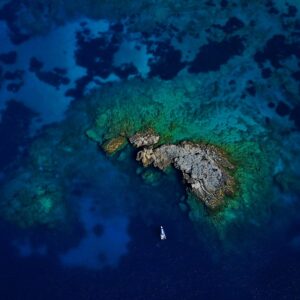
It has raised the interest of both local and national authorities in the existence of the Gyaros MPA and its conservation objectives, thereby strengthening their involvement in the integrated management of the area.
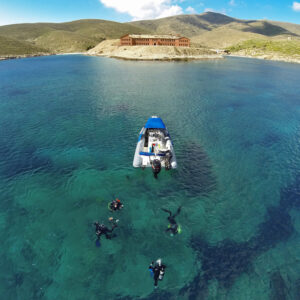
It helped mobilise NECCA to invest in and enhance staffing of the Central Aegean Protected Areas Management Unit, the Unit responsible for the Gyaros MPAS.
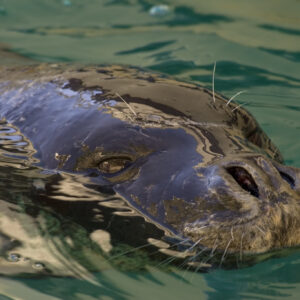
It raised awareness amongst key users (professional and recreational fishermen, tourism operators, etc.) and visitors to the wider marine area regarding the existence of the Gyaros MPA and the specific regulations governing it, thereby reinforcing and contributing to their implementation.
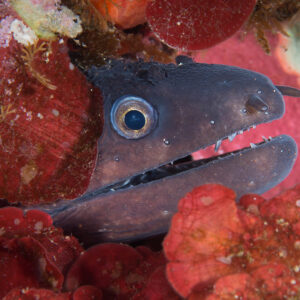
Most members of the fishing community now recognise the importance of conservation measures in the MPA from the perspective of increasing available fish stocks and, consequently, improving their livelihoods and quality of life.
It has become firmly established in the minds of key users that the Gyaros MPA is an area where human activities are monitored, conservation measures (including guarding) are actively enforced, and appropriate action is taken against offenders; and therefore the regulations are enforced in a fair and effective manner.
Overall assessment at a glance
WWF Greece recently, in collaboration with the consultancy company OIKOM Ltd, carried out an assessment of the impacts of the actions implemented during the period 2013–2024, with a focus on biodiversity, fish stocks, governance/conservation and consultation/environmental information and awareness-raising.
View the study here